The Story
Why it exists.
The beginning
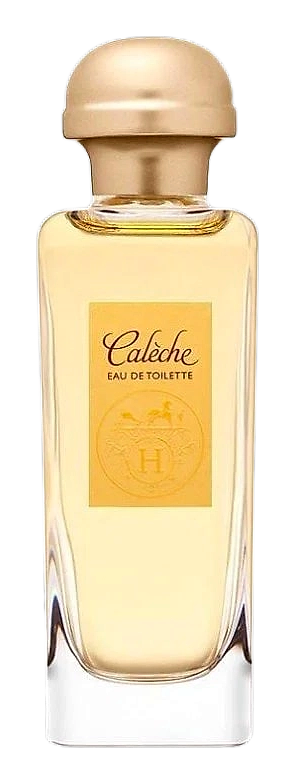
In 1961, Hermès had spent over a century building a reputation on leather and silk. Then came Calèche, the house's first fragrance designed specifically for women. The name references the calèche, the open-top horse-drawn carriage that once moved through the parks of Paris with quiet authority. It was perfumer Guy Robert's commission: create something that carries the same weight as the leather goods, without saying a word. What emerged was a floral aldehyde with the architecture of a chypre, structured, assured, and unlike anything the house had done before.
Aldehydes are what set Calèche apart from the beginning. They give the fragrance its luminous opening, the slightly soapy, effervescent quality that was considered supremely elegant in 1961 and has since become a hallmark of timeless perfumery. The floral heart is dense and powdery, layered in a way that rewards patience. What looks like a simple pyramid on paper is actually a careful negotiation between cool brightness and warm depth. The reformulation in 1992 shifted certain elements, as reformulations do, but the bones of the structure, aldehydes, gardenia, oakmoss, remain.
The evolution
The opening arrives with immediate presence. Aldehydes give a soapy, luminous lift, bright citrus and a waxy shimmer that signals something classic. It reads cool, almost aloof. Two minutes in, the florals begin their slow unfurling. Gardenia dominates, creamy and heady, followed by jasmine and ylang-ylang. The aldehydes don't disappear, they keep everything slightly elevated, preventing the florals from becoming too heavy. After twenty minutes, the heart has fully arrived. The lily of the valley and iris add a powdery, slightly green undertone that shifts the composition from garden to abstraction. By the hour, the drydown announces itself. Oakmoss, cedar, and vetiver create the classic chypre architecture, dry, green, and grounding. Then sandalwood, amber, and musk bring warmth back in, creating a lingering base that stays close to the skin for hours. This is the part people ask about. The drydown is where Calèche earns its reputation.
Cultural impact
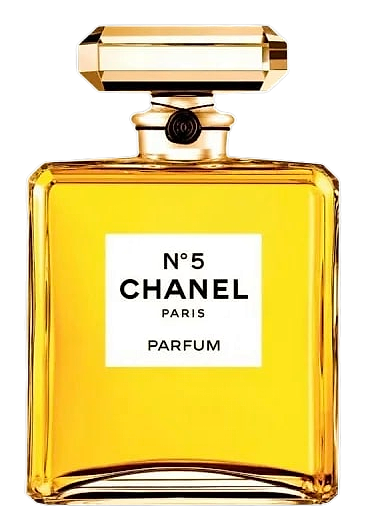
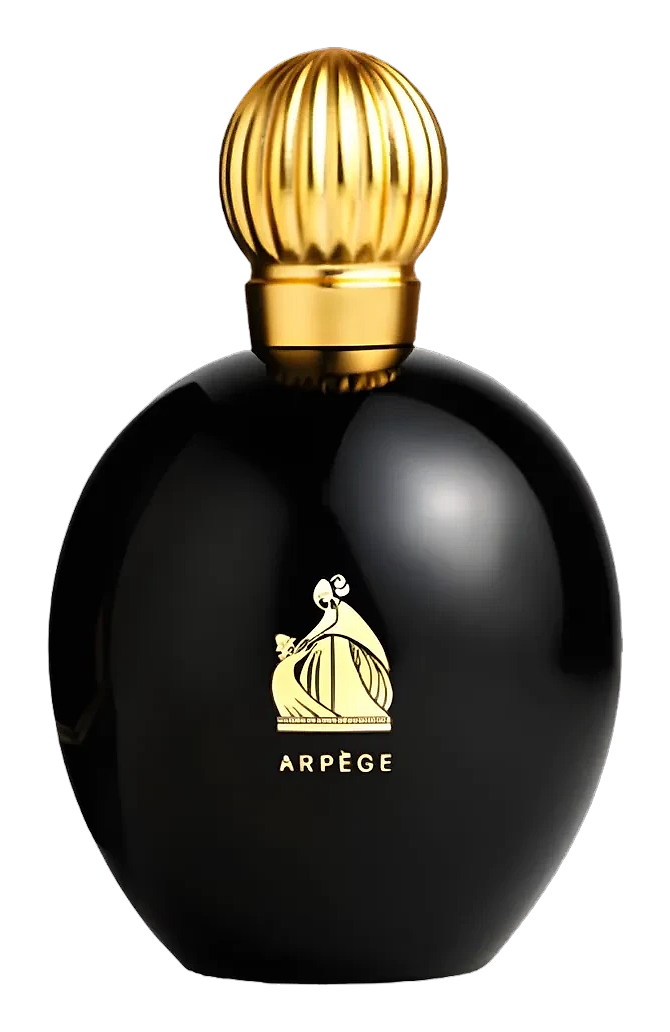
Calèche occupies a rare position: a 1961 aldehydic floral that has never gone out of production and has never needed reinvention. It belongs to the lineage of Chanel No. 5 and Arpège, a great floral aldehyde that holds its own against more famous peers. The fragrance has a devoted following among those who appreciate classic perfumery, particularly the powdery, chypre structure that modern formulations often strip away. It is not a statement fragrance. It is a reference point.