The Story
Why it exists.
The beginning
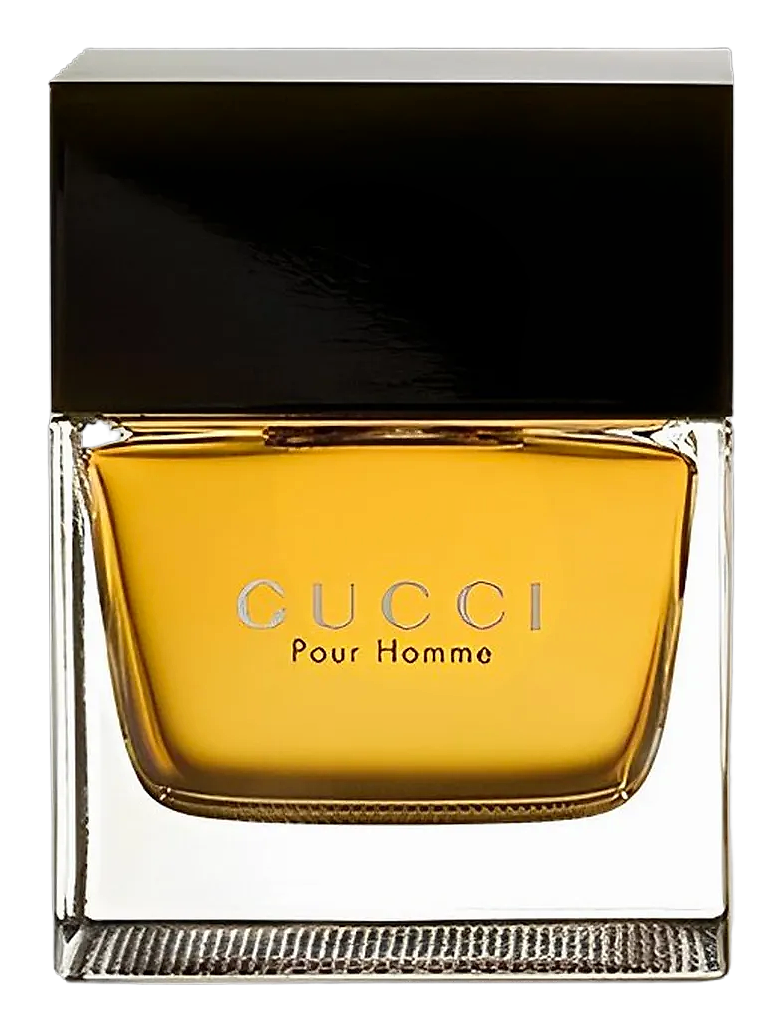
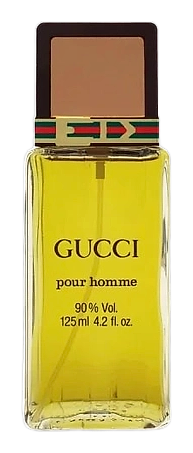
In 1976, Gucci commissioned French perfumer Guy Robert to extend the house's Florentine elegance beyond leather and silk into the realm of scent. Robert, working when masculine fragrances were beginning to explore complexity beyond simple fougère structures, approached the brief with an architect's precision. His aim was not merely to create a masculine fragrance but to craft something that embodied the Gucci ethos: bold yet refined, Italian in spirit, and timeless in execution. The resulting Eau de Toilette reflected Robert's mastery in balancing aromatic herbs against warm woods and resins.
Guy Robert structured Gucci Pour Homme as an exercise in balance between brightness and depth. The opening citrus and herbs establish immediate appeal, but the heart reveals where true complexity lies, with multiple floral, woody, and spicy elements in conversation. The drydown demonstrates how warm bases of oakmoss, labdanum, and amber can extend longevity without sacrificing elegance. Together, these layers create a fragrance that rewards patience, revealing different aspects as hours pass.
The evolution
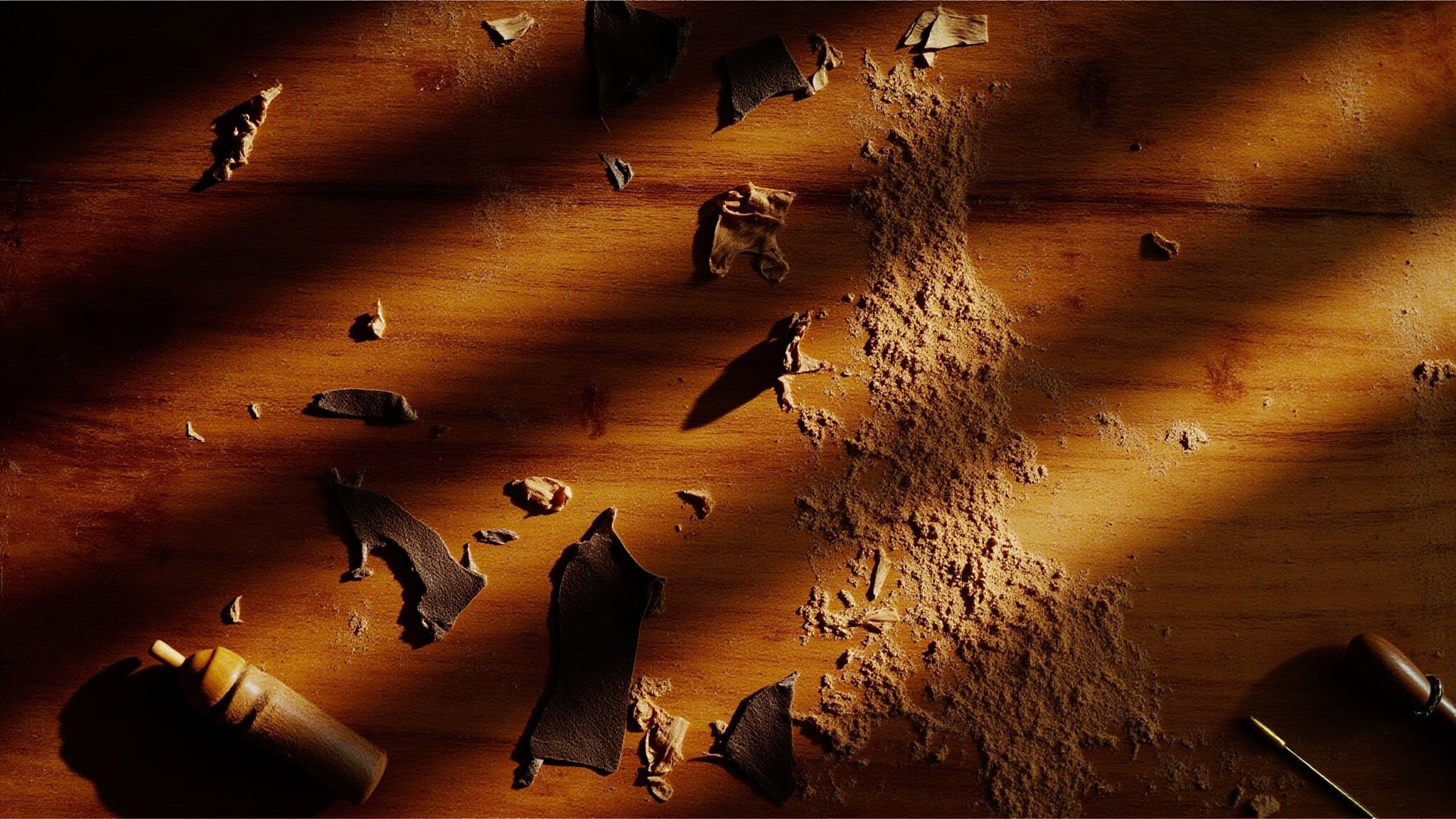
The fragrance opens with a crisp citrus procession from lemon and bergamot, immediately tempered by lavender and basil that introduce an herbal greenness characteristic of classic masculine perfumery. This initial phase announces itself with confidence before giving way to a remarkably layered heart. Sandalwood and cedarwood provide a warm wooden backbone while jasmine and geranium interweave floral nuance. Carnation, black pepper, and spicy notes bring unexpected warmth and complexity, with patchouli and iris deepening the composition into earthier territory. The drydown introduces oakmoss as the primary structural element, supported by labdanum's resinous warmth. Amber, vanilla, and tonka bean soften the final phase while leather and musk leave a lasting impression of quiet confidence.
Cultural impact
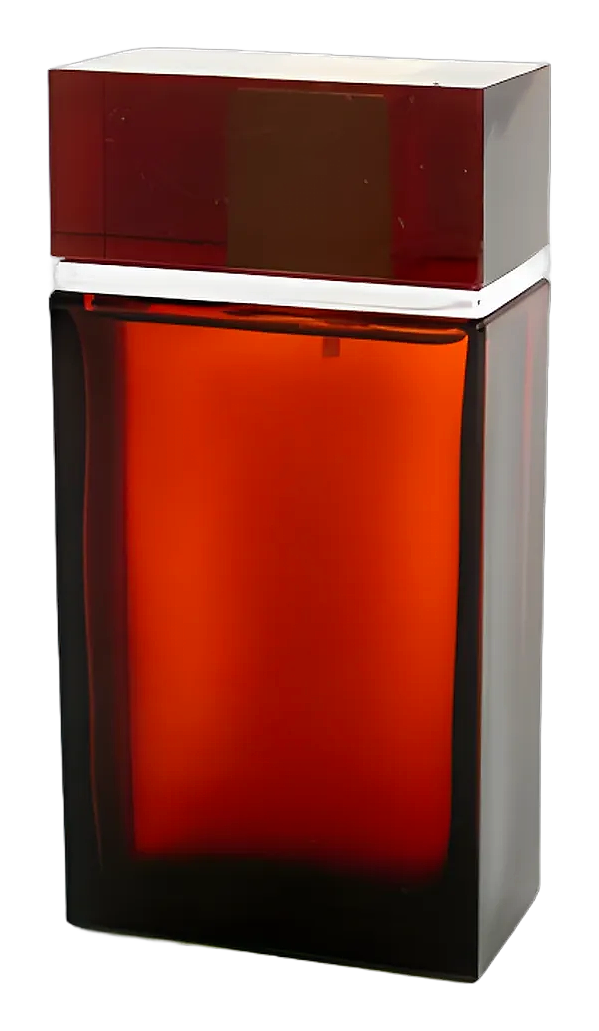
Gucci Pour Homme quickly became a reference point for 1970s masculine elegance, often cited alongside Dior Eau Forte and YSL M7 as the era’s archetype of fresh‑spicy woods. Decades later it resurfaces in vintage collections and niche‑focused retrospectives, admired by collectors who value its balanced citrus‑herb opening and enduring leather‑amber drydown. Its timeless profile keeps it a quiet favorite among those who appreciate heritage Italian style.