The Story
Why it exists.
The beginning
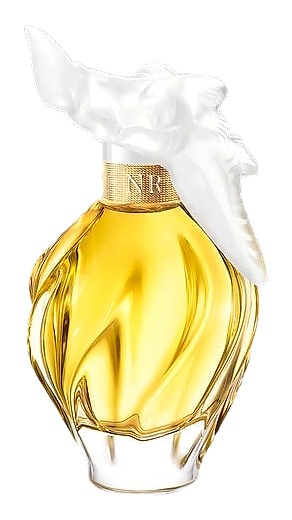
Francis Fabron composed L'Air du Temps in 1948, a year after the war ended and the world was learning to breathe again. The name itself, 'the air of the moment', captures something specific: the particular quality of air right after a long silence ends. Fresh, charged, uncertain of its own joy. Fabron built the composition around bergamot and neroli for that initial brightness, then layered in carnation and rose for warmth, anchoring everything to a mossy chypre base that would give the fragrance its staying power. The twin-dove bottle, designed by Marc Lalique, arrived at the same moment the fragrance did, both declared that beauty could be preserved, that tenderness had a future.
What makes this composition work is the way the top notes and the base notes operate almost independently at first. The bergamot-neroli-peach opening reads crisp, almost playful, while the moss and benzoin underneath suggest something older, more serious. As the fragrance develops, these two threads never fully merge, they coexist. The carnation introduces a spiced note that keeps the florals from becoming sweet, while the iris adds a powdery quality that deepens rather than softens. It's this internal tension that has kept L'Air du Temps feeling alive for over seventy years, never quite settling into nostalgic pastiche.
The evolution
L'Air du Temps opens bright and clean, bergamot straight from the Mediterranean, neroli picking up the orange blossom sweetness, and a whisper of Brazilian rosewood adding warmth underneath. The first twenty minutes feel almost youthful, surprisingly fresh for a 1948 composition. Then the heart arrives: carnation first, with its clove-like spice, followed by lily and iris making everything slightly powdery. May rose and ylang-ylang slide in to soften the edges, and for the next few hours the fragrance sits close to the skin, intimate and warm. The drydown is where it earns its reputation, moss and musk and ambergris settle into something that smells like skin warmed by afternoon light, lingering for hours on fabric and long after the wearer has forgotten they put it on.
Cultural impact
L'Air du Temps has remained in continuous production since 1948, becoming one of the defining fragrances of the post-war era. The twin-dove Lalique bottle has become as iconic as the scent itself, a piece of design history that has remained largely unchanged for over seventy years. Wearers describe it as the fragrance of someone who values timelessness over trend, someone who finds confidence in elegance rather than novelty. It sits comfortably alongside other enduring feminine chypres, though its powdery warmth and vintage structure make it feel distinctly its own.