The Story
Why it exists.
The beginning
Nina Ricci established her Paris house in 1932, building a reputation for romantic femininity expressed through couture. By 1948, in the hopeful aftermath of World War II, the house sought to capture a collective yearning for peace and beauty. Francis Fabron, tasked with translating this vision into fragrance, turned to luminous florals and warm resinous bases to evoke renewal and grace. Bergamot and neroli opened the composition with effortless freshness, while carnation and iris anchored the heart with timeless elegance. The result was a fragrance that felt both intimate and universal, a scent worn across generations without losing its relevance.
Fabron built the fragrance around the tension between freshness and warmth, using bergamot and neroli to open with immediate luminosity before surrendering to the deeper romance of carnation and ylang-ylang in the heart. The drydown reflects a philosophy of persistence through balance: benzoin and sandalwood provide longevity while moss and vetiver keep the composition anchored in something earthier and more complex than simple sweetness. This is not a fragrance designed to impress on first spray but to reward close acquaintance, its layers revealing themselves most fully to those who wear it with intention.
The evolution
The fragrance unfolds as a graceful arc from light to depth. Bergamot and neroli arrive first, crisp and inviting, their brightness softened by the gentle sweetness of peach and the warm grain of rosewood. Within the first quarter hour, carnation and iris emerge to lead the heart, their spiced-powdery character supported by lily, rose, orchid, and ylang-ylang in a sequence that feels orchestrated rather than accidental. As the hours pass, sandalwood and benzoin take hold, smoothing the transition from floral excess to resinous warmth. Moss, vetiver, and cedarwood ground the composition with natural earthiness while ambergris and musk ensure the drydown leaves a quiet, lasting impression on skin and memory alike.
Cultural impact
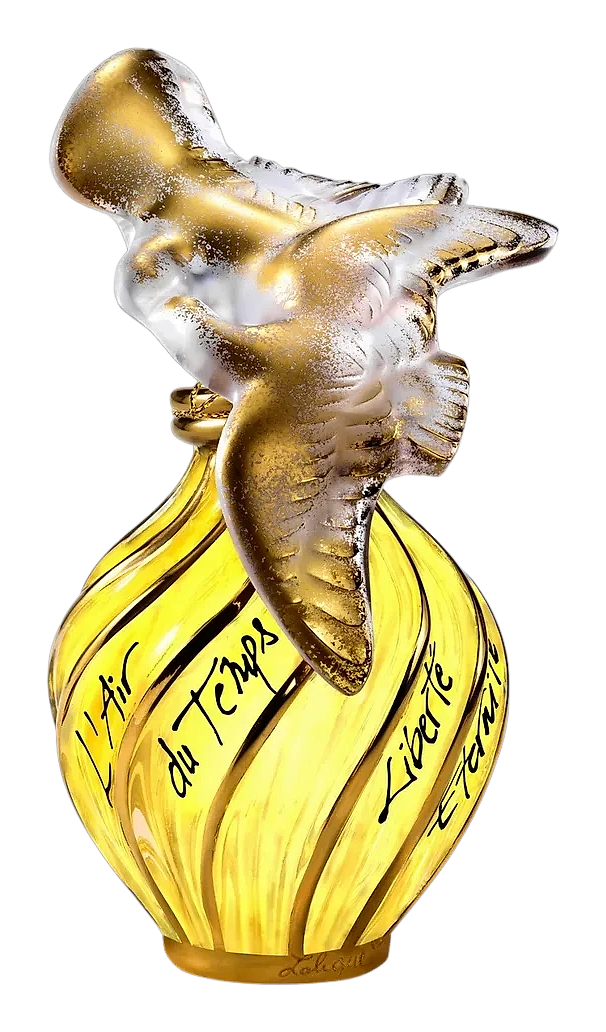
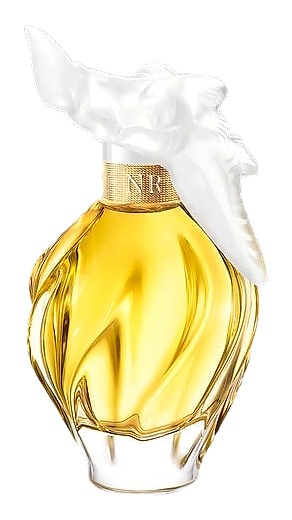
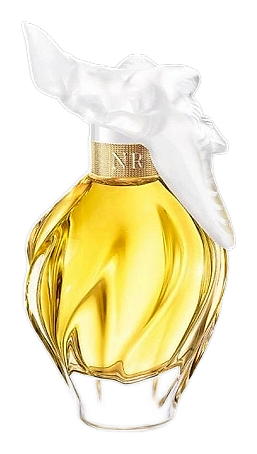
Since its 1948 debut, L'Air du Temps has become an emblem of post‑war optimism, its dove‑adorned bottle symbolising peace. The fragrance is frequently cited in vintage perfume retrospectives and remains a staple on collectors’ shelves. Its floral‑spicy blend set a template for many classic French eau de parfums that followed, cementing its place in fragrance history.