The Story
Why it exists.
The beginning
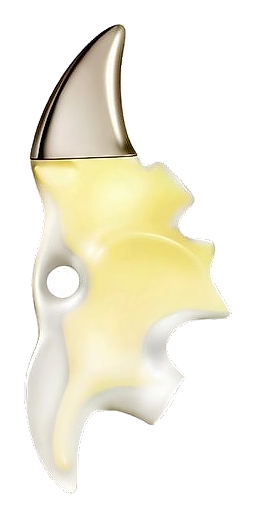
In 2010, Philippe Starck turned his attention to one of the most recognizable bottles in perfumery history. The original 1948 twin-dove flacon, designed by René Lalique and Robert Ricci, had stood largely unchanged for over six decades. Starck approached the iconic form with his own sensibility, presenting the doves as a unified sculptural element rather than two separate figures. The classic floral blend of jasmine, rose, and carnation remained part of the composition. This was fragrance as philosophy. Starck put it plainly: a fragrance is a matter of vibration, of getting the air to move in a way that suddenly moves us. The liquid carried the same character. The bottle was the argument.
The composition pulls off something increasingly rare: a powdery floral that doesn't apologize for being what it is. Carnation and cloves provide the spice. Jasmine and rose provide the heart. Then iris and oakmoss arrive to dust everything in that vintage warmth that newer fragrances often dodge entirely. The result is structured but never stiff, a fragrance that knows exactly what it wants to be and doesn't hedge about it. There's an old-world confidence here. The kind that doesn't need to announce itself.
The evolution
The opening hits warm and bright, bergamot and neroli, but the rose arrives fast, threading its powdery warmth through the citrus almost immediately. Carnation and Brazilian rosewood layer in a subtle spiced quality that elevates rather than dominates. Peach adds a brief sweetness, here and gone. Within the first hour, the florals deepen into jasmine and gardenia, with clove and ylang-ylang introducing a faint exoticism. Orris root grounds everything with an earthy, powdery depth. By the third hour, sandalwood and cedar take over, softened by iris powder and amber. Oakmoss lingers longest, that green, vintage note that announces this fragrance even on the subway. Musk holds the base close to skin for hours after the florals fade.
Cultural impact
L'Air du Temps has been a reference point for powdery florals since 1948, and the 2010 Starck edition brought new attention to a fragrance that younger wearers often discover through mothers or grandmothers. The oakmoss-forward drydown gives it a vintage character that newer compositions rarely attempt, part of its appeal and part of why it divides opinion. The bright floral opening gives way to a softly spiced heart, and the base settles into that distinctive mossy warmth that recalls an era when perfumers worked with richer, more complex materials. Each layer unfolds gradually, revealing new facets over hours on the skin.