The Story
Why it exists.
The beginning
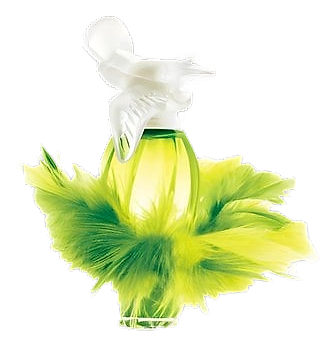
Francis Fabron created this edition in 2008 as a gift to the fragrance's own legacy, sixty years of L'Air du Temps, honored in a collector's bottle designed by Olivier Theyskès. The original 1948 composition had become shorthand for a certain kind of Parisian romance. Fabron understood that anniversary editions live or die on whether they actually have something to say. He reached for the original's structure, that bergamot-and-neroli opening, the jasmine-rose-gardenia heart, the cedar-musk base, and tightened the spice. Carnation appears in both top and heart here, amplifying the clove-like warmth that makes this edition read differently from the flankers. The bottle itself echoes the original Lalique twin-dove design, but wrapped in yellow-green glass with feathers and satin ribbon. Fabron was not trying to reinvent. He was trying to remind you why you fell in love in the first place.
Nine heart notes is ambitious for any perfumer to balance. Jasmine, gardenia, violet, ylang-ylang, iris root, orchid, rosemary, carnation, and cloves, Fabron threads them together with orris root as the structural backbone, its powdery iris quality holding the florals in place rather than letting them dissolve into a single blur. The rosemary is the quiet rebel here: herbal, slightly bitter, it prevents the heart from becoming purely decorative. The carnation appearing twice in the pyramid is the tell, it's not accidental duplication but a deliberate anchor point, keeping the spice present from opening through drydown. The composition rewards patience. Spray it and you get the expected floral elegance.
The evolution
The bergamot arrives clean and citrus-bright, but it does not linger. Within minutes the rosewood and neroli pull it toward something softer, and carnation enters, warm, almost medicinal, with that distinctive clove-like spice that sets this apart from a standard powdery floral. The peach is the gentlest element; it sits at the edges, adding sweetness without insistence. Then the heart opens: jasmine and gardenia dominant, but violet powder weaves through everything, and the cloves that sparked the top reappear here with more authority. The nine-heart-note structure could collapse into noise. Instead, the orris root and rosemary hold it together, a powdery-creamy-herbal tension that prevents pure sweetness. The drydown is where Fabron earns the anniversary title. Cedar and vetiver bring a dry, slightly animalic earthiness. Benzoin and musk wrap around sandalwood's warmth. Moss lingers. The carnation from the top has not fully disappeared, it reappears at the very end, faint and spicy, the last thing to leave the skin. Four to six hours, depending on your skin.
Cultural impact
The 60th anniversary edition of a fragrance that has outlasted most of the houses that launched it. L'Air du Temps has been reformulated, flanker-ed, and reimagined across decades, but the core identity, romantic, powdery, slightly spicy, has remained recognizable. The Couture Edition arrived in 2008 as a collector's piece, trading the original's austere white glass for yellow-green with feathers and ribbon. Wearers describe it as the fragrance a certain kind of woman returns to: not because it's trendy, but because it does exactly what she needs it to do, every time.