
The Story
Why it exists.
The beginning
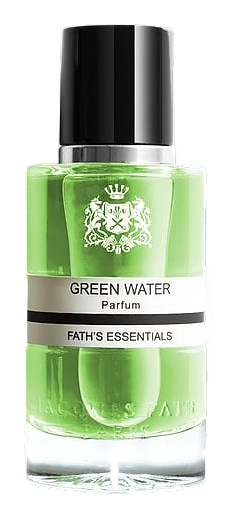
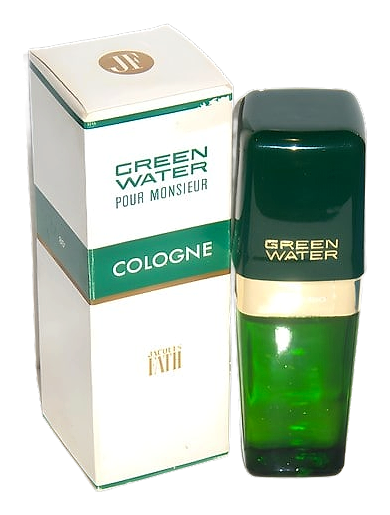
Green Water Pour Monsieur arrived in 1947, when Vincent Roubert was shaping what modern masculine fragrance could be. Jacques Fath, the Parisian couturier, wanted a scent that was not loud. Not aggressive. Something that announced itself the way a well-tailored jacket does: through quality, not volume. The result was fresh, green, and quietly confident, a fragrance that felt as carefully constructed as the clothes Fath designed. Roubert delivered.
The composition leans on a citrus-herbal axis. Green Water builds upward, from a bright, almost effervescent top into a heart of clary sage and lavender that feels green in the truest sense. The tonka bean and musk in the base do not dominate. They linger, soft and warm, like the memory of something pleasant rather than the thing itself. It is restrained in a way that takes confidence. The citrus lifts the herbal heart, while the drydown offers a subtle warmth that extends the scent throughout wear.
The evolution
The opening hits bright and immediate, petitgrain and lemon zinging against the skin, with peppermint adding a cool, almost bracing edge. The citrus softens as the herbal heart takes over: clary sage and basil mingling with lavender, the rose sneaking in quietly to keep things from going too austere. This is the fragrance's longest phase, a cool, green quiet that holds its character for hours. The drydown is where patience pays off. The musk and tonka bean emerge slowly, adding a warmth that contradicts everything you expected from the beginning. The interplay between the cool opening and the warm drydown creates a pleasing tension throughout wear. You are left with something close to the skin. Soft. Familiar. The kind of smell that makes someone lean in without knowing why.
Cultural impact
Green Water Pour Monsieur emphasizes green, herbal accords that create a distinctive masculine character. The fragrance offers a fresh approach within the citrus-aromatic family, combining classic structure with unexpected notes. Its balance of brightness and warmth demonstrates a sophisticated understanding of scent composition. For those who appreciate the genre, it remains a noteworthy example of how restraint and confidence can create something memorable.
The House
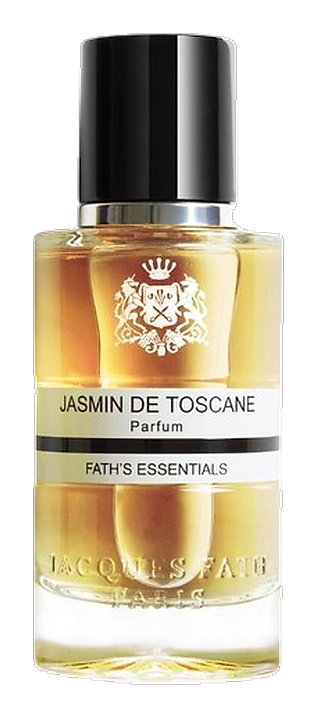
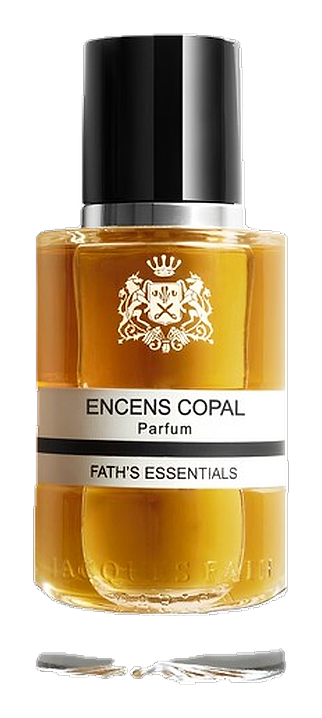
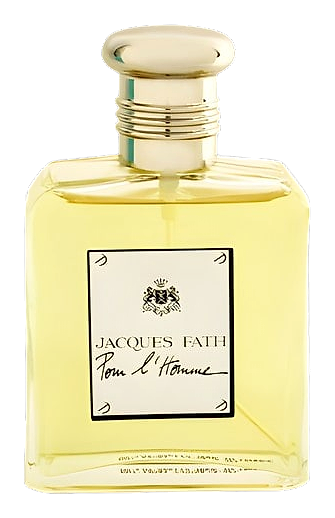
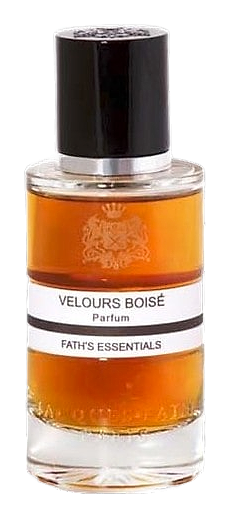
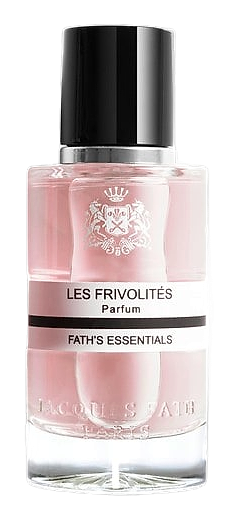
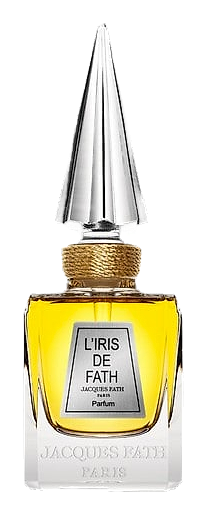
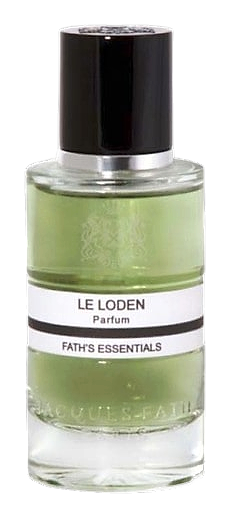
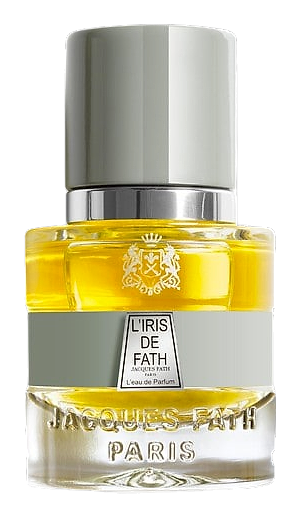
Jacques FathJacques Fath Parfums translates the Parisian couturier’s flair for drama into a line of fragrances that balance classic structure with a mischievous twist. Since the first scent in 1946, the house has offered a mix of floral, woody and aromatic compositions that echo the designer’s runway spirit. Each bottle arrives wrapped in hand‑stitched paper and sealed with wax, a tactile reminder that the brand treats scent as a wearable accessory rather than a mere commodity.
The Creator
Vincent RoubertRoubert's signature technique involved positioning two materials in conversation, letting their contrast create something greater than either could achieve alone. His use of iris was particularly striking.