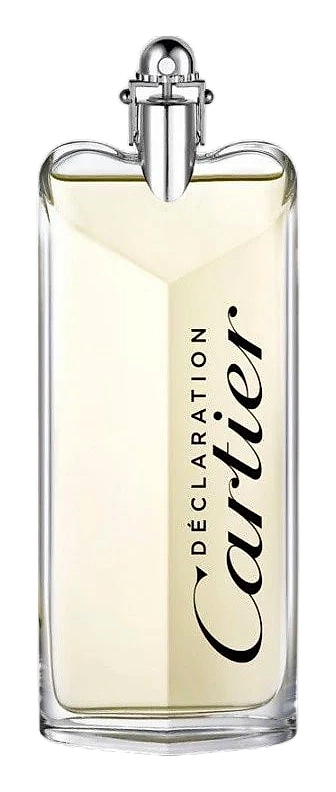

The Story
Why it exists.
The beginning
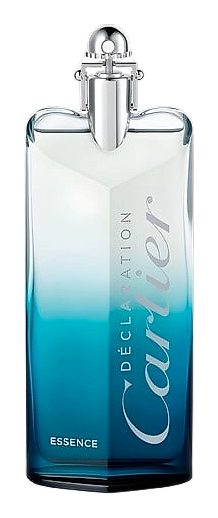
Déclaration arrived in 1998, and the name was the first provocation. Jean-Claude Ellena had joined Cartier the year before, bringing with him a philosophy that would reshape what refined masculine fragrance could mean. The masculine market of the late 1990s was loud, aquatics, ozonic synthetics, projection as a virtue. Ellena wanted to make something that spoke, not shouted. Déclaration was his answer: a fragrance that announces nothing, reveals everything. The name itself carried irony. A declaration made in whispers.
The structure hinges on an unlikely pairing: cardamom and birch wood. Cardamom brings warmth, resinous spice, the smell of something ancient and global. Birch contributes a sharp, camphorated edge, green, metallic, almost medicinal. The tension between them is the entire proposition. Too much birch and the composition turns harsh. Too much cardamom and it tips into curry powder. Ellena threads between the extremes with characteristic precision, using just enough of each to make the combination unforgettable. This is not a safe fragrance. It is a committed one.
The evolution
The opening hits with citrus brightness and birch's metallic edge, a cool, almost mentholated sharpness that arrives and retreats within minutes. The heart is where cardamom takes command, and Ellena's handling of it here is genuinely impressive. Not the curry-powder warmth of many cardamom fragrances, but something greener, more camphorated, with artemisia amplifying the effect. Cedar arrives in the heart too, its pencil-shaving dryness balancing the cardamom's spice. The drydown strips everything back to cedar and vetiver, earthy, smoky, intimate. On most skin, this lingers for 6-8 hours. The projection never fills a room. That's not a flaw. That's the point.
Cultural impact
By 1998, masculine fragrance was saturated with loud aquatics and synthetic projections. Déclaration answered with restraint, Ellena's philosophy of less-is-more before it became a movement. It didn't try to fill a room. It didn't need to. The fragrance became a quiet reference point for anyone who wanted to smell like they understood something, not like they were trying to prove it.
The House
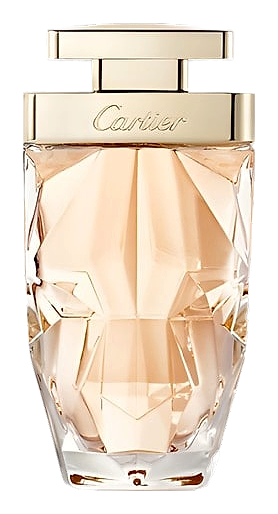
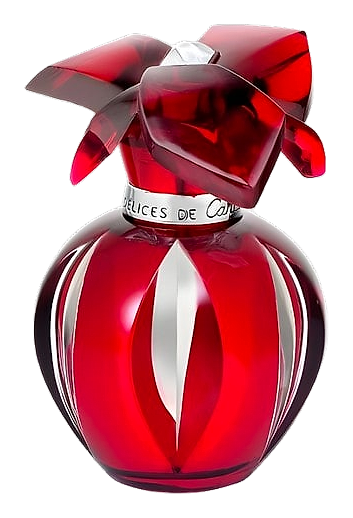
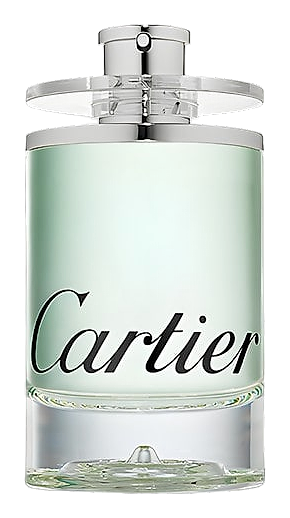
CartierFrom a small Parisian workshop in 1847 to one of the most celebrated fragrance houses in the world, Cartier has spent over 175 years translating the language of precious gems into something you can wear against your skin. Every Cartier fragrance is conceived as invisible jewellery, an intimate ornament that speaks to the same desire for beauty and craftsmanship that has drawn royalty and connoisseurs to the Maison for generations. The panther prowls through its scent wardrobe, diamonds catch light in crystalline bottles, and rare ingredients arrive from distant corners of the globe. This is luxury in its most wearable form.
The Creator
Jean-Claude EllenaCritics compare Ellena's work to watercolor sketches and chamber music, precise and economical where others are bold and orchestral. He avoids repetition and heavy concentration, instead building compositions that breathe.