The Story
Why it exists.
The beginning
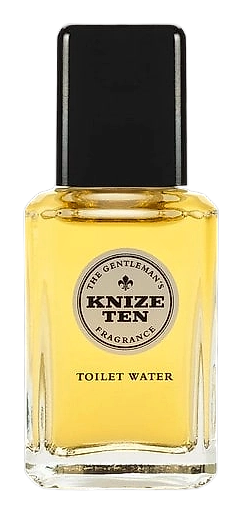
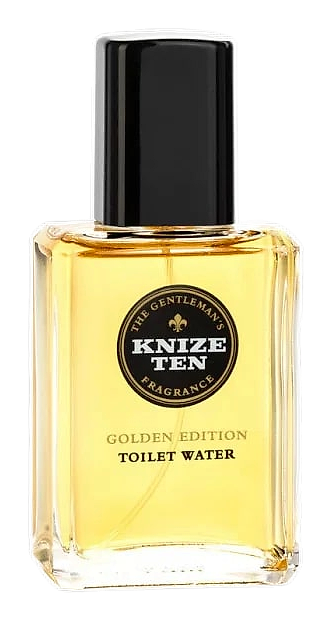
Vincent Roubert composed Knize Ten Golden Edition, building on the leather-spicy architecture that had already made the house's signature composition a reference point for anyone interested in classic masculine perfumery. The Golden Edition takes the original's vocabulary and renders it in a different register. Same leather. Same iris-hazed warmth. But where the classic murmurs, the Golden Edition speaks with more presence in the room. The composition draws from the same well as the classic: petitgrain and rosemary up top, carnation and cedar in the middle, leather and castoreum anchoring the base. The Golden Edition doesn't abandon any of these materials. It layers them more densely, builds the chords thicker, lets each note carry more weight in the accord.
The leather here isn't a single note doing costume work. It's constructed from multiple materials acting in concert: castoreum for the animal warmth, moss for the forest-floor depth, ambergris for that saline, skin-like undertone. Add iris to the heart and you get something unusual. A leather that feels soft-edged, almost powdery in its dustiness, like suede rather than polished hide. Then the carnation arrives. Spicy, clove-edged, slightly medicinal.
The evolution
The opening is the loudest stretch. Petitgrain and bergamot arrive sharp and herbal, rosemary threading through like pine needles crushed underfoot. Almost bracing. Then the iris and carnation step forward and the composition darkens. Not smoky exactly, but dusky. The leather note begins to assert itself, and it doesn't negotiate. As the drydown settles, castoreum gives it warmth. Moss gives it depth. Vanilla softens the edges without sweetening them. The leather is still there, still central, but it has relaxed into something wearable rather than declarative. What's left late in the wear is a close-to-skin trace of ambergris, moss, and warm suede, the kind of scent that lingers on a jacket collar and gets noticed by someone leaning in. The transition from opening to drydown in the Golden Edition is less a linear progression and more a gradual shedding of layers.
Cultural impact
Knize Ten Golden Edition sits among compositions that have earned their reputation through longevity rather than viral momentum. In a fragrance landscape crowded with leather releases, it has maintained its position through sheer consistency of vision. The fragrance doesn't chase trends or pivot toward current market preferences. It delivers the same leather-spicy architecture it always has, and that consistency is precisely what gives it cultural weight. The Golden Edition's reputation rests on a specific kind of wearer appeal.
The House
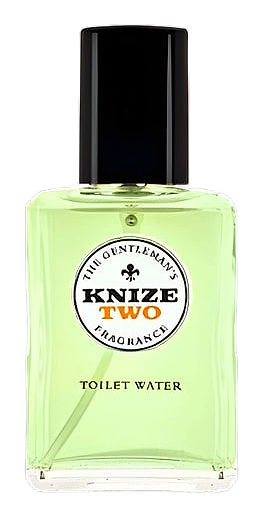
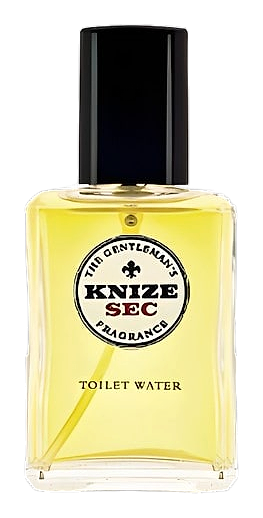
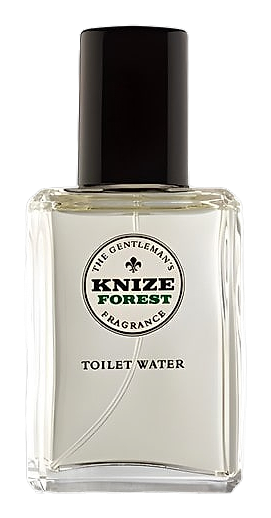
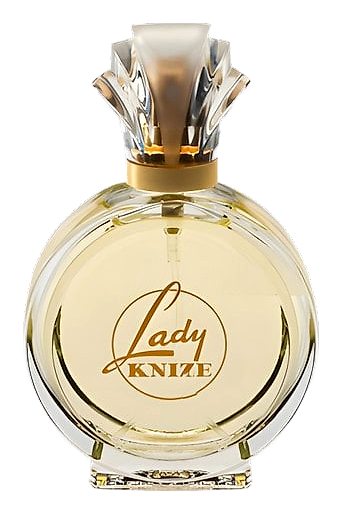
KnizeKnize is a historic Viennese fragrance house established in 1858 by tailor Joseph Knize, who crafted garments for the Austro-Hungarian imperial court. The house holds a singular distinction in perfumery history: Knize Ten, introduced in the 1920s, is widely recognized as the first fragrance developed specifically for men. This pioneering leather composition has endured with remarkable fidelity to its original formula across more than a century, earning recognition among collectors as one of the defining leather scents in fragrance history. Beyond its seminal men's offering, the house has produced variations including Knize Polo Ten (1932), Knize Two (1978), Knize Sec (1985), and Knize Forest (1993), alongside the feminine counterpart Lady Knize. Knize occupies a distinctive position as both a heritage tailoring institution and a fragrance house, with origins rooted in imperial Vienna that continue to inform its understated aesthetic.
The Creator
Vincent RoubertRoubert's signature technique involved positioning two materials in conversation, letting their contrast create something greater than either could achieve alone. His use of iris was particularly striking.