
The Story
Why it exists.
The beginning
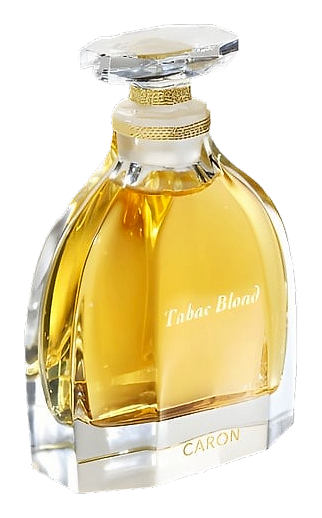
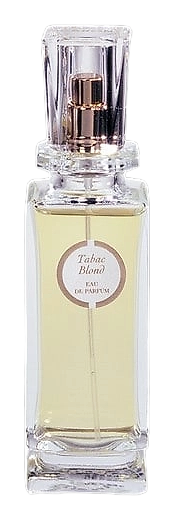
Tabac Blond was built as a scent for women who understood that wearing leather, a material coded masculine, was its own quiet revolution. The name itself is provocation: Tabac Blond, the blonde tobacco leaf, the smoke she exhaled. Not a fragrance that asked permission to exist. It arrived unapologetically bold, daring anyone who encountered it to look away. The leather note anchors the composition in something raw and tactile, while the tobacco reference brings warmth and a hint of smoky sweetness. Together they create an olfactory statement that refuses to soften or apologize for itself. This is perfume as declaration, a scent that announces its presence without asking for approval.
The leather-floral contrast is the point. Carnation brings its clove-adjacent spice, warm and assertive, meeting iris with its powdery elegance and delicate floral character. Ylang-ylang adds tropical warmth to the heart, a buttery richness that softens the sharper edges. Vetiver brings its earthy depth, a green and slightly smoky quality that grounds the composition. Then vanilla and musk settle in, creating warmth that lingers close to the skin. The composition refuses to choose sides. That's what makes it hold.
The evolution
The opening hits first, leather assertive and present, with carnation's spice cutting through the initial impression. As the fragrance develops, the florals begin their emergence: iris bringing its powdery elegance forward, ylang-ylang offering tropical sweetness beneath. The drydown is where Tabac Blond lives. Vanilla and musk settle warm against cedar and patchouli, the leather finally softened, the carnation fading into memory. What remains is skin-close and intimate, a presence that stays near without overwhelming a room. The transition from bold opening to warm drydown creates a narrative arc that rewards patience, each stage revealing new facets while maintaining the leather-floral tension that defines the scent.
Cultural impact
Tabac Blond arrived in 1919 as a statement. It wasn't just a fragrance, it was a declaration. The leather-floral combination was radical for its time, challenging what a women's perfume could be. The boldness of the leather note paired with delicate florals created something that didn't fit neatly into existing categories. It's for those who appreciate history, complexity, and a fragrance that refuses to be safe. The scent speaks to wearers who want something that carries weight and intention, a perfume that operates on its own terms rather than trying to please everyone.