Ernest Daltroff
Ernest Daltroff arrived in Paris with the world in his suitcase. Born in Moscow in 1867 to an Alsatian Jewish family, he spent his formative years traveling through South and Central America before settling in France. The story goes that watching his mother apply her favorite fragrance one morning sparked an obsession that would reshape French perfumery. He founded Parfums Caron in 1904, partnering with the formidable Félicie Wanpouille, who designed the house's iconic bottles while Daltroff poured his sensibility into every formula. His fragrances carried an opulence that audiences found startling, even provocative. When the Nazi regime tightened its grip, Daltroff, as a Jew, faced an impossible choice. He fled to America in the late 1930s, leaving behind the house he had built over three decades. He died in 1941, but his vision endured. The house of Caron remains one of the most revered in French perfumery, a testament to a man who believed scent could be architecture, emotion, and revolution all at once.
The hits
Notable creations
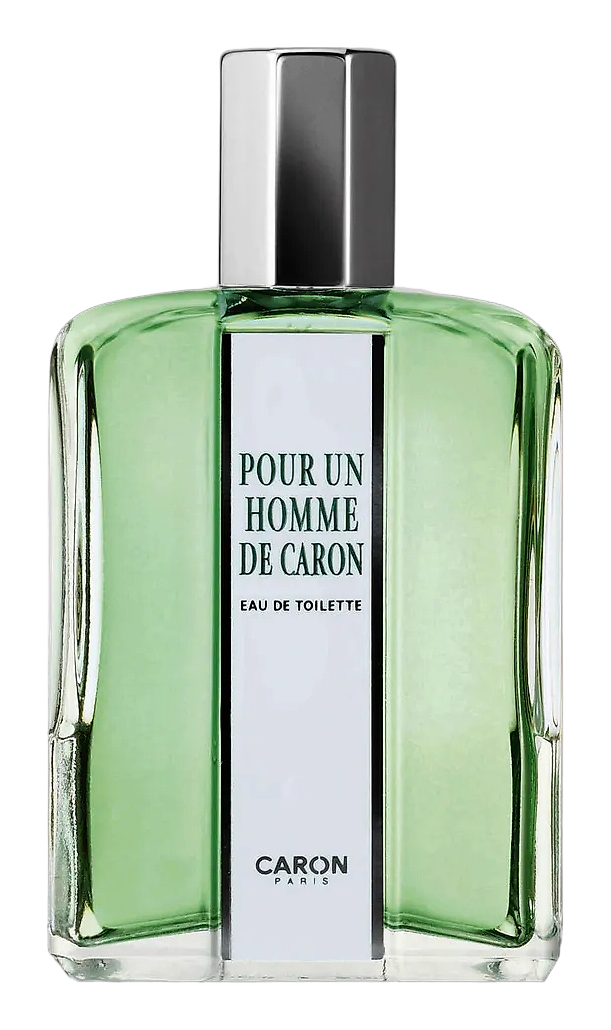



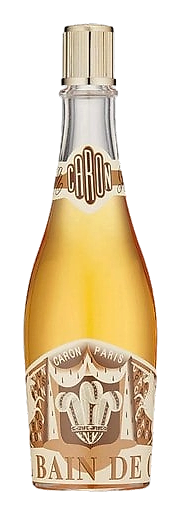




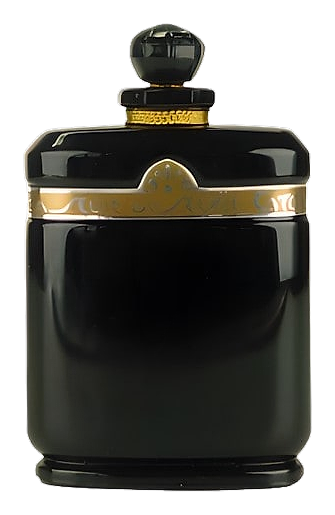
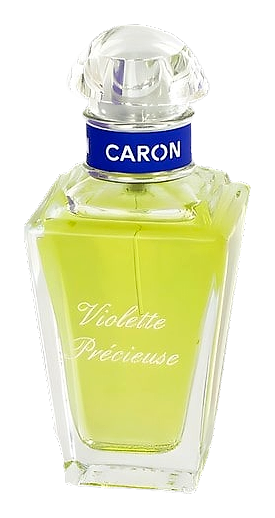
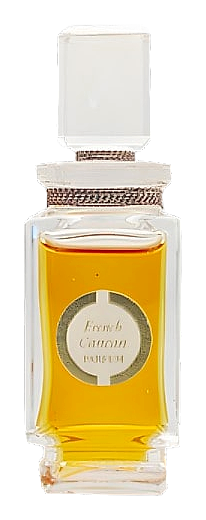
The signature
How Ernest composes
His signatures leaned toward bold contrasts and unexpected alliances. Daltroff combined luxurious naturals with a theatrical sensibility, creating fragrances that felt cinematic in scope. He favored deep, rich bases anchored by musks and animalics, layered with floral hearts that could swing from tender to overwhelming. His work for Caron showed a particular affinity for contrast: light against shadow, sweetness against darkness, the intimate against the operatic. Each creation felt like an event rather than a product.
Philosophy
What drives Ernest
Daltroff worked from instinct rather than formula. He rejected the notion that perfumery should be polite or restrained. His approach was emotional first, technical second: he began with a feeling he wanted to evoke and pursued materials until they surrendered to that intention. He believed a fragrance should arrest you, should make you feel something immediate and undeniable. The extravagance critics sometimes cited was not excess but conviction. Daltroff built for impact, for memory, for the kind of scent that becomes inseparable from the person wearing it.
The houses
Maisons Ernest composes for
In the same league