William Fraysse
William Fraysse now holds the creative mantle at Caron, the historic French fragrance house where his father Richard Fraysse served as in-house perfumer from 1998 until his retirement. The succession carries rare weight in an industry where dynasties are uncommon. The Fraysse name in perfumery stretches back nearly a century to André Fraysse, who co-created Lanvin's legendary Arpège in 1927 alongside Paul Vacher. William grew up inside this family of noses, absorbing the trade through osmosis and direct mentorship rather than formal schooling. He learned the mechanics of dilution and fixation at his father's worktable before ever formally studying perfumery. When Richard stepped down, the house didn't look outward. They looked to the next generation of their own. William's appointment in 2024 marked not just a career milestone but the continuation of a multigenerational conversation between past and present. He now carries the responsibility of stewarding Caron's iconic catalogue, including Tabac Blond and Fleurs de Printemps, into new chapters.
The hits
Notable creations


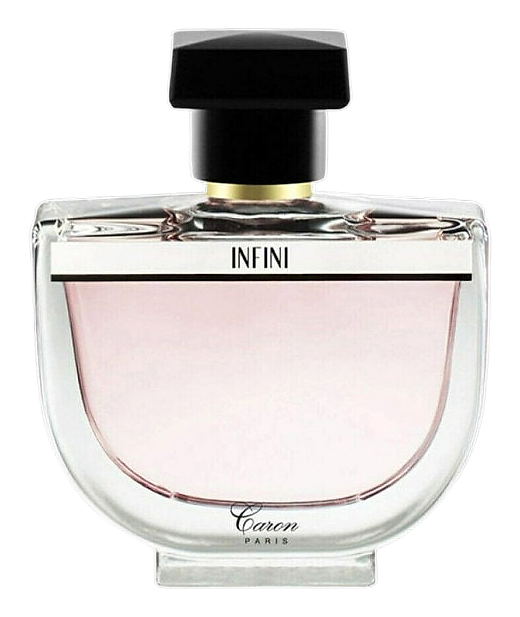
The signature
How William composes
William's stylistic tendencies remain somewhat private, as he hasn't yet released standalone creations under his name. What he has inherited is Caron's signature language: bold floral bouquets anchored in rich animalics, tobacco-forward orientals, and powdery aldehydic constructions that defined mid-century French elegance. His training under Richard gave him fluency in these traditional forms, particularly the heavy waxy bases and deep musks that distinguish Caron from lighter contemporaries. He appears drawn to rose and iris in various forms, ingredients that run through the house's history. His emerging style likely balances these classical materials with a modern restraint, reflecting both his youth and his reverence for what came before him.
Philosophy
What drives William
William approaches perfumery as both inheritance and conversation. He doesn't view his father's legacy as something to defend or distance himself from, but rather as a foundation to build upon. His philosophy centers on restraint and intentionality: he resists the pull toward novelty for its own sake, favoring compositions that feel inevitable rather than fashionable. He has spoken about the importance of understanding why classic formulations work before attempting to evolve them. This measured approach suggests someone who sees himself as a custodian first, innovator second, which at a house like Caron makes perfect sense. He brings respect for structure and an appreciation for the slow craft of fine fragrance, qualities he absorbed through years of watching his father work.
The houses
Maisons William composes for
In the same league