
The Story
Why it exists.
The beginning
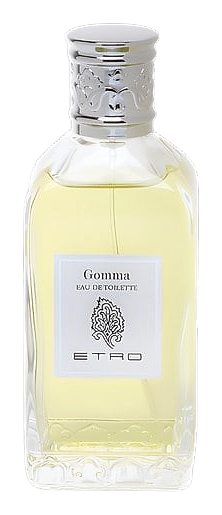
Gomma arrived in 1989, designed by Edouard Fléchier for Etro, the Italian house that had spent two decades translating bold paisley prints and textile experimentation into wearable art. The name itself is the first signal: gomma means rubber in Italian, an industrial material, utilitarian and unapologetic. But Etro has never been interested in playing it straight. The house takes utilitarian codes and turns them into something unexpected, something that rewards attention. Gomma was one of the earliest Etro fragrances, part of the brand's early expansion into scent as an extension of its maximalist visual identity. Fléchier built the composition around a tension that the house still returns to, something raw held against something refined, leather against jasmine, bitterness against warmth.
What makes Gomma structurally unusual is the jasmine placement. In 1989, jasmine in a leather composition was rare, jasmine leaned feminine, leather leaned masculine, and the two rarely shared a fragrance without one dominating the other. Fléchier didn't fight that tension. He used it. The jasmine doesn't bloom so much as wilt, softened by artemisia's bitterness and held in check by leather's smokiness. Meanwhile, the amber base keeps everything warm without going heavy, a balance that sounds simple but requires real restraint. The result is a fragrance that sits in a gender-ambiguous register without trying to, simply because the notes refused to resolve in any expected direction.
The evolution
The first minutes belong to artemisia. Bitter, green, almost medicinal, the wormwood note announces itself with the clarity of a pharmacist's drawer. Lemon arrives bright but doesn't linger, citrus dissolving within minutes as the composition pivots. The leather arrives at minute five, and it doesn't introduce itself gently. It's the leather of smoked birch, of something tarry underneath the softness. The jasmine enters but stays wilted, not quite fresh, its white floral sweetness flattened by the clove and the smoke threading through the heart. Ylang-ylang adds a faint creaminess that almost gets lost. By the second hour, the leather has softened. Birch's smoky tar recedes, amber begins to glow underneath, and patchouli's earthiness anchors everything that came before. Cedar and sandalwood arrive late, adding a woodiness that tempers the spice. Vetiver keeps the drydown honest, a final bitter note that prevents the base from going entirely warm. On fabric, Gomma lasts overnight. On skin, expect eight to ten hours with moderate sillage, present but never shouting.
Cultural impact
Gomma occupies an unusual position in the leather fragrance canon, a 1989 composition that predates the niche fragrance boom but holds its own against later entries in the genre. The jasmine-leather combination was uncommon at launch and remains distinctive, drawing wearers who want leather without the expected masculine associations. Community reception splits on the animalic undertone, some read it as warmth, others as something more raw. That disagreement is the fragrance's most honest cultural footprint.