Constantin Weriguine
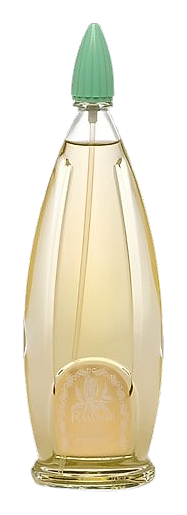
Constantin Mikhailovich Weriguine arrived in Paris as a young émigré, carrying nothing but a nobleman's education and an acute sensitivity to scent. Born in Russia in 1899, he escaped the Revolution and Civil War, eventually finding his way into the rarefied world of Parisian perfumery. In 1926, he joined Les Parfums Chanel, where he would spend the next thirty-five years. There, he worked under Ernest Beaux—the creator of Chanel No. 5—absorbing the rigorous discipline of one of perfumery's great minds. Weriguine handled quality control, evaluated raw materials, and eventually contributed compositions of his own. His work extended to Bourjois, where he created Ramage. Quiet, precise, and utterly devoted to his craft, Weriguine represents a generation of Russian émigrés who helped shape the modern fragrance industry from the shadows.
The hits
Notable creations
The signature
How Constantin composes
His style reflects classical French perfumery at its most disciplined. Weriguine possessed an acute sensitivity to natural materials, favoring structured compositions built on balance and restraint. Where flashier perfumers might chase trends, he trusted in proven techniques and the expressive power of quality ingredients. Working within Chanel's exacting house standards, he developed anose for accord-building that prioritized cohesion over complexity. His work at Bourjois, particularly Ramage, shows a lighter hand—floral and verdant—demonstrating versatility beyond the grand Chanel aesthetic.
Philosophy
What drives Constantin
Weriguine believed that excellence lived in the details. He approached fragrance as both art and science, treating each ingredient with the respect of a craftsman who understood its potential. Working alongside Beaux, he embraced the idea that a great perfume required patience, precision, and an almost spiritual attunement to materials. His philosophy centered on honoring raw materials—their origins, their seasons, their nuances—rather than forcing them into predetermined formulas.
The houses
Maisons Constantin composes for
In the same league