
The Story
Why it exists.
The beginning
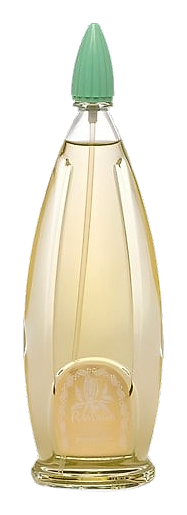
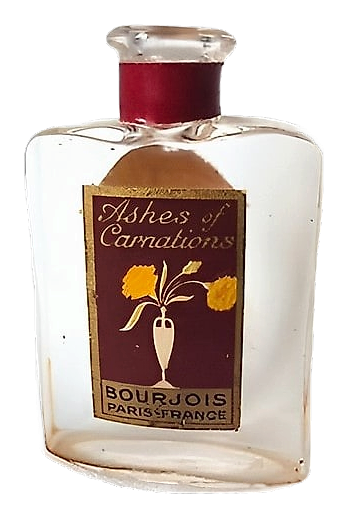
In 1930, Constantin Weriguine composed Ashes of Carnations for Bourjois. The brief belonged to an era that took floral perfumery seriously, when a single note could carry an entire composition if the perfumer understood its spine. Weriguine did. He understood carnation's particular stubbornness, that it refuses to be soft, refuses to be sweet, insists on its clove-and-pepper identity from the first minute to the last. The fragrance was built around that refusal. Not a bouquet. A declaration of one flower that had no interest in playing nice with the others. The composition cuts straight to the flower's character without softening the edges, without burying the spicy, almost indolic heat under layers of round sweetness that other floral constructions of the period often relied upon.
Carnation's chemistry is what makes it interesting. The flower contains eugenol naturally, the same compound that gives clove its warmth and pepper its bite. That means a well-composed carnation perfume doesn't need to borrow spiciness from elsewhere. The spice lives inside the petal. Weriguine understood this and built around it. No heavy base to anchor the warmth. No green opening to dilute the clove. Just carnation, allowed to speak its native tongue of petal, pepper, and that faint sooty edge that gives the flower its name. The composition is restraint. A perfumer choosing what not to add is often more revealing than one choosing what to pile on. Here, the restraint is the architecture.
The evolution
The first ten minutes are carnation at its most assertive. Clove-sharp, almost peppery, with a faint sooty quality that earns the word 'ashes' in the name. There's nothing sweet about it yet. Nothing pretty. It's the raw material of the flower, before perfumery makes it polite. The opening reads as an almost confrontational statement, the eugenol hitting with a dry, spiced heat that tingles at the back of the nose and refuses to apologize for its intensity. Around the thirty-minute mark, the warmth develops. The clove softens into something rounder, the eugenol smoothing into a honeyed warmth that suggests pollen rather than spice. The carnation takes on a slightly waxy quality, like petals pressed between the pages of a book that's been closed for decades. There's a sweetness now, but it isn't sugary. It reads as the natural sugars inside the flower, warmed by sun, leaning toward resin.
Cultural impact
Ashes of Carnations occupies a singular place among floral fragrances for its refusal to romanticize its central note. Rather than taming the carnation into a gentle, powdery approximation of itself, the composition preserves the flower's full-throated character, spicy, clove-laden, faintly sooty, closer in spirit to a living garden than a decorative bouquet. The fragrance rewards attention to how a single botanical can sustain an entire olfactory composition when treated with honesty rather than flattery.
The House
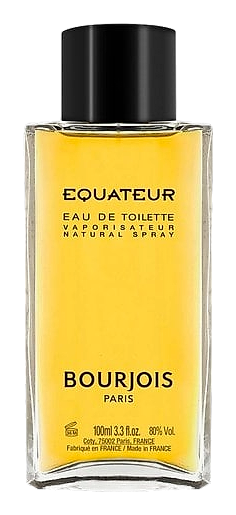
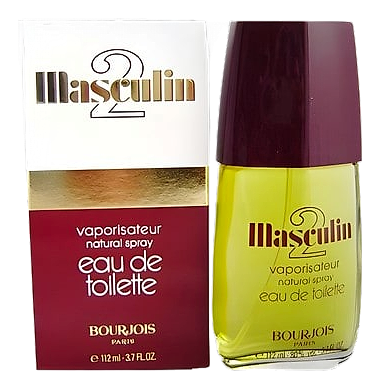
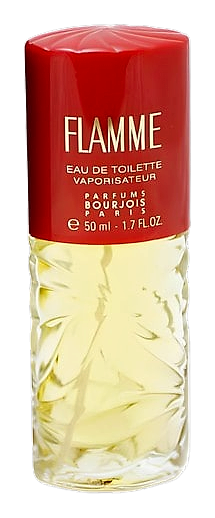
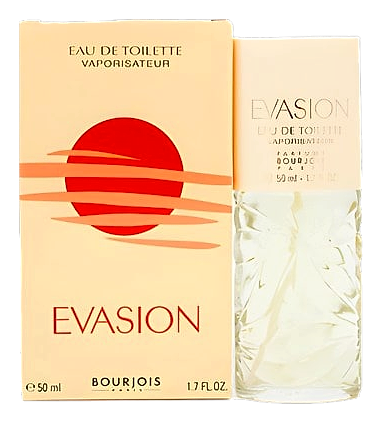
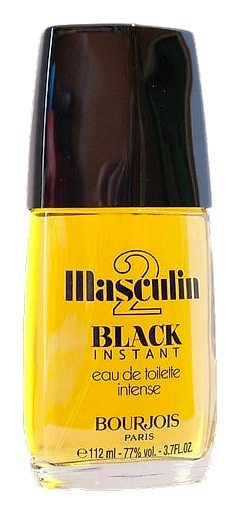
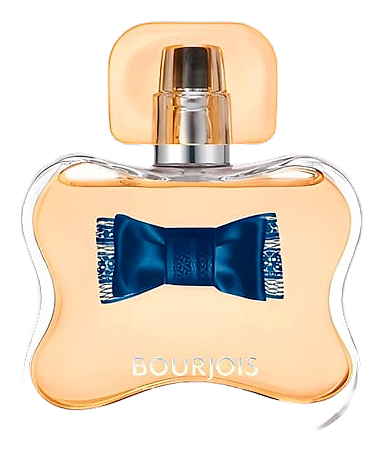
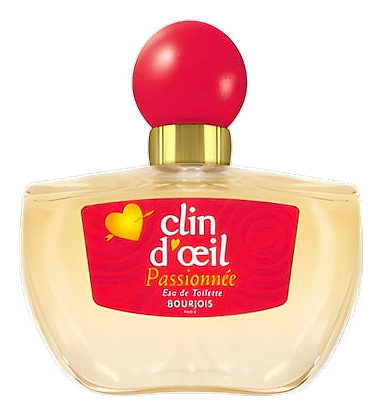
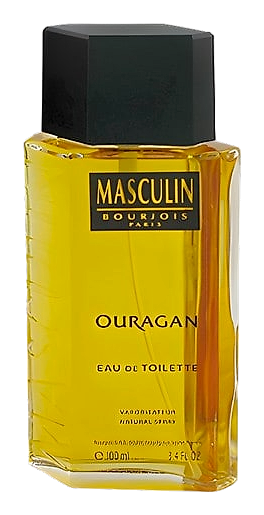
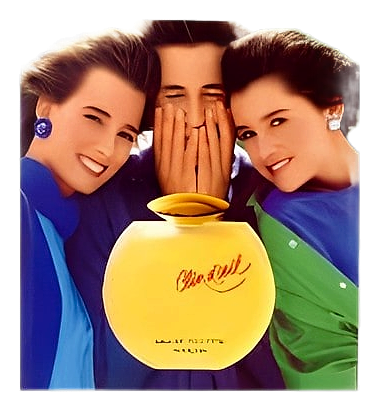
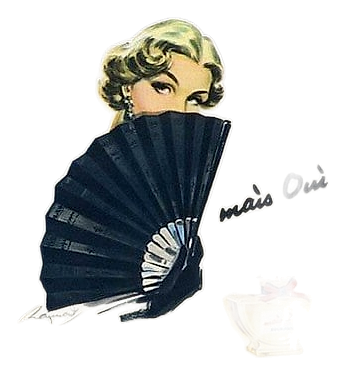
BourjoisBourjois began as a modest Parisian toiletry shop in the mid‑19th century and grew into a household name for colourful cosmetics and approachable fragrance. The brand blends French theatrical flair with everyday wearability, offering scents that feel both playful and rooted in tradition. Over more than a century, Bourjois has kept a focus on accessible luxury, delivering perfume that invites a wider audience to experience the craft of French perfumery without the pretence of exclusive pricing. Its catalogue includes iconic launches such as Mais Oui (1938) and the masculine line that started in the early 1970s, each reflecting a balance of heritage and contemporary taste.
The Creator
Constantin WeriguineHis style reflects classical French perfumery at its most disciplined. Weriguine possessed an acute sensitivity to natural materials, favoring structured compositions built on balance and restraint.