
The Story
Why it exists.
The beginning
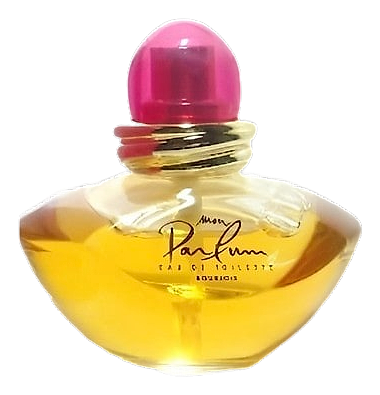
Mon Parfum arrived in 1995, created by François Demachy for Bourjois. The composition is tuberose-forward, softened by fruit and vanilla: the theatrical white floral made tender, made wearable, made for someone who loves the drama but doesn't need an audience. The tuberose doesn't shout. It whispers, revealing its lush petals in waves that feel generous without ever becoming overwhelming. Fruity sweetness lifts the bloom just enough to keep it approachable, while warm vanilla wraps around the florals like a soft cashmere throw, turning what could be a bold statement into something close and personal, an intimate scent that feels like it belongs only to you.
The note structure pulls in two directions. The top half, mirabelle plum, apricot, water hyacinth, keeps things dewy and bright. The bottom half, heliotrope, vanilla, ylang-ylang, goes creamy and slightly powdery. Tuberose sits between them, holding the whole thing together without turning it into a soliflore. It's a composition built for balance rather than impact, which is harder to get right than it sounds.
The evolution
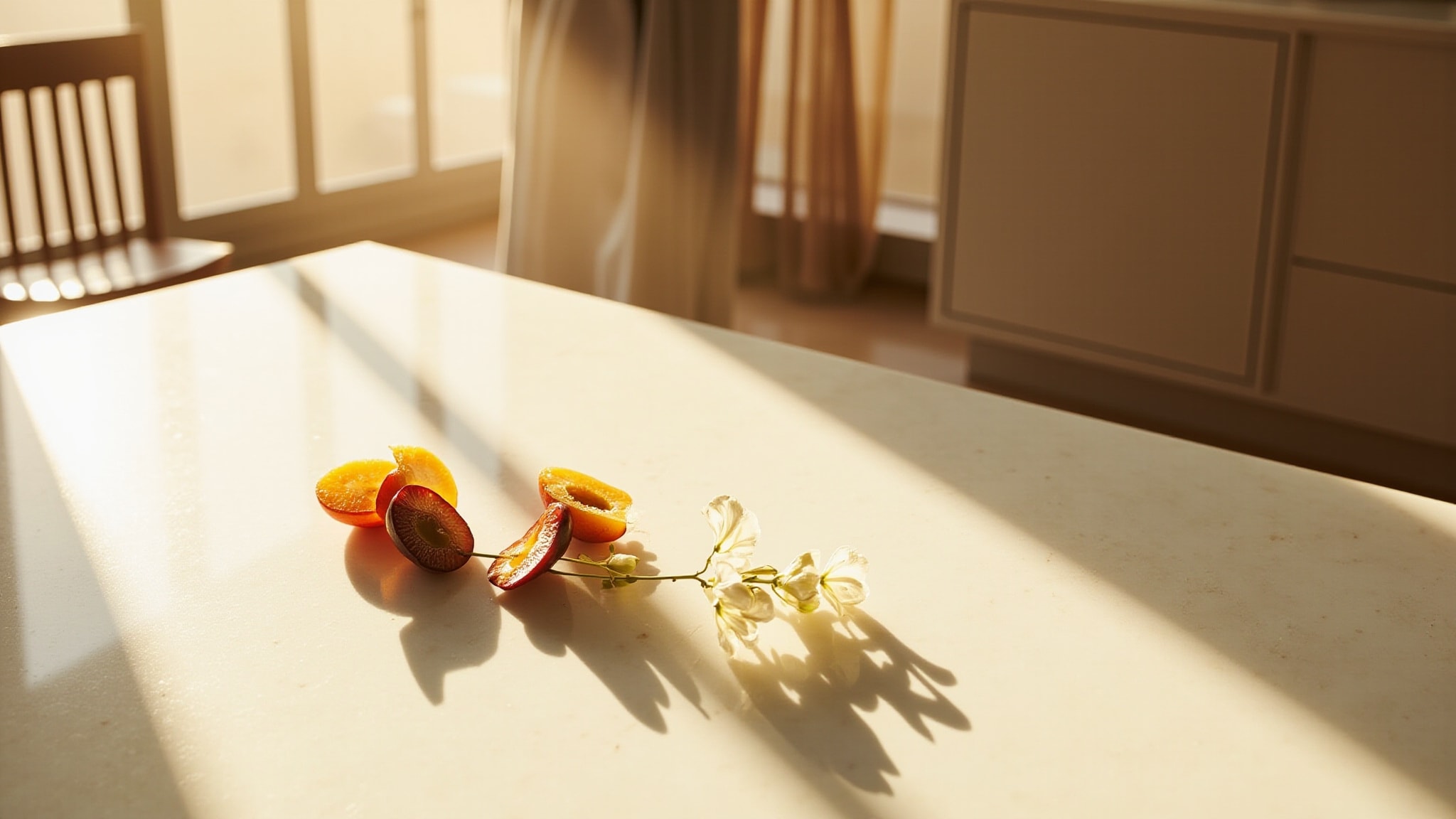
It opens on mirabelle plum and apricot, a fruit market in morning light. The water hyacinth adds something almost dewy, like the air after a brief rain. Then the rose and tuberose take over, but gently, without the sometimes-aggressive creaminess that white florals can throw. By the second hour, heliotrope arrives: powdery, slightly sweet, slightly almond-like. Vanilla anchors the whole thing, keeping it warm and close. The drydown doesn't disappear. It becomes skin, a soft whisper of powder and warmth that lingers close to the body, intimate and tender, never shouting but always present.
Cultural impact
Mon Parfum holds an unusual position, discontinued and hard to find, yet consistently rated by those who know it. Bourjois has never been about market dominance. It's about the woman who loves elegance but won't perform for the door. The fragrance speaks to a certain sensibility, one that values nuance over noise, personal satisfaction over public declaration. Those who have found it tend to keep finding ways to wear it, sharing small bottles with friends who understand what makes something quietly special.
The House
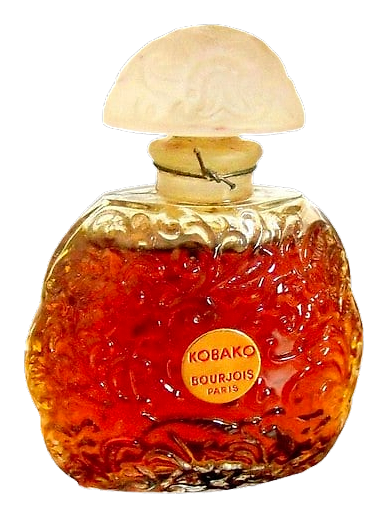
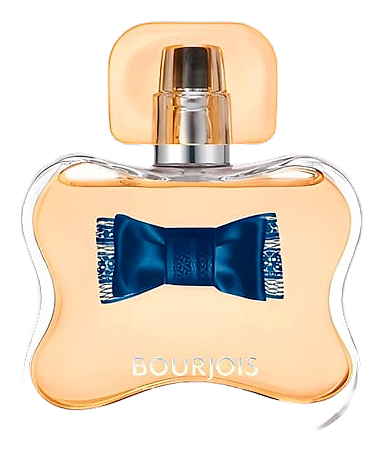
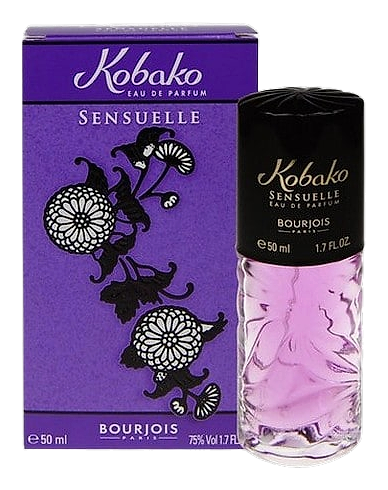
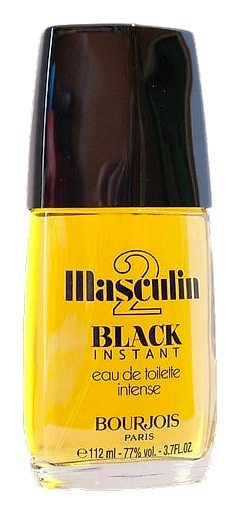
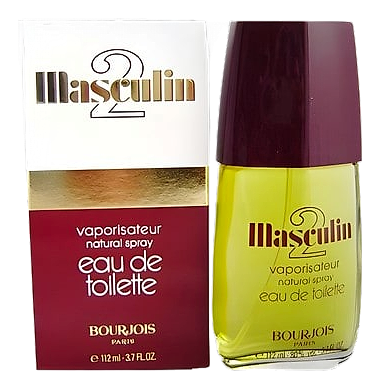
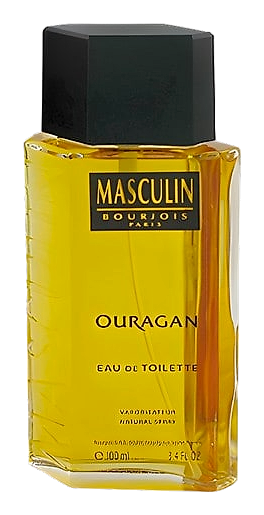
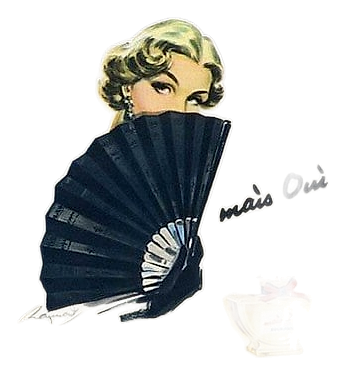
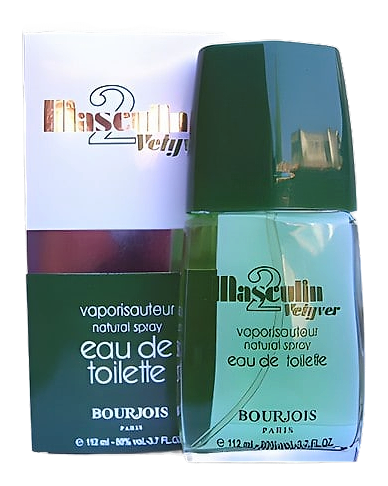
BourjoisBourjois began as a modest Parisian toiletry shop in the mid‑19th century and grew into a household name for colourful cosmetics and approachable fragrance. The brand blends French theatrical flair with everyday wearability, offering scents that feel both playful and rooted in tradition. Over more than a century, Bourjois has kept a focus on accessible luxury, delivering perfume that invites a wider audience to experience the craft of French perfumery without the pretence of exclusive pricing. Its catalogue includes iconic launches such as Mais Oui (1938) and the masculine line that started in the early 1970s, each reflecting a balance of heritage and contemporary taste.
The Creator
François DemachyDemachy's work bridges two traditions. He is a Grasse native with deep roots in natural raw materials, yet he embraces modern molecules without hesitation.