The Story
Why it exists.
The beginning
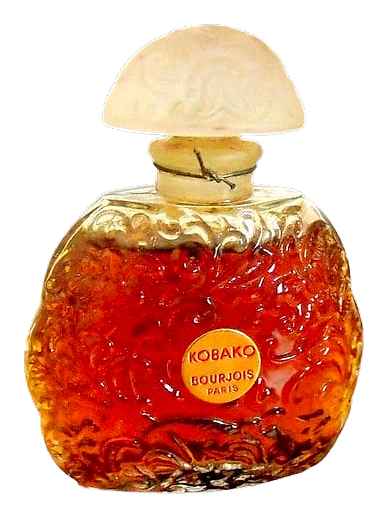
Ernest Beaux composed Kobako Vintage Edition in 1936, placing it squarely in the golden era of French perfumery when aldehydes were reshaping what a fragrance could be. Beaux had already established his name with landmark work at Chanel, aldehydic florals that redefined the category. Kobako took that same ambition and asked what it would look like worn without ceremony, without the exclusive price point. It became Bourjois's statement that theatrical elegance didn't need to perform. The 1936 launch landed during a period when the house was dedicating most of its research budget to new perfumes, Kobako was one of the results, a composition built to last, not just to launch.
The structure is classic chypre: a top that sparkles and opens, a heart dense with florals, and a base anchored in oakmoss, leather, and animalic warmth. What sets Kobako apart is the density of the heart. Gardenia and magnolia arrive together, layered with rose, jasmine, lily, carnation, and orris, each note present, none of them fighting. Galbanum threads through, adding a green, slightly bitter lift that keeps the florals from going sweet. At the base, the civet and leather shift the fragrance from garden to skin. The aldehydes in the opening give it that 1930s shimmer, but what lasts is the warmth underneath, benzoin, vanilla, tonka bean, amber, settling close like powder on a vanity table left open.
The evolution
The aldehydes hit first. That characteristic metallic fizz, like light catching the chrome of a 1930s film credit sequence. Citrus rides underneath, bright, clean. Then the clove and cinnamon push in, warming the opening before it even settles. Within minutes the florals announce themselves. Not one at a time, all at once. Gardenia and magnolia first, creamy and almost tropical. Rose and jasmine follow, softening the density. Carnation adds a spiced edge that echoes the top. The orris and galbanum arrive last in the heart, pulling the composition upward with powdery iris and a green lift that keeps everything from becoming static. By hour three, the florals begin to recede, not disappearing, just settling into the powdery register. Vanilla and tonka bean take over the sweetness. The amber and benzoin add resinous warmth. And then there's the base: oakmoss, leather, civet. The civet is the tell. That's the warmth that reads like skin, borrowed or bare. It doesn't project, it lingers.
Cultural impact
Ernest Beaux shaped the trajectory of 20th-century perfumery. His work on aldehydic florals, bold, structured, unapologetically present, gave the category its defining language. Kobako carries that same ambition, composed in 1936 when Beaux was at full command of the form. For wearers who know the vintage chypre tradition, this is the real thing: aldehydes, animalics, and oakmoss in a structure that hasn't been diluted into politeness. It lasts, it shifts, it stays close. That's the whole point.