The Story
Why it exists.
The beginning
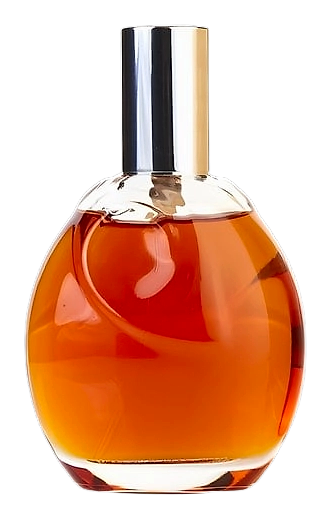
When Chloé entered the fragrance world in 1975, it was a statement of intent. The fashion house had been defining accessible luxury since 1952, when Egyptian-born designer Gaby Aghion established it in Paris with a vision: luxury fashion that freed women from rigid formality. That philosophy, effortless chic, romantic femininity, freedom from constraint, became the brief for perfumer Betty Busse. Her task was to translate free-spirited French femininity into a bottle. The result was Chloé: aldehydes as a structural foundation, not a gimmick. White florals that bloom with intention. A composition that feels both intimate and assertive. What makes this origin story matter is the ambition behind it, a fashion house known for ready-to-wear luxury taking its first step into perfumery with a scent that refused to be polite.
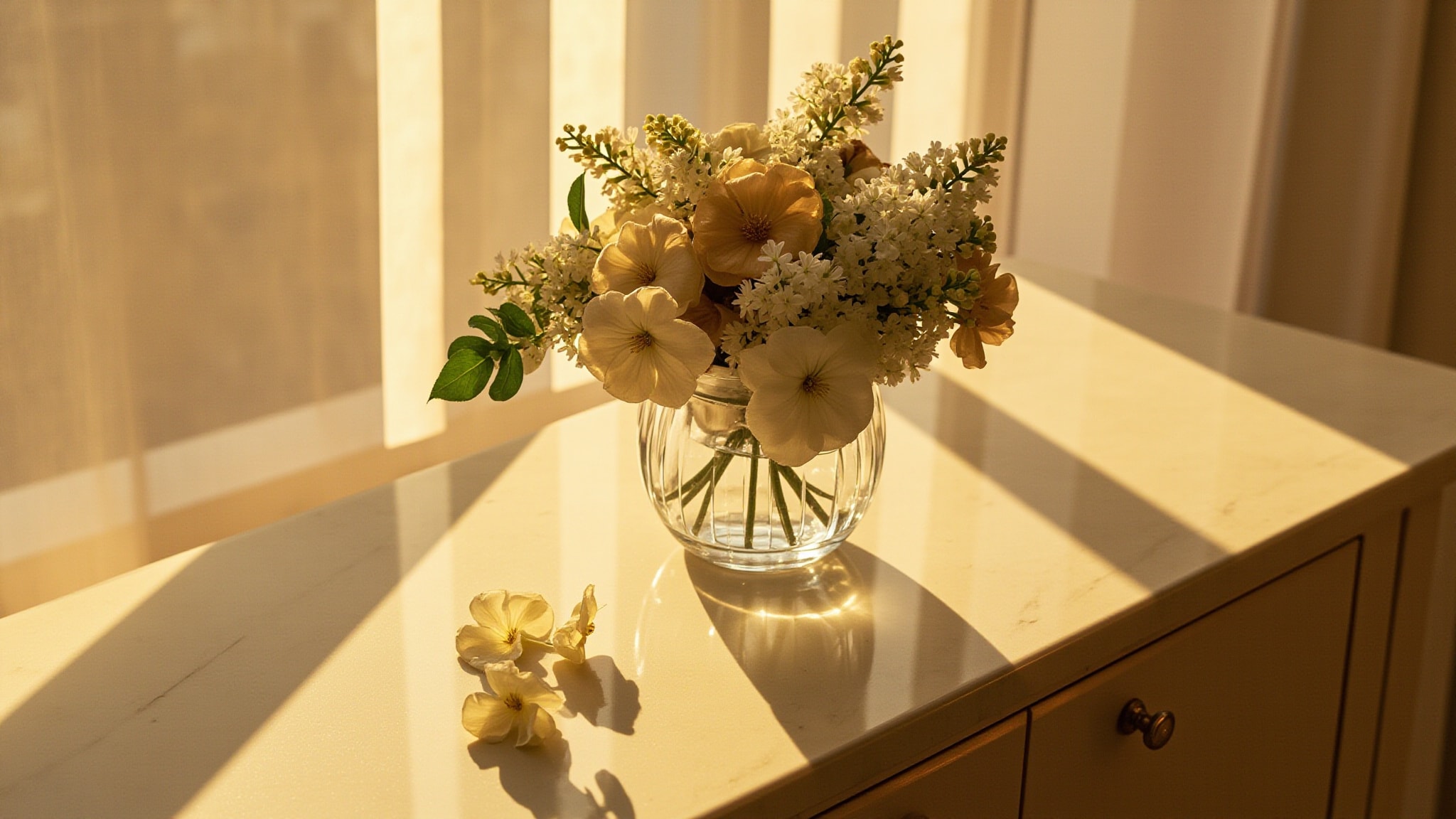
The note structure here is unusual for its era. Aldehydes typically signal a crisp, soapy opening, but Busse layered them with lilac, honeysuckle, and hyacinth, creating a powdery sweetness that feels vintage without being dated. Peach and coconut in the top accord add unexpected brightness, a fruity warmth that prevents the aldehydes from reading as sterile. The heart is where the composition earns its staying power: tuberose and jasmine provide body, but it's the carnation and orris root that add an almost waxy, textured quality, something that reads as complex rather than simply loud. The base grounds everything in oakmoss and cedar, with benzoin adding resinous warmth.
The evolution
The first hour belongs to the aldehydes. They hit bright and slightly waxy, not sharp, but present. A crispness that signals something classic is happening. Within twenty minutes, the florals begin their slow take-over. Lilac and honeysuckle arrive quietly, their powdery sweetness threading through the aldehydes rather than fighting them. Peach keeps the opening from reading as soapy, there's a juiciness there that adds warmth. By the second hour, the heart establishes itself. Tuberose takes center stage, creamy, almost green, with a richness that fills space without overwhelming it. Jasmine, rose, and carnation add layers, and the orris root gives a powdery elegance that bridges top to heart. The transition from heart to drydown is where this fragrance reveals its patience. Around the fourth hour, the florals begin to recede and the base notes emerge: cedar and sandalwood provide warmth, oakmoss adds a quiet green complexity, and benzoin gives resinous depth. The musk in the base is subtle, never animalic, always smooth. The final hours are intimate.
Cultural impact
The aldehydic floral genre became a cornerstone of modern feminine perfumery, and this fragrance represents one of its most refined expressions. Its powdery aldehydic opening, paired with a white floral heart of lilac, hyacinth, and honeysuckle, established a template for elegant, daytime florals that continues to influence perfumers today. The fragrance's balance of vintage sophistication and accessible charm made it a bridge between classical perfumery and contemporary tastes, remaining relevant across decades.