The Story
Why it exists.
The beginning
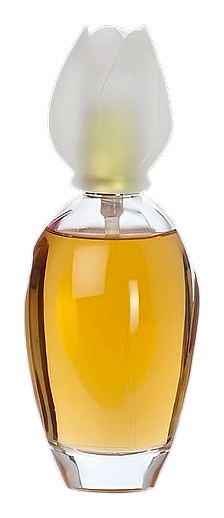
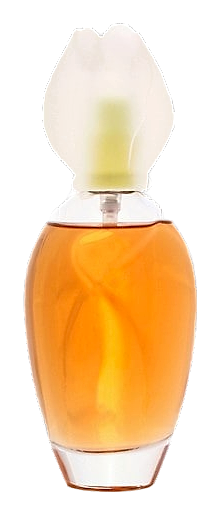
The 1992 Narcisse had been bold, intense, almost confrontational in its sweetness. For 1994's Fleur de Narcisse, the perfumer reached for the flower itself rather than its shadow, the blossom, not the leaves. The result is a fragrance that smells like what it means: a white bloom with a quiet intensity, present without being overwhelming. The narcissus here is rendered with a clarity that emphasizes its powdery, green-stemmed character, and its slightly bitter edge distinguishes it from more conventional floral constructions. It is a perfume that invites rather than demands attention, a quality that has kept it resonant among those who value subtlety in scent.
The unusual pairing of aquatic notes with blackcurrant in the opening sets up the florals differently than you'd expect. Instead of a straightforward bouquet, you get a cool, dewy beginning that transitions into something warmer and more complex. The heart of narcissus, iris, and mimosa creates a yellow-white floral interplay that is simultaneously powdery and green. And the base, leather, oakmoss, white tobacco, grounds the composition in something earthier, more animalic, preventing the florals from floating away entirely.
The evolution
The first minutes belong to the blackcurrant and aquatic notes, tart, dewy, a little cool. It doesn't announce itself; it simply appears. The florals begin their quiet takeover, and the narcissus leads, powdery and slightly bitter, followed by iris adding softness and mimosa bringing a honeyed warmth. This heart phase shifts gradually as the florals deepen and merge. The base notes arrive, with leather emerging first, soft, warm, then the oakmoss adds an earthy green undertone, and finally the white tobacco lingers as a quiet, smoky warmth close to the skin. The sillage in the early hours is noticeable before settling into something intimate and personal. The drydown leaves a trace of tobacco and oakmoss, a ghost of the base that remains present.
Cultural impact
Fleur de Narcisse has quietly endured among those who know it. Discontinued but not forgotten, it holds a place as a distinctive example of how narcissus can be used in perfumery. The note itself is unusual enough to make the fragrance stand apart; used this way, it reads as confident rather than strange. For those who appreciate powdery florals with an edge, it remains a reference point, a reminder that floral fragrances can carry complexity without sacrificing their essential character.