Betty Busse
Betty Busse earned her place among the greats of 20th-century perfumery long before the industry openly celebrated women in creative roles. IFF hired her in the 1960s, a time when female perfumers remained rare in corporate fragrance houses. She quickly rose to prominence, earning the moniker "The Million Dollar Nose"—a testament to the commercial and artistic value of her work. In 1968, she co-created Azurée Legacy with Bernard Chant, bringing a vision of sun-drenched Mediterranean luxury to life. Her work on Estée for Estée Lauder established her as a master of sophistication, while her Narcisse for Parfums Chloé in 1975 captured something of that house's emerging Parisian chic. Though her name appeared less frequently in contemporary releases, her influence rippled through the industry, shaping how major houses approached feminine florals and daytime signatures for decades. She belonged to a generation of women who built careers through sheer talent at a time when the perfumery profession barely acknowledged their existence.
The hits
Notable creations

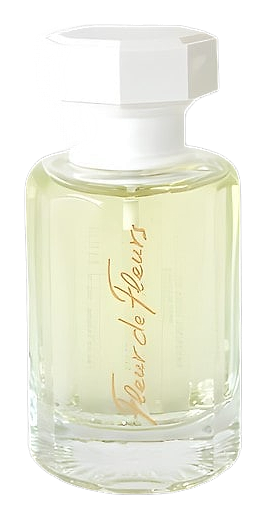
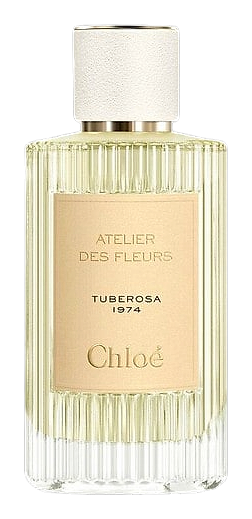




The signature
How Betty composes
Busse's signature style leaned toward polished florals and refined citrus, with a particular gift for white flowers and green notes that felt both contemporary and timeless. She demonstrated a command of structure that hinted at rigorous technical training, yet her compositions never felt academic. Her work balanced freshness with warmth, creating scents that felt wearable without ever becoming mundane. The Azurée Legacy collaboration showed her ability to capture sunlit warmth, while her Narcisse revealed a more intimate, garden-like quality. She seemed drawn to ingredients that could convey confidence without aggression, femininity without preciousness.
Philosophy
What drives Betty
Busse approached scent creation with an architect's precision and an artist's intuition. She believed in building fragrances from the inside out, selecting each material not for its individual beauty but for how it would function within a larger composition. Her work suggests someone who understood that a great perfume must feel inevitable—that every note should seem as though it could not exist any other way. She favored clarity and balance over spectacle, preferring to find complexity within restraint rather than layering effects for dramatic impact.
The houses
Maisons Betty composes for
In the same league