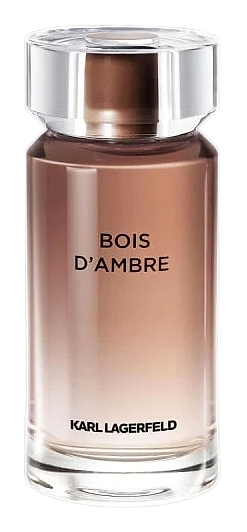
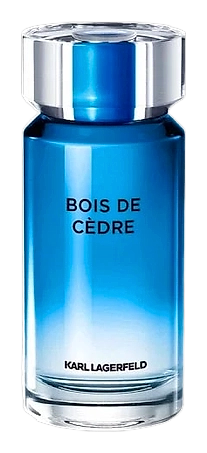
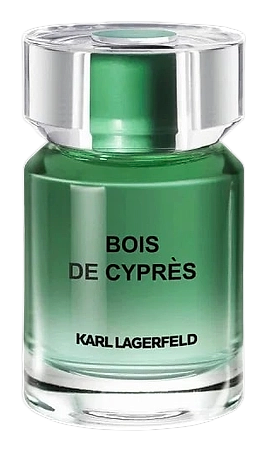
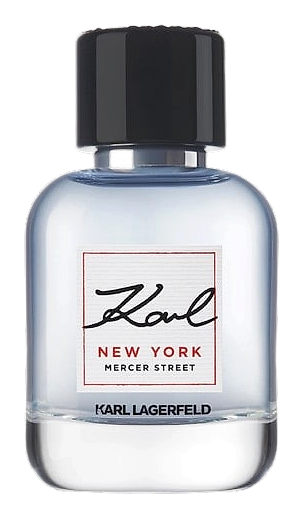
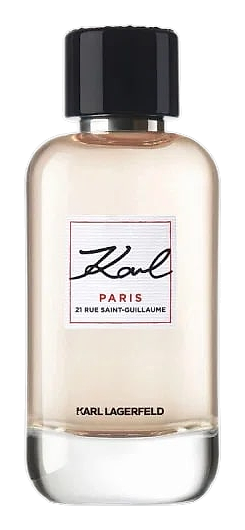
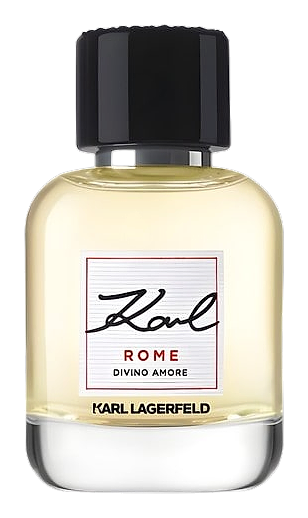
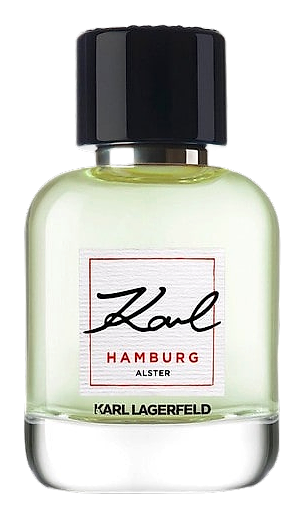
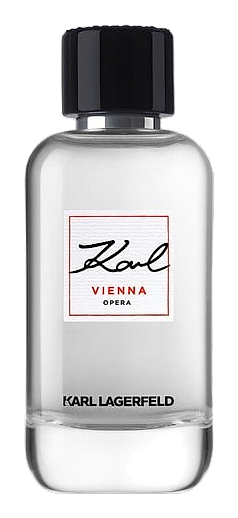
    Brand Profile

    Karl Lagerfeld fragrance house translates the designer’s stark aesthetic into scent. Founded in the late 1970s, the label releases modern co…More

    France·Est. 1978·Site

    4

    Fragrances

    3.7

    Rating

    50
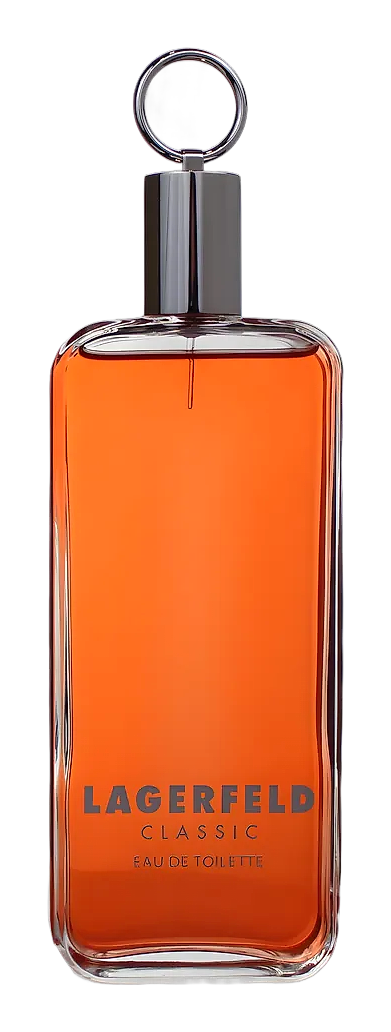
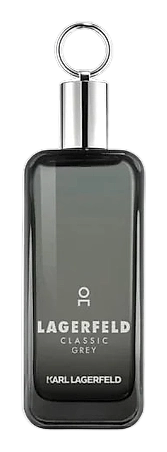
    Lagerfeld Classic Grey by Karl Lagerfeld
    3.8

    Lagerfeld Classic Grey

    Bois de Cyprès by Karl Lagerfeld
    3.8

    Bois de Cyprès

    Bois de Cedre by Karl Lagerfeld
    3.6

    Bois de Cedre

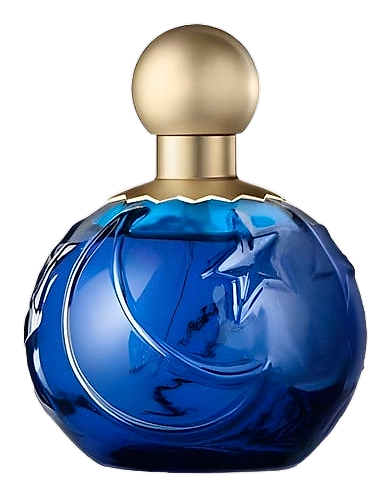
    Sun Moon Stars Eau de Parfum by Karl Lagerfeld – Eau de Toilette
    3.5

    Sun Moon Stars Eau de Parfum

    Eau de Toilette

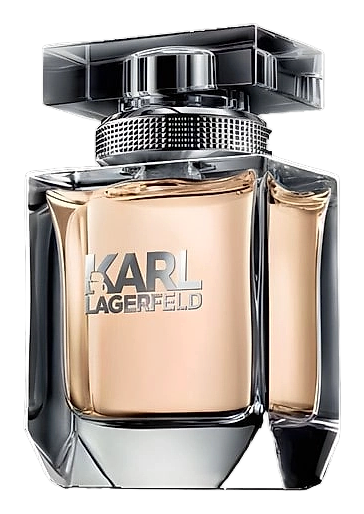
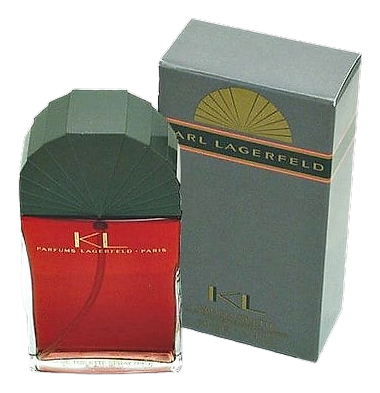
    KL by Karl Lagerfeld
    Best Seller
    4.5

    KL

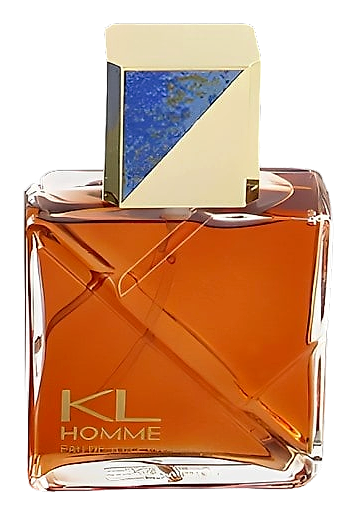
    KL Homme by Karl Lagerfeld
    Best Seller
    4.4

    KL Homme

    Chloé (Parfums Lagerfeld) by Karl Lagerfeld
    Best Seller
    4.4

    Chloé (Parfums Lagerfeld)

    Lagerfeld Men by Karl Lagerfeld
    4.2

    Lagerfeld Men

    Bois de Santal by Karl Lagerfeld
    New
    4.2

    Bois de Santal

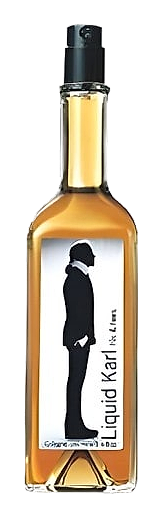
    Liquid Karl by Karl Lagerfeld
    4.2

    Liquid Karl

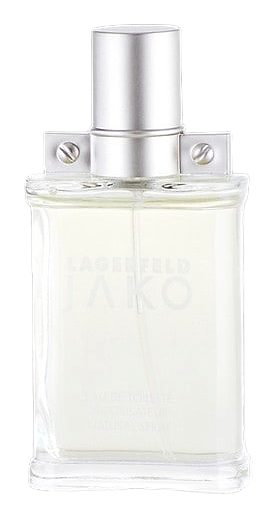
    Jako by Karl Lagerfeld
    4.1

    Jako

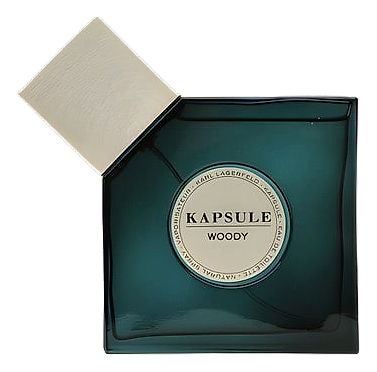
    Kapsule Woody by Karl Lagerfeld
    4.1

    Kapsule Woody

    1 of 5

    The Heritage

    The Story of Karl Lagerfeld

    Karl Lagerfeld fragrance house translates the designer’s stark aesthetic into scent. Founded in the late 1970s, the label releases modern compositions that echo his love of contrast and precision. Each bottle bears a minimalist silhouette, while the olfactory stories range from crisp citrus to deep woody accords. The brand remains a quiet reference point for collectors who value design as much as aroma.

    Heritage

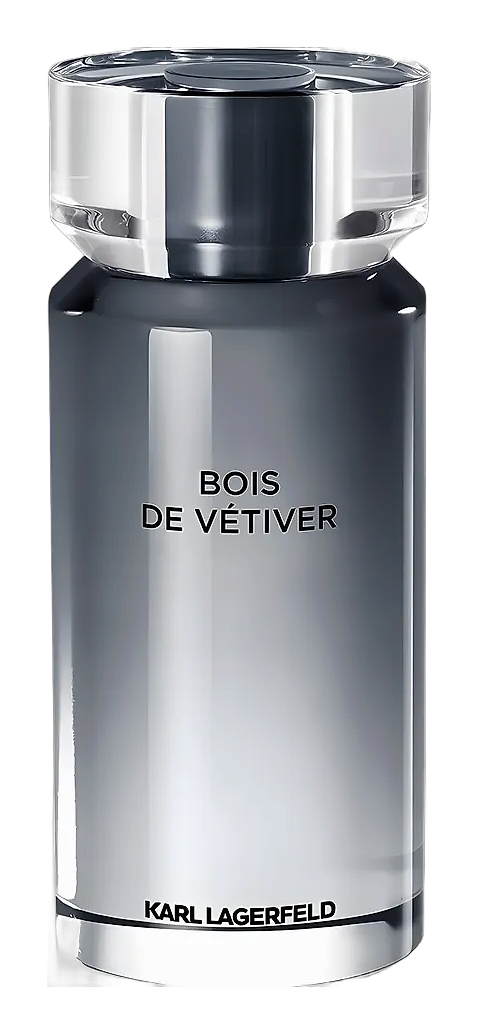
    Karl Lagerfeld began his fashion career in the 1950s, moving through Balmain, Patou and Chloé before taking the helm at Chanel in 1983. While directing runway shows, he turned to fragrance. In 1975 he partnered with Eli Lilly to launch Parfums Lagerfeld, introducing the first scent under his name. Two years later, the designer formalised a dedicated fragrance house, a move documented by Interparfums in 1978. The early catalogue featured KL (1983) and KL Homme (1986), both of which carried his signature black‑and‑white branding. Throughout the 1990s the house expanded with Sun Moon Stars (1994) and Lagerfeld Men (2003), reflecting a shift toward more masculine narratives. Liquid Karl arrived in 2004, offering a fresh, aquatic character that resonated with younger audiences. The 2010s saw a return to raw material focus; Bois de Vetiver (2017) highlighted a single note in a transparent composition. In 2025 the line Les Parfums Matières introduced two new creations that celebrate the purity of sandalwood and vetiver, confirming the brand’s ongoing commitment to material honesty. After Karl’s death in 2019, the house continued under the stewardship of Interparfums, preserving his design language while inviting new perfumers to interpret his vision.

    Craftsmanship

    Production begins with a careful audit of raw material provenance. The house works with growers in India, Madagascar and Brazil who can certify organic or fair‑trade status for sandalwood, vetiver and other key notes. Once harvested, ingredients travel to Interparfums’ Paris laboratory, where perfumers blend them in small batches to preserve nuance. The brand favors high‑purity extracts, often opting for steam‑distilled essential oils rather than synthetic substitutes, though it does employ aroma chemicals when they enhance stability. After the formula reaches a stable state, the mixture is aged in stainless steel tanks for several weeks, a step that smooths volatile edges. Bottles are machined from clear glass by a French manufacturer that applies a matte black lacquer to the cap, echoing Karl’s signature gloves. Each container receives a hand‑applied label featuring his monogram, and a thin foil seal ensures tamper‑proof delivery. Quality control includes blind olfactory panels that evaluate consistency across production runs. The brand also documents each batch’s ingredient batch numbers, enabling traceability from farm to fragrance.

    Design Language

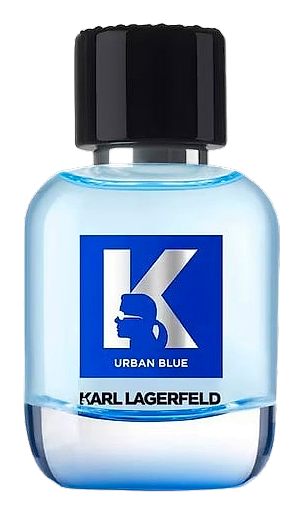
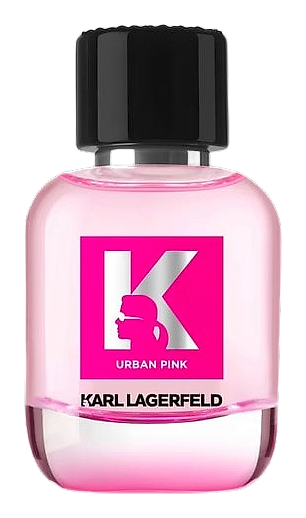
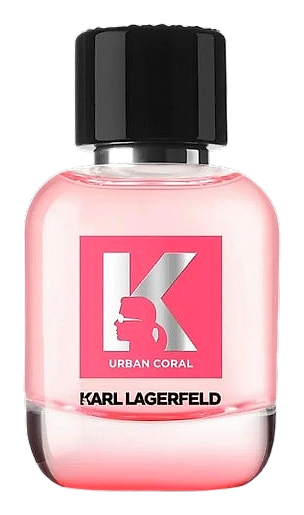
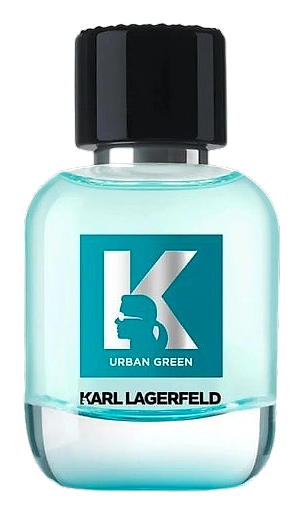
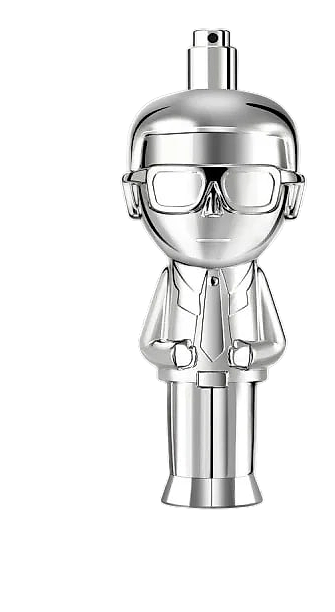
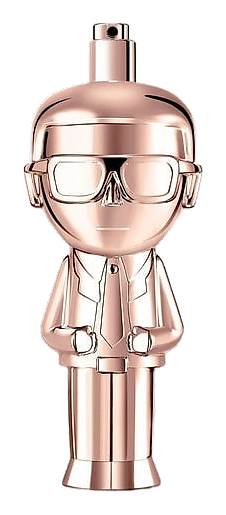
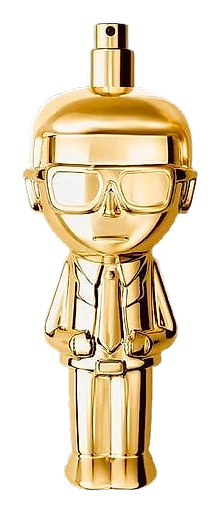
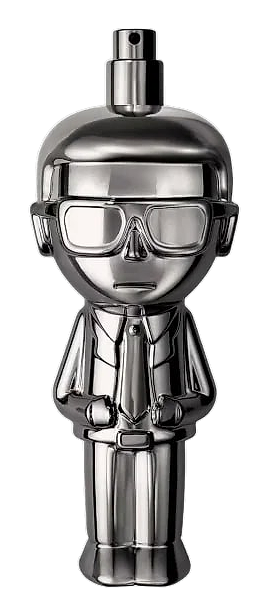
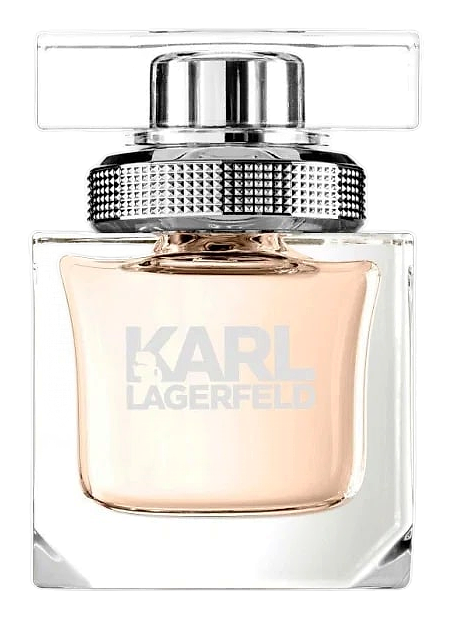
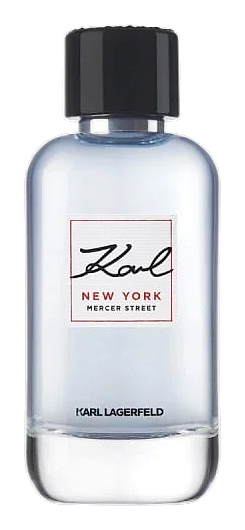
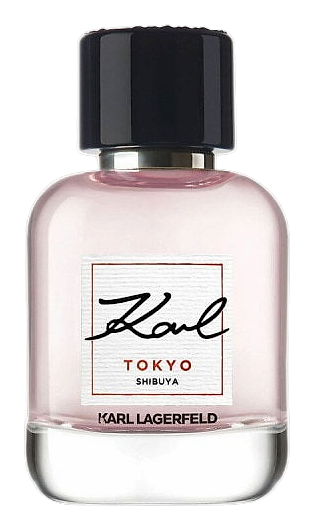
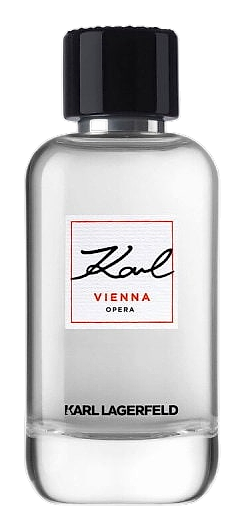
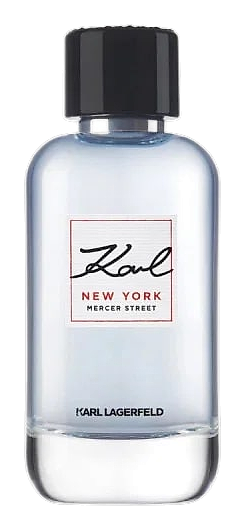
    Visual identity rests on stark monochrome contrasts. The logo pairs Karl’s stylised signature with a sans‑serif typeface, set against a black background that recalls his runway backdrops. Bottle shapes are geometric, often cylindrical or rectangular, with clean edges that reject ornamentation. Caps feature a matte black finish, while the glass itself remains clear, allowing the scent’s colour to speak for itself. Labels display only the name and year, printed in white or silver foil. Marketing imagery frequently shows the designer’s silhouette—black coat, white shirt, iconic sunglasses—positioned beside the perfume, reinforcing the personal connection. Seasonal campaigns use minimalist photography, focusing on texture and material rather than elaborate set pieces. This restrained visual language mirrors the brand’s olfactory philosophy, presenting each fragrance as a singular, well‑defined object rather than a narrative collage.

    Philosophy

    The house treats fragrance as an extension of visual art. Karl Lagerfeld believed that a scent should convey the same clarity he demanded of a garment: clean lines, bold contrast, and an unmistakable point of view. The brand therefore selects ingredients that can stand alone, avoiding overly layered compositions that mask individual characters. It partners with perfumers who share a minimalist mindset, allowing a single accord to dominate the narrative. Sustainability entered the agenda in the 2020s, prompting the house to source raw materials from certified farms and to reduce plastic in packaging. The creative brief always starts with a sketch of the bottle, then translates that geometry into olfactory form, ensuring that the visual and aromatic elements speak the same language. This disciplined approach reflects Lagerfeld’s broader credo that every detail, from a cuff to a perfume drop, must serve a purpose.

    Key Milestones

    1975

    Launch of the first Parfums Lagerfeld fragrance in partnership with Eli Lilly

    1978

    Formal establishment of the Karl Lagerfeld fragrance house

    1983

    Release of KL, the brand’s first stand‑alone scent

    1994

    Introduction of Sun Moon Stars Eau de Parfum

    2004

    Launch of Liquid Karl, a fresh aquatic composition

    2017

    Bois de Vetiver debuts, highlighting single‑note purity

    At a Glance

    Brand profile snapshot

    Origin

    France

    Founded

    1978

    Heritage

    48

    Years active

    Collection

    4

    Fragrances released

    Avg Rating

    3.7

    Community sentiment

    Release Rhythm

    2026
    3
    2025
    4
    2024
    3
    2023
    2
    2022
    3
    2021
    4
    2020
    2
    2019
    2
    karl-lagerfeld.com

    Did You Know?

    Interesting Facts

    Distinctive details and defining moments that shape the house personality.

    01

    Karl Lagerfeld personally sketched the bottle shape for more than half of his fragrances.

    02

    The 2025 Les Parfums Matières line marks the first time the house released scents under a sub‑brand dedicated solely to raw material celebration.

    03

    Karl’s signature black gloves appear as a subtle embossing on the cap of every bottle released after 2000.

    04

    Interparfums continues to produce the fragrances using the original formulas approved by Karl before his death.

    The Artisans

    The Perfumers

    Creative noses shaping the olfactive identity of Karl Lagerfeld.