The Story
Why it exists.
The beginning
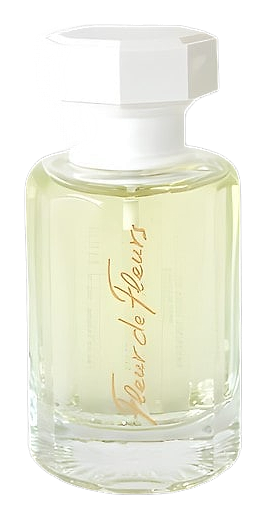
Betty Busse created Fleur de Fleurs for Nina Ricci in 1982, decades after the house established itself as a cornerstone of Parisian femininity. The name itself is a statement: not one flower, but flowers upon flowers. Busse built the heart around a profusion of white florals, hyacinth, lily of the valley, magnolia, jasmine, lilac, ylang-ylang, each lending something different to the garden. The aldehydes give the whole composition structure, lifting the florals into something luminous and powdery. It's romantic, but with a precision underneath. Softness with a backbone. That's the Nina Ricci way, and Fleur de Fleurs embodies it.
The aldehydic structure is the quiet architect here. Aldehydes, those effervescent, fatty compounds, create a sparkling, almost champagne-like quality in the opening. They lift the green notes and citrus, then carry the white florals without letting them droop into sweetness. The result is a garden that feels bright and alive, not static. The civet in the base is the secret: barely there, just enough animalic warmth to keep the florals from reading as purely decorative. It's what makes the drydown feel intimate rather than diffuse. Busse understood that a white floral composition needs something slightly imperfect to feel real.
The evolution
The aldehydes open bright and sparkling, almost like morning light caught in soap bubbles. Then the green notes arrive, bergamot, lemon, and that crisp herbal quality from rosemary, giving the opening a garden-fresh character that feels both clean and lively. Within minutes, the white florals begin their slow unfurling. Hyacinth leads with its watery green floral character, then lily of the valley, magnolia, jasmine, lilac, ylang-ylang, cyclamen, and iris follow in waves. The aldehydic structure holds everything together, giving the heart a powdery, classic quality that never goes fully modern. As the florals begin to recede, the base emerges: sandalwood first, creamy and warm, then musk, then the civet, that trace of animalic depth that makes the drydown feel intimate rather than polite. The civet doesn't shout. It lingers close to the skin, adding warmth without projection. The drydown lasts for hours, wrapping the wearer in soft refinement.
Cultural impact
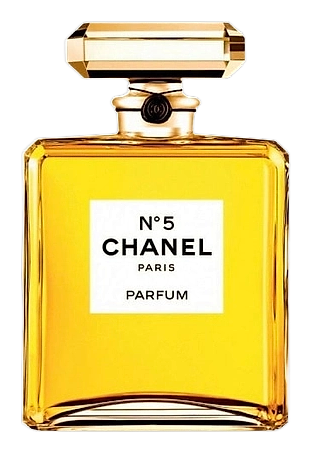
Fleur de Fleurs arrived in 1982 during a transitional moment in perfumery, just as the aldehydic-floral tradition was being challenged by the rise of more minimal, fresh fragrances. Created by Betty Busse for Nina Ricci, it represented a last great statement of the grand feminine aldehydic style that had dominated since Chanel No. 5. The fragrance became a touchstone for those seeking classic femininity in scent form, bridging the theatricality of 1970s perfumery with the emerging taste for refined elegance. Its powdery aldehydic sparkle and lush white floral heart have influenced how perfumers approach timeless femininity in fragrance, remaining relevant as a reference point for aldehydic composition decades after its launch.