The Story
Why it exists.
The beginning
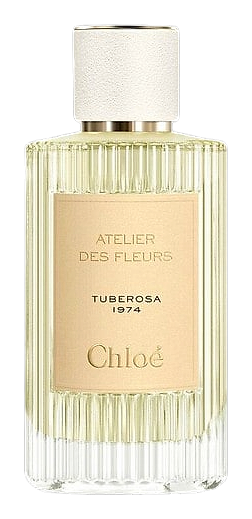
Betty Busse created the original Chloé fragrance in 1974, a classical feminine perfume with intense florality that became one of the house's most recognizable scents. Fast forward to 2020, and the same perfumer returned to her own work, reimagining it under the Atelier des Fleurs collection. This wasn't a remake. It was a revival, written by the same hand, forty-six years later. The brief, presumably, was simple: capture what made the original iconic, but let it breathe in a contemporary context. What emerged is Tuberosa 1974, a fragrance that wears its heritage openly, named for the year everything began.
What makes this composition unusual is its dual nature. The aldehydes place it firmly in a vintage register, that slightly powdery, almost abstract florality that characterized the great perfumes of the 1970s. But the tuberose is anything but vintage. It's creamy, almost lactonic, with green undertones that keep it grounded. The spices don't announce themselves; they linger at the edges, warming the florals without ever becoming prominent. The result is a fragrance that feels both timeless and specific, rooted in a particular moment in perfumery history, yet recognizable as something you'd encounter today.
The evolution
The opening is the most polarizing phase. The aldehydes arrive first, carrying that signature 1970s warmth, slightly powdery, abstract, like the memory of a perfume rather than the perfume itself. If you're expecting pure tuberose, this can be jarring. Within minutes, though, the white florals begin to unfurl. The tuberose takes over the heart, creamy and heady, supported by green stems that keep it from becoming too heavy. The drydown is where this fragrance earns its reputation. The florals recede, leaving something skin-close and intimate, a warm, slightly animalic trace that lingers for hours. On most skin types, expect 8-10 hours of wear. On fabric, it can last into the next day.
Cultural impact
Tuberosa 1974 occupies a specific niche: the revival fragrance, made by the original perfumer. It's not a reinterpretation by someone else, it's Betty Busse returning to her own work decades later. For collectors and enthusiasts, that alone makes it significant. The aldehydic opening also places it in conversation with a particular moment in perfumery history, when French feminine fragrances were defined by abstract florality and powdery warmth. Whether that conversation feels nostalgic or dated depends entirely on the wearer.