The Story
Why it exists.
The beginning
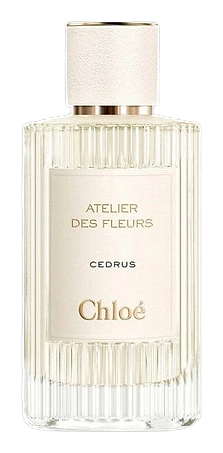
Cedrus means cedar in Latin, the perfumer Quentin Bisch chose to honor the tree itself. His inspiration came from a childhood memory: watching his father bring home a bouquet of branches for his mother. The kind of gesture that seems ordinary until it is the one you remember forever. Bisch did not want a fragrance that announced itself at a distance. He wanted something that revealed itself slowly to someone standing close, the way that particular cedar branches would have filled a room with their presence if you gave them time. The decision to eliminate a traditional top note reflects this philosophy. There is no opening salvo, no initial burst designed to grab attention. Instead, the wearer begins exactly where the fragrance intends to stay.
The choice to build Cedrus around woody notes, vetiver, and sandalwood was not incidental to the cedar concept. Bisch wanted the fragrance to feel like the tree itself rather than a stylized interpretation of it. Vetiver brings an earthy, root-like quality that grounds the composition in something real. Moss adds the forest floor, the damp air between trunks. Sandalwood provides a counterbalance, something smooth and slightly sweet to prevent the overall effect from becoming too austere. Cardamom was introduced as a way to add dimensionality without disrupting the woody coherence. The result is a fragrance that feels structural rather than decorative, built to last rather than built to impress.
The evolution
The evolution of Cedrus is less a journey and more a sustained presence. Without opening notes to set a different tone, the fragrance begins at its core: the warm, earthy character of vetiver meeting the green, slightly mineral quality of moss. Sandalwood arrives immediately to soften what could otherwise feel too austere, adding a creamy warmth that rounds the edges. Cardamom pulses gently beneath the surface, a spice that rewards patience rather than announcing itself. As the hours pass, the moss recedes first, leaving the woody notes and sandalwood to dominate. The drydown is not a transformation but an simplification, stripping away layers until only the essential character remains. It is the cedar branch left on the table, still faintly fragrant after everything else has been cleared away.
Cultural impact
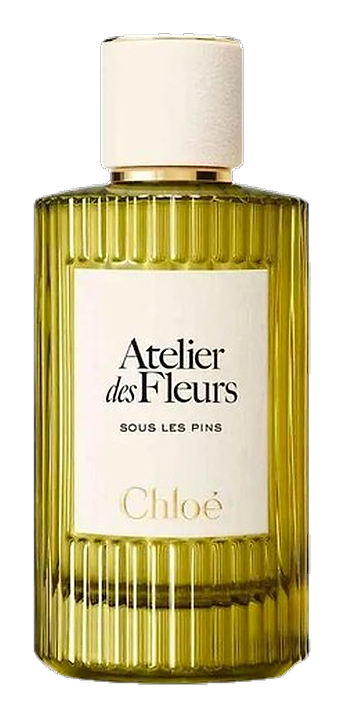
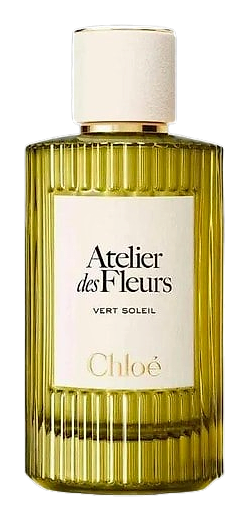
Cedrus occupies a quiet corner of the Atelier des Fleurs lineup, a fragrance that prefers to linger rather than announce itself. It doesn't compete for attention, yet those who encounter it tend to remember it. The scent works equally well in professional settings and in more private moments, adapting to the wearer rather than demanding to be noticed. Within the broader collection, it stands out for the way it balances woodsy richness with unexpected freshness, creating something that feels grounded and natural without being heavy or imposing.