
The Story
Why it exists.
The beginning
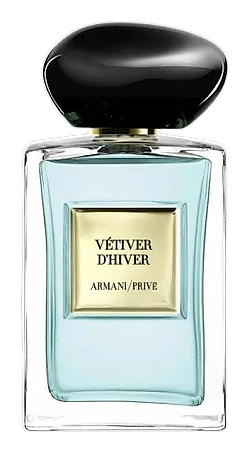
The name is the first clue. Vétiver d'Hiver, Winter Vetiver, a paradox in citrus. Released in 2008 as part of Giorgio Armani's Les Eaux collection, it arrived as a counterpoint to the aquatic freshness that had defined the house since Acqua di Giò rewrote the rules in 1996. Alberto Morillas built the composition around the idea that winter warmth comes not from heaviness but from contrast. The bright citrus top dissolves quickly, leaving space for the vetiver and patchouli foundation to do their work. This was Morillas making a statement about restraint, about the elegance of knowing when to step back.
The choice of vetiver as the signature note speaks to a philosophy of understated complexity. Rather than building a winter fragrance around heavy resins or sweet orientals, Morillas selected a material known for its clean, almost mineral character. The pairing with patchouli adds just enough earthiness to suggest cold ground without falling into darkness. This is winter as clarity rather than heaviness. The citrus opening serves as the counterpoint, proving that even in the coldest months, there is room for brightness. The composition rewards patience. Those who judge it by the first spray miss the point entirely.
The evolution
The fragrance begins with an immediate citrus statement that feels almost paradoxical in winter context. Bergamot, lemon, and mandarin orange create an opening that seems to reject the season it inhabits. Within twenty minutes, pink pepper begins to assert itself, adding a subtle warmth that hints at the direction to come. Cardamom follows, its sweet-spicy character softening the composition as coriander introduces a faint herbal counterpoint. The transition to the drydown marks the true beginning of Vétiver d'Hiver's character. Vetiver takes center stage, bringing its distinctive smoky, slightly sweet woodiness. Patchouli wraps around the vetiver, adding depth and a faint earthiness that grounds the entire experience. The evolution tells a story of release, the bright citrus giving way to warmth giving way to earth.
Cultural impact
Vétiver d'Hiver arrived in 2008 and earned the Fragrance Foundation's Men's Luxury Fragrance of the Year, the same year it launched. It occupies a specific space: for the person who wants vetiver's earthiness but finds traditional masculine vetivers too aggressive. Where Acqua di Giò defined daytime aquatic freshness for a generation, Vétiver d'Hiver quietly became the evening alternative, refined, close-wearing, unafraid of restraint.