
The Story
Why it exists.
The beginning
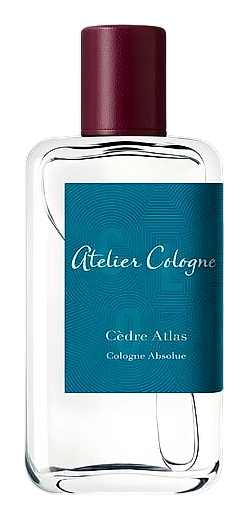
Jérôme Epinette built Cèdre Atlas around a single material: Atlas cedarwood. The 2015 release came as part of the Collection Azur, a line celebrating the house's fifth anniversary with fragrances meant to push cologne beyond its traditional limits. Epinette structured the composition to let the cedar exist without dominating. Citrus and apricot play supporting roles, brighteners, softeners, keeping the wood present while preventing it from overwhelming the blend. This careful layering creates a fragrance where each element breathes alongside the others, achieving a balance that feels both grounded and airy at once.
The apricot in the heart is an unusual choice in masculine-leaning compositions. It adds a stone-fruit warmth that could read girlish in lesser hands, but here it serves something else: a middle ground between the citrus opening and the woody base. It makes the handoff smoother, keeps the fragrance from feeling like two separate parts. The white amber in the base does similar work, skin-warmth rather than projection, a quiet anchor rather than a statement. Combined with Haitian vetiver and Indian papyrus, the base creates a mineral-earthy foundation that lingers close, reinforcing the cedar without competing with it.
The evolution
The opening hits bright and tart, Sicilian lemon and Calabrian bergamot cutting through, sharpened by French blackcurrant bud. There's an almost green quality to the blackcurrant, a bud-tartness that lifts the citrus above the ordinary. Within 30 minutes, the heart begins to assert itself. Egyptian jasmine appears first, sweet and slightly indolic, then the apricot warmth arrives and merges with the cedar's pencil-shaving mineral character. The jasmine doesn't fight the woods, it slips between them. The drydown is where patience pays off. The jasmine recedes. The cedar and vetiver remain, with papyrus adding a dry, papery quality and white amber providing warmth close to the skin. The scent moves from citrus freshness through a floral-woody middle phase to a warm, intimate woody finish, each stage arriving gradually without harsh transitions.
Cultural impact
The 2015 release of Cèdre Atlas arrived as Atelier Cologne celebrated its fifth anniversary, part of the Collection Azur alongside Figuier Ardent, Mandarine Glaciale, and Sud Magnolia. These fragrances explored the house's vision of what a cologne could be, each one structured around a central theme that moved beyond conventional citrus interpretations while maintaining the immediacy and clarity that defines the cologne family. The collection represented an expansion of the brand's identity during a pivotal moment in its growth.