French blackcurrant bud
A green, fruity, slightly animalic bud note that adds extraordinary freshness and natural depth to fragrances. French blackcurrant bud absolute captures the living essence of spring in Burgundy's finest hedges.
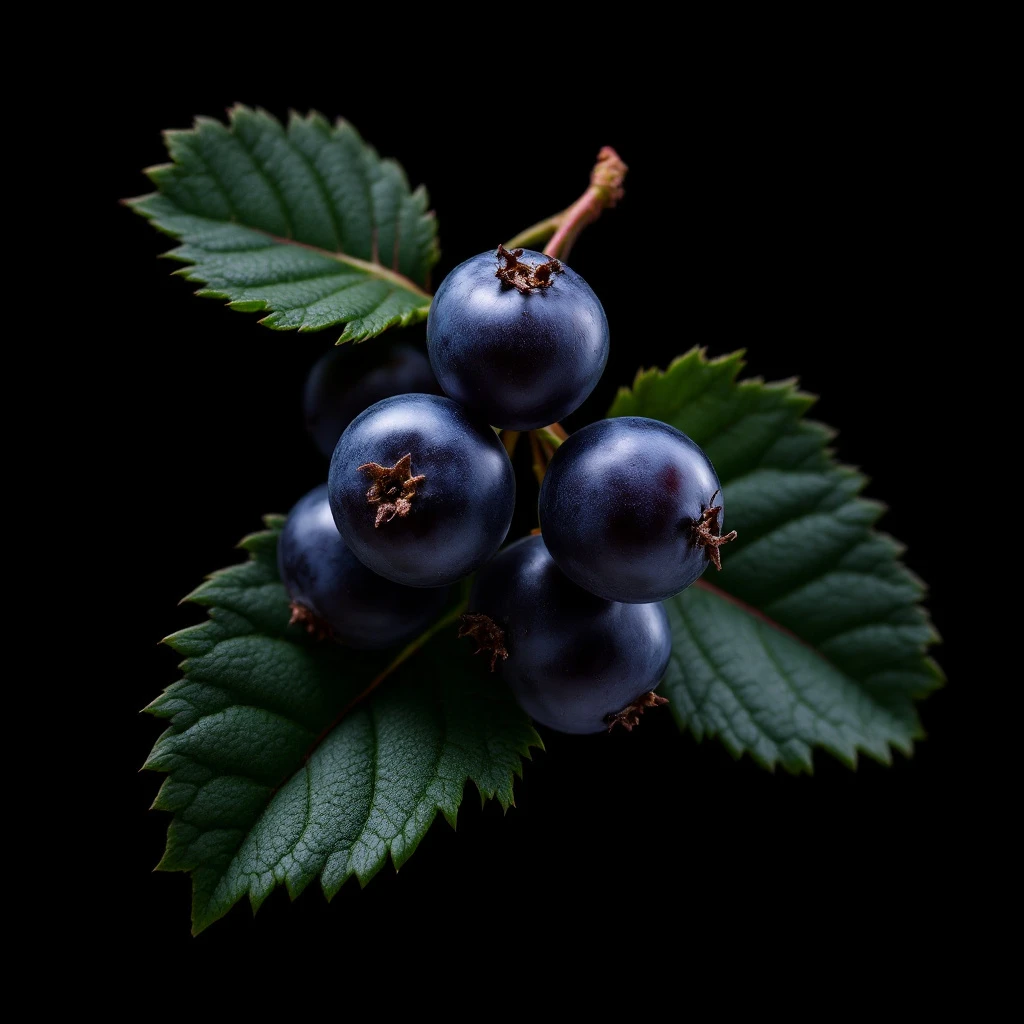
Character
How it smells
Green, fruity, alive: the soul of Burgundy in a bud.
French perfumers only began using blackcurrant buds for fragrance in the 1960s, despite the plant being cultivated in France since the 16th century.







Origin
France
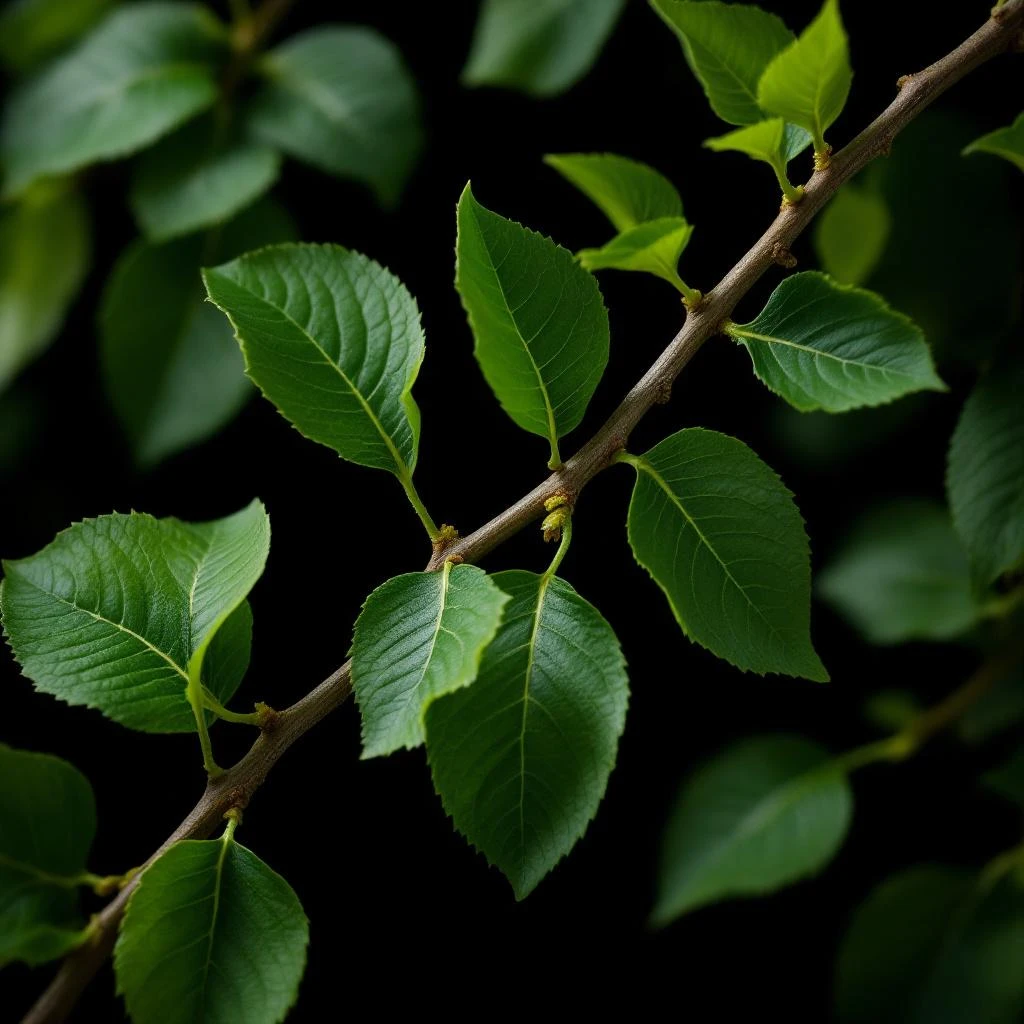
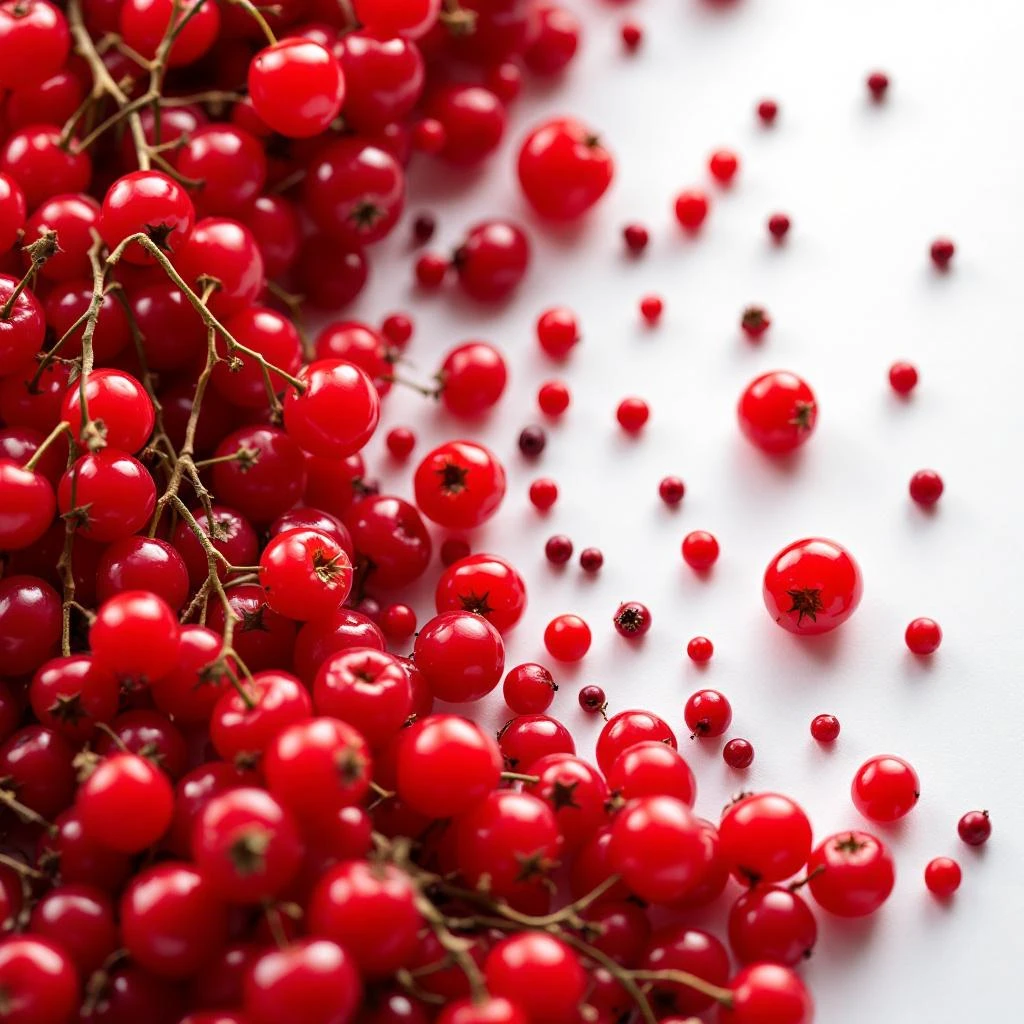
Blackcurrant holds deep roots in French culture, cultivated in Burgundy since the 16th century. The region became so associated with the berry that crème de cassis, invented in Dijon in 1841, cemented blackcurrant as emblematic of Burgundy.
Yet despite this culinary prominence, perfumers largely overlooked the buds. Only in the 1960s did forward-thinking farmers begin cultivating blackcurrant specifically for perfumery, recognizing the buds as a valuable agricultural crop beyond fruit production.
French fragrance houses, historically reliant on synthetic cassis bases, discovered that natural bud absolute offered something artificial versions could not: a greener, lighter, more nuanced character with authentic depth. Today, Burgundy leads global blackcurrant production for perfumery, and French blackcurrant bud absolute carries an appellation d'origine contrôlée designation.
Wears it best
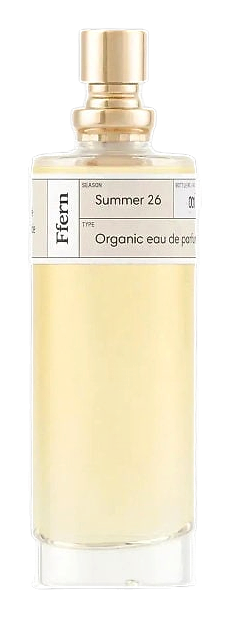
Fragrances featuring French blackcurrant bud
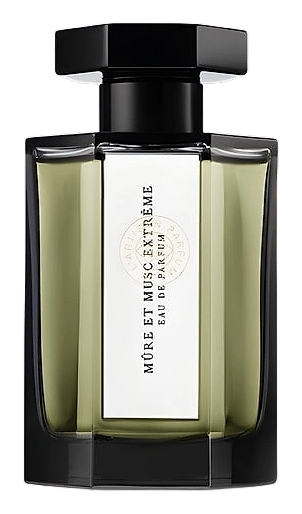
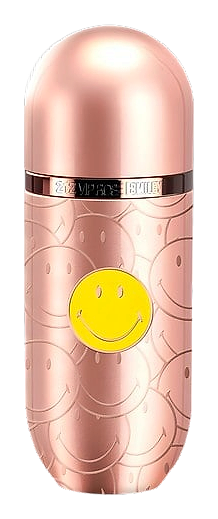
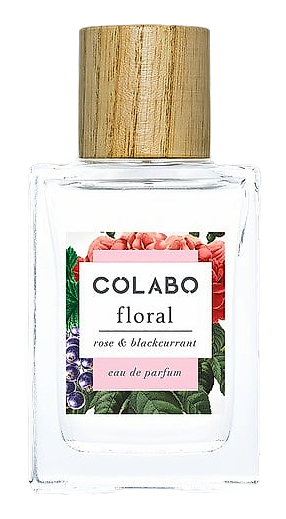
Brands
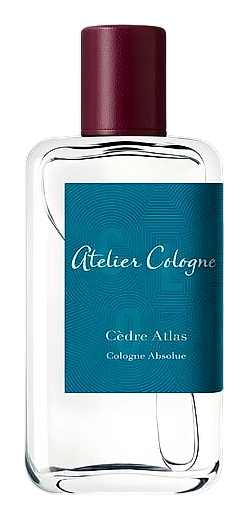
Brands known for French blackcurrant bud
Good to know
Questions, answered
The essentials on French blackcurrant bud in perfumery: how it smells, where it comes from, and how it behaves on skin.
What does French blackcurrant bud smell like?
French blackcurrant bud absolute smells green, fruity, and surprisingly light with subtle animalic undertones. It differs from the candy-like artificial cassis note by offering a more natural, fresh character with herbal depth that synthetic versions cannot replicate.
Why is Burgundy the only source for this ingredient?
Burgundy leads global blackcurrant cultivation and holds an appellation d'origine contrôlée designation for this ingredient. The region's climate and soil conditions produce buds with the specific aromatic profile perfumers require.
When are blackcurrant buds harvested?
Harvesting occurs in early spring when the tiny buds are at peak aromatic potential. Hand-collection ensures only the finest, most aromatic buds proceed to extraction, making this a labor-intensive process.
How is blackcurrant bud absolute produced?
The buds undergo solvent extraction, yielding a viscous greenish-brown absolute. This method preserves the complex aromatic profile, including green, fruity notes and subtle animalic undertones that heat-based methods would compromise.
How does natural absolute differ from synthetic cassis?
Natural blackcurrant bud absolute registers as greener and lighter than synthetic berry bases. Artificially constructed cassis tends toward sweet, jammy character; natural bud absolute offers herbal freshness and authentic depth.
When did perfumers start using blackcurrant buds?
Perfumery use began around 1960 when farmers first cultivated blackcurrant specifically for fragrance. Before this, synthetic alternatives dominated, despite the berry's culinary fame since the 1841 invention of crème de cassis.
What fragrances feature blackcurrant bud?
Blackcurrant bud absolute appears in sophisticated women's fragrances seeking natural fruity-green character. It works as a heart note or brightening accent, adding freshness without the sweetness of artificial berry accords.
Is blackcurrant bud absolute still rare?
Yes. Production remains concentrated in Burgundy with limited annual output. The hand-harvesting requirement and regional specificity keep this ingredient exclusive, used primarily by luxury fragrance houses.