The Story
Why it exists.
The beginning
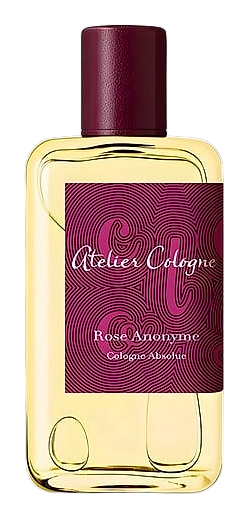
Rose Anonyme arrived in 2012 from Jérôme Epinette, a perfumer with a clear point of view. The name says it all: anonymous. A rose that doesn't announce itself, that wears its identity quietly until suddenly it doesn't. Epinette built this around Turkish rose absolute, not to make something feminine, but to make something true. The ginger and bergamot open the door. The oud and frankincense change what you thought you knew about roses. It's a fragrance about the moment a quiet thing decides to stop being quiet.
The unusual move here is building the entire pyramid around one material. Turkish rose absolute appears in the top, in the heart, in the drydown, but each phase uses it differently. The opening is crisp and green. The heart turns animalic and warm. The base makes it feel like a secret being kept. Most fragrances use rose as a feature. Rose Anonyme makes it the foundation, the walls, and the roof. That structural choice is what makes it interesting, it behaves like a cologne for the first twenty minutes, then reveals it was something else the whole time.
The evolution
Twenty minutes in, the bergamot is gone. What replaces it is stranger and better: the rose absolute has taken the ginger's warmth and turned it inward. The oud arrives not as a bold statement but as a depth, something felt rather than announced. Somalian frankincense adds a faint churchy smoke, like incense from the next room. By hour three, the Turkish rose has become something darker and more resinous than its name suggests. The sillage drops to close skin. The drydown, benzoin, papyrus, patchouli, doesn't project but it doesn't quit. Lasts a full workday on most skin. On fabric, it can carry into the next morning, still warm, still present, still not quite what you expected when you first sprayed it.
Cultural impact
Rose Anonyme occupies an interesting position in the oud-rose conversation. Unlike fragrances that use oud as a dominant force, this one keeps it subordinate to the rose, which means it reads as approachable even to people who typically find oud too heavy. Released in 2012, it arrived during a period when Western audiences were beginning to explore oud as a mainstream fragrance note. Its particular achievement was making that exploration feel comfortable rather than confrontational. The house's broader philosophy of bringing haute parfumerie ambition to the cologne format finds its clearest expression here.