
The Story
Why it exists.
The beginning
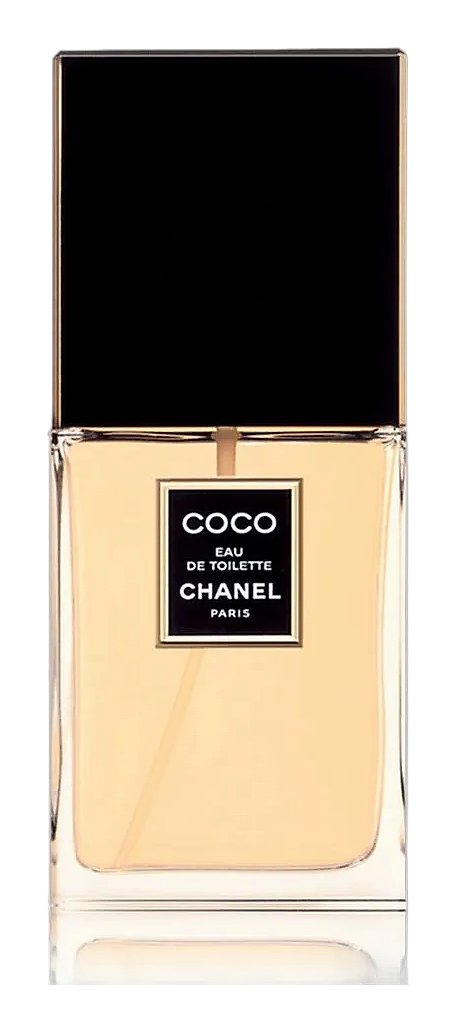
Coco EDT arrived in 1984, created by Jacques Polge for the House of Chanel. The brief was to build a fragrance around a warm foundation that would serve as the structural backbone, not merely background texture. Polge achieved this by centering the composition on benzoin, frankincense, honey, and civet, which give the fragrance its distinctive richness and depth. This was not a soft, polite oriental. It was bold, complex, and designed to endure on the skin rather than evaporate within an hour. The house philosophy of timelessness over trends is visible in every layer, from the warm spice heart to the resinous base that holds the composition together decades after its creation.
Polge structured the composition so that spice notes appear in the heart rather than the opening, which is unusual and intentional. This placement means the warm spice character arrives as the fragrance develops rather than as a first impression, creating a layered experience that rewards patience. The warm notes in the base, particularly benzoin and honey, were chosen to provide the backbone Polge described. They are not decorative additions but structural elements that give the fragrance its weight and longevity. The amber, civet, and tonka bean create a drydown that feels luxurious without being aggressive, making the fragrance approachable for those who might otherwise find bold orientals intimidating.
The evolution
The opening is mandarin orange and frangipani, bright and tropical, with coriander and allspice adding an aromatic warmth that signals the fragrance's intentions immediately. As the citrus fades, the heart emerges: ylang-yllang and orange blossom provide a creamy, golden floral character, supported by rose, jasmine, and iris for complexity. Angelica and cinnamon introduce warm spice into the heart, giving this phase a richness that feels neither purely floral nor purely oriental but somewhere between. The drydown is where the fragrance becomes truly memorable: benzoin and frankincense create a resinous foundation, honey adds sweetness, civet introduces animalic warmth, and amber, patchouli, tonka bean, and musk extend the scent for hours into a soft, enveloping warmth.
Cultural impact
Coco holds a particular place in the oriental category, one that rewards those who take time to understand it. The warmth and spice interact in ways that create something distinctive, not through excess but through careful construction. The powdery quality in the drydown emerges gradually, giving the fragrance a softness that lingers on the skin. Those who wear it regularly often find that it becomes more interesting with each wearing, revealing facets that a first encounter might miss.