The Story
Why it exists.
The beginning
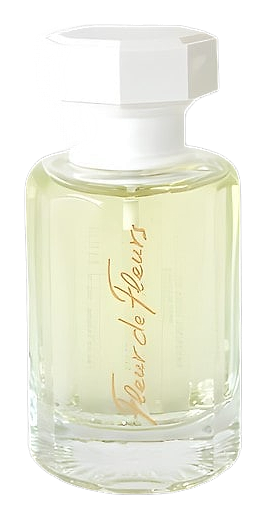
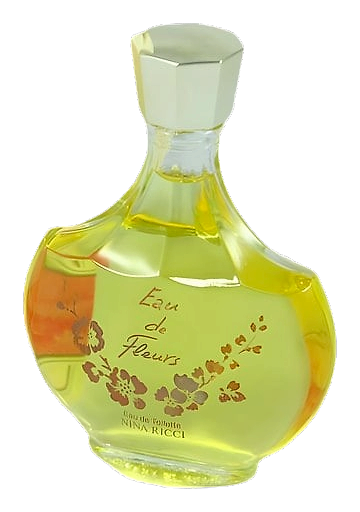
Betty Busse designed Eau de Fleurs in 1974, a period when the house was deepening its olfactory identity beyond the monumental success of L'Air du Temps. Where that fragrance captured peace and timelessness, Eau de Fleurs went after something more specific, the raw material of a garden before noon. Busse was working from the architecture of a green chypre, layering crisp citrus and green notes against a heart that bulged with white florals. The name itself is literal: water of flowers, the raw botanical material translated into liquid. It wasn't trying to be subtle. The abundance was the point.
The heart of Eau de Fleurs holds nine materials, hyacinth, rosemary, cyclamen, jasmine, lilac, lily of the valley, magnolia, orange blossom, ylang-ylang. That's not a formula for subtlety. It's an argument. Busse used the rosemary and cyclamen to keep the florals from going entirely sweet, adding an herbal, slightly metallic coolness that reads as green rather than girlish. The ylang-ylang grounds the top with warmth underneath the coolness, which is the kind of balancing act that separates a green chypre from a fresh citric. Sandalwood in the base doesn't ground so much as soften, the wood becomes skin-like rather than sharp, which is the move that keeps the whole thing from becoming a potpourri.
The evolution
The opening hits crisp. Bergamot, lemon, green notes, the air feels cooler than it actually is. That sharpness holds for thirty to forty-five minutes while the citrus fades faster than you'd expect, leaving the green notes to carry the first act alone. Then the florals arrive. All of them. Hyacinth leads with its characteristic slightly animal, waxy sweetness, and the jasmine and ylang-ylang pile in behind it. For about two hours, this is an intensely floral fragrance, the kind that reads as lush rather than delicate. The rosemary keeps appearing as a cool, herbal counterpoint, preventing the composition from going entirely warm. Around hour three, the musk begins to assert itself, softening the florals from inside rather than covering them. By hour four, the sandalwood has arrived fully, and the whole thing has become a skin-warm white floral with soft wood underneath, not loud anymore, but present. The final drydown is quiet intimacy. If you put your wrist to your nose six hours in, you'll find something clean and close, the ghost of petals and warm wood.
Cultural impact
Eau de Fleurs exists in a specific moment of perfumery history, the 1970s green chypre era, when houses were experimenting with herbal-floral structures that read as both natural and complex. Betty Busse was working within that tradition, producing a fragrance that captured the abundance of a white-floral garden before the morning heat arrives. It's been discontinued, which gives it the quality of something found rather than sought. For collectors, it represents a particular kind of 1970s feminine fragrance, lush without being sweet, green without being sharp, romantic without being soft.