The Story
Why it exists.
The beginning
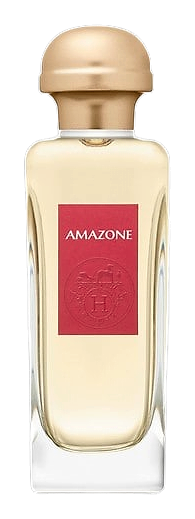
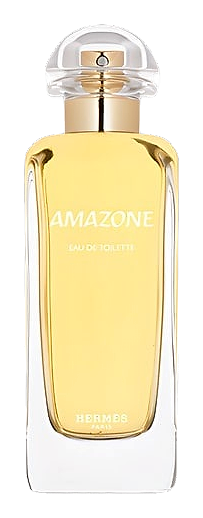
Hermès named this fragrance after the Amazons, the mythological female warriors who lived, rode, and ruled on their own terms. In 1974, perfumer Maurice Maurin created a scent for a woman who existed outside conventional expectations. The name carries weight, a direct reference to strength and autonomy rather than a subtle allusion. Maurin built the composition around blackcurrant bud, a material that sits between fruit and flower, between the green and the grown. That tension, between sharpness and softness, between nature and refinement, is where Amazone lives. The bud itself offers an unusual duality, its green and tart qualities threading through the heart of the fragrance like a through-line that connects each layer to the next.
The green floral chypre structure was never accidental. Maurin used blackcurrant bud as the organizing principle, pulling galbanum, hyacinth, and jasmine into a conversation that suggests more than it announces. What makes this composition interesting is the powdery quality that builds slowly, not the aldehydic soap of earlier decades but something quieter, almost waxy, that makes the florals feel velvety rather than bright. The vetiver in the base keeps everything grounded, earthy, honest.
The evolution
The opening arrives bright and tart, bergamot and geranium cutting through with a vegetal crispness that feels almost morning. Galbanum adds a feral edge, the smell of crushed stems and living green. Then the flowers arrive. Lilies-of-the-valley first, with that characteristic powdery sweetness, followed by iris doing what iris does: adding velvet. The rose is not dramatic here; it reads as quiet, its presence felt more than announced. Within an hour, the oakmoss announces itself, bringing forest floor, damp earth, the smell of a world that is not manicured. The drydown settles into something warm and woody, cedar and amber holding the green-vetiver foundation close to the skin, intimate enough to be discovered rather than announced. The progression moves from crispness to softness, from brightness to depth, as the fragrance evolves on the skin throughout the day.
Cultural impact
Amazone remains in production, a rarity among 1970s fragrances. For collectors, it represents a particular moment in perfumery when green notes and chypre structures were being reimagined after the aldehydic florals that dominated earlier decades. Those who seek it out tend to be looking for something specific: a vintage structure, a powdery floral heart, and a complexity that reveals itself slowly over hours of wear. Amazone rewards attention. Its layers unfold at their own pace, the green opening giving way to florals that feel both delicate and resilient, and a base that keeps the composition grounded long after the initial spray.