The Story
Why it exists.
The beginning
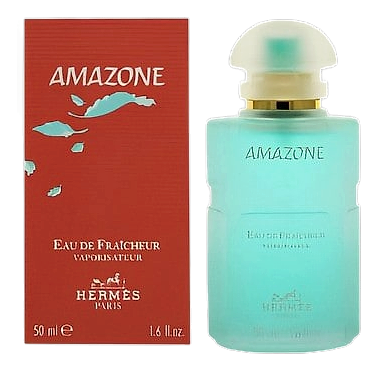
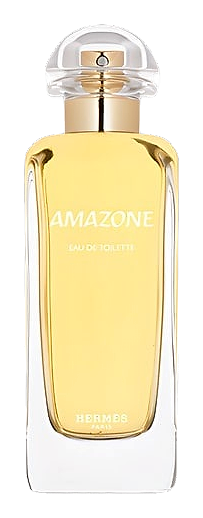
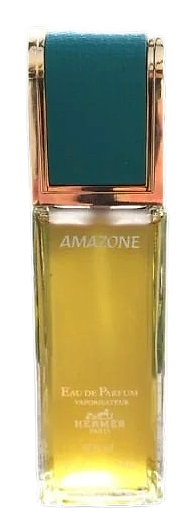
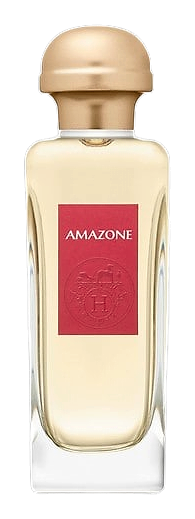
Amazone began as a novel, a composition written by Maurice Maurin in 1974. The name arrived fully formed: Amazone, after the mythical horsewomen who ruled the shores of the Black Sea. Warriors who refused the terms history tried to write for them. The fragrance opens with blackcurrant buds, their green, almost mentholated brightness cutting through the air before the heart takes hold. Galbanum anchors the composition with its raw, vegetal intensity, keeping the florals from becoming precious. Narcissus arrives waxy and golden, surrounded by red fruits that lend sweetness without softness. Vetiver grounds the base, its earthy, smoky character holding everything together as the fragrance evolves across the skin.
What makes Amazone's note structure interesting is the tension between its top and heart. Blackcurrant and galbanum open bright and tart, almost sharp enough to cut, green in the most literal sense, like biting into an unripe fruit. But the heart doesn't follow where you'd expect. Instead of deepening into sweetness, the narcissus and red berries arrive with a waxy, golden quality that feels sunlit rather than dark. The vetiver base keeps everything honest. No powder, no softness for softness's sake. Just a green floral chypre that knows what it is.
The evolution
The opening is all blackcurrant, tart, bright, immediate. Within minutes, galbanum arrives like crushed stems, adding a bitter green edge that prevents anything too sweet. The hand-off to the heart happens around 20-30 minutes in, when the blackcurrant recedes and the narcissus takes center stage. That's when Amazone becomes something else entirely: waxy, slightly indolic, with red berries adding a fleeting sweetness that the galbanum keeps in check. The drydown, three to four hours in, belongs to the vetiver, smoky, earthy, root-like. It lingers close to the skin but refuses to disappear. On fabric, it can last into the next day.