The Story
Why it exists.
The beginning
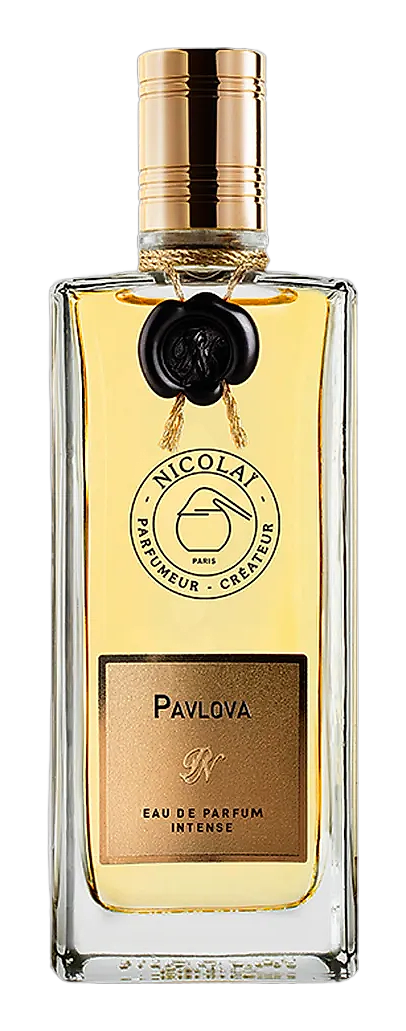
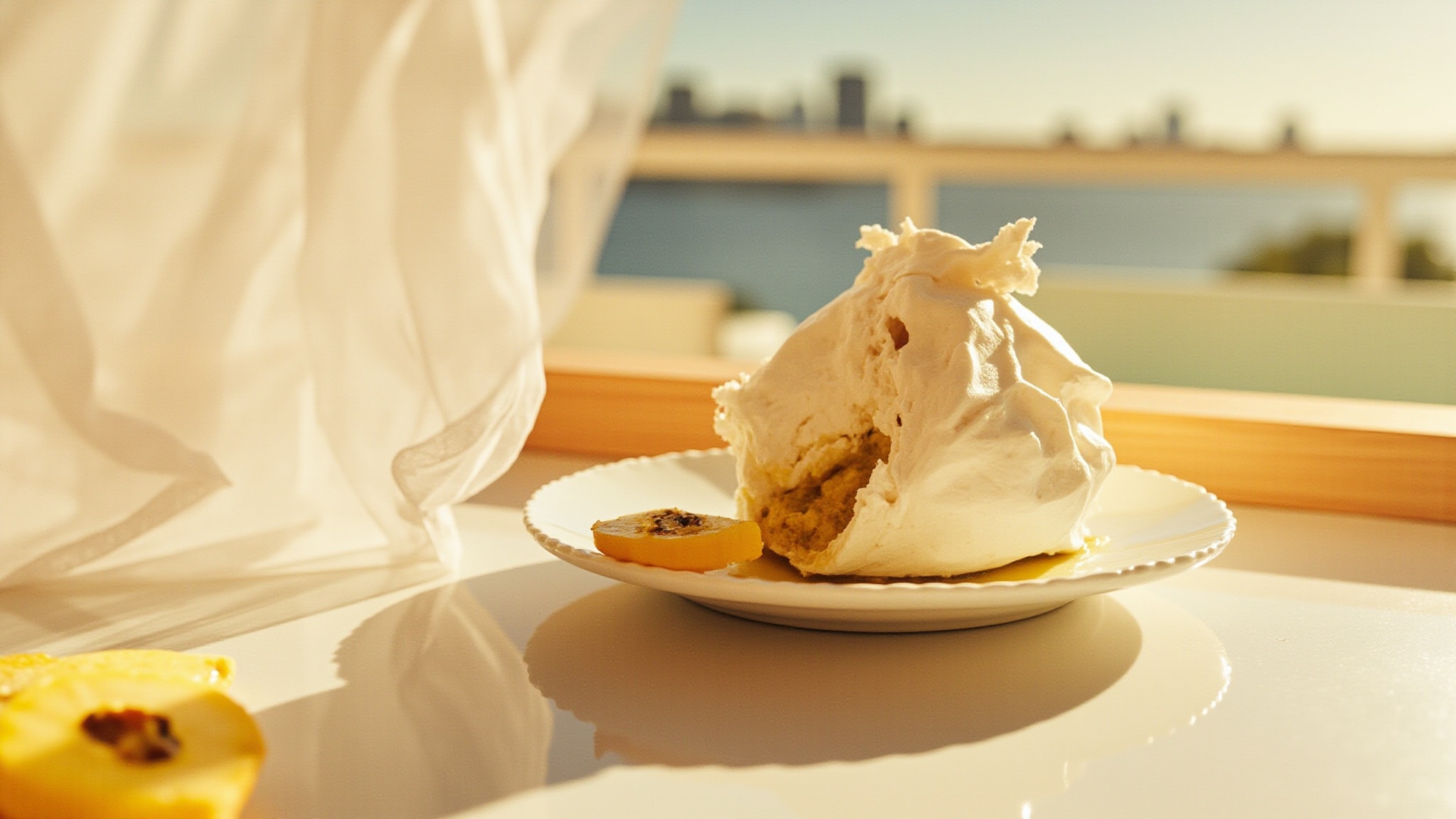
Patricia de Nicolai named this one after the famous dessert, a confection of meringue, whipped cream, and fresh fruit. The ballet dancer Anna Pavlova came first, inspiring the dish, which in turn inspired this fragrance. Lightness is the whole point: both the dancer's movement and the dessert's texture exist in that space between air and presence. Nicolai translated that into scent, bright tropical fruits, creamy coconut, and a vanilla warmth that stays close to skin, creating something that feels indulgent without weight but isn't afraid to be seen.
Fruit acids meeting cream. That's the tension at the heart of Pavlova, the same tension that makes the dessert work. Tangy pineapple and passion fruit give the opening a brightness that reads almost tart, like biting into fresh fruit before the sweetness catches up. Raspberry adds a slight bitterness that keeps the heart from becoming just sweet. The coconut doesn't read like sunscreen or piña colada, it's creamier, softer, a textural note that makes the whole thing feel edible without going full gourmand. Cedar and sandalwood are the answer to the question of whether it stays interesting: yes, they ground the sweetness in something dry and woody. Vanilla and musk anchor everything in the base.
The evolution
The opening three notes hit the same moment, rum, pineapple, passion fruit arriving together in a burst that's louder than you'd expect from the name. That rum note is the surprise. It doesn't read as alcoholic or harsh; it's more like a warm sweetness that amplifies the tropical fruits without adding sharpness. Within the first hour, coconut takes over the conversation. The pineapple steps back but doesn't disappear. By hour two, the heart phase settles in, raspberry and peach come forward with a creaminess that was there all along, underneath the bright top notes. This is the phase that feels skin-warm, the phase you'd want to press your nose to someone's collar to find. The drydown takes its time. Musk and vanilla build slowly over hours four into six, and on some skin types this stretches further. The cedar and sandalwood keep it from going fully sweet in the base, it stays grounded, slightly powdery, the woods reading as more powder than forest. That vanilla-musky cloud that lingers? That's the tell. That's what makes people ask what you're wearing.
Cultural impact
The name Pavlova carries a layered cultural weight spanning continents and centuries. Anna Pavlova, the celebrated Russian ballerina whose delicate performances captivated audiences in the early 20th century, inspired the creation of this meringue dessert in Australia and New Zealand, origins still debated today. The dessert became a symbol of cross-cultural exchange, blending Russian artistic heritage with Southern Hemisphere culinary creativity. This cultural fusion mirrors the fragrance itself, which unites tropical fruits native to the South Pacific with the warmth of rum and the classical structure of French perfumery. The naming elevates Pavlova beyond mere sweetness, connecting it to a legacy of artistic excellence and culinary innovation.