Cassia
Cassia brings warm, spicy depth to fragrances with its bold cinnamon character. Native to southern China, this ancient ingredient has perfumed creations for over two millennia.
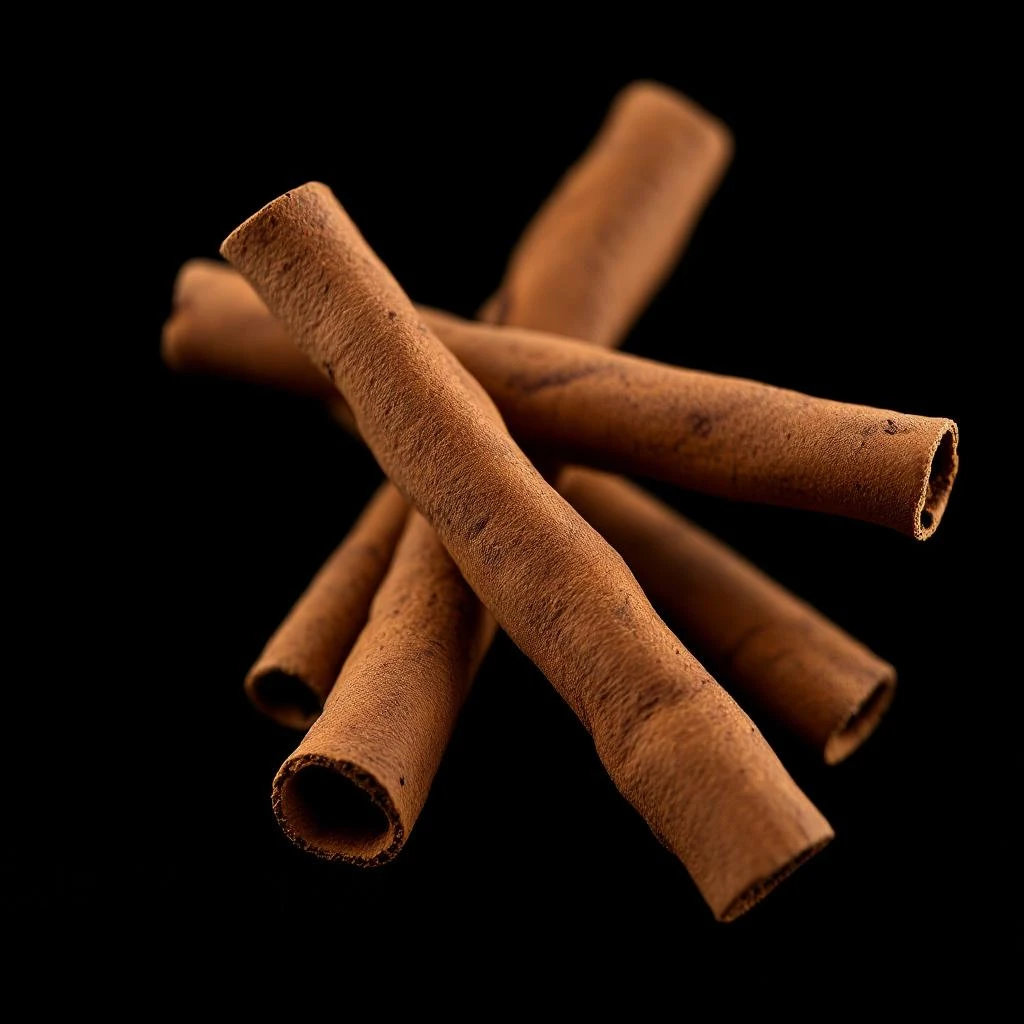
Character
How it smells
Ancient spice, timeless warmth
Egyptian priests used cassia in their sacred oils 3,000 years ago, believing it held protective powers against evil spirits.







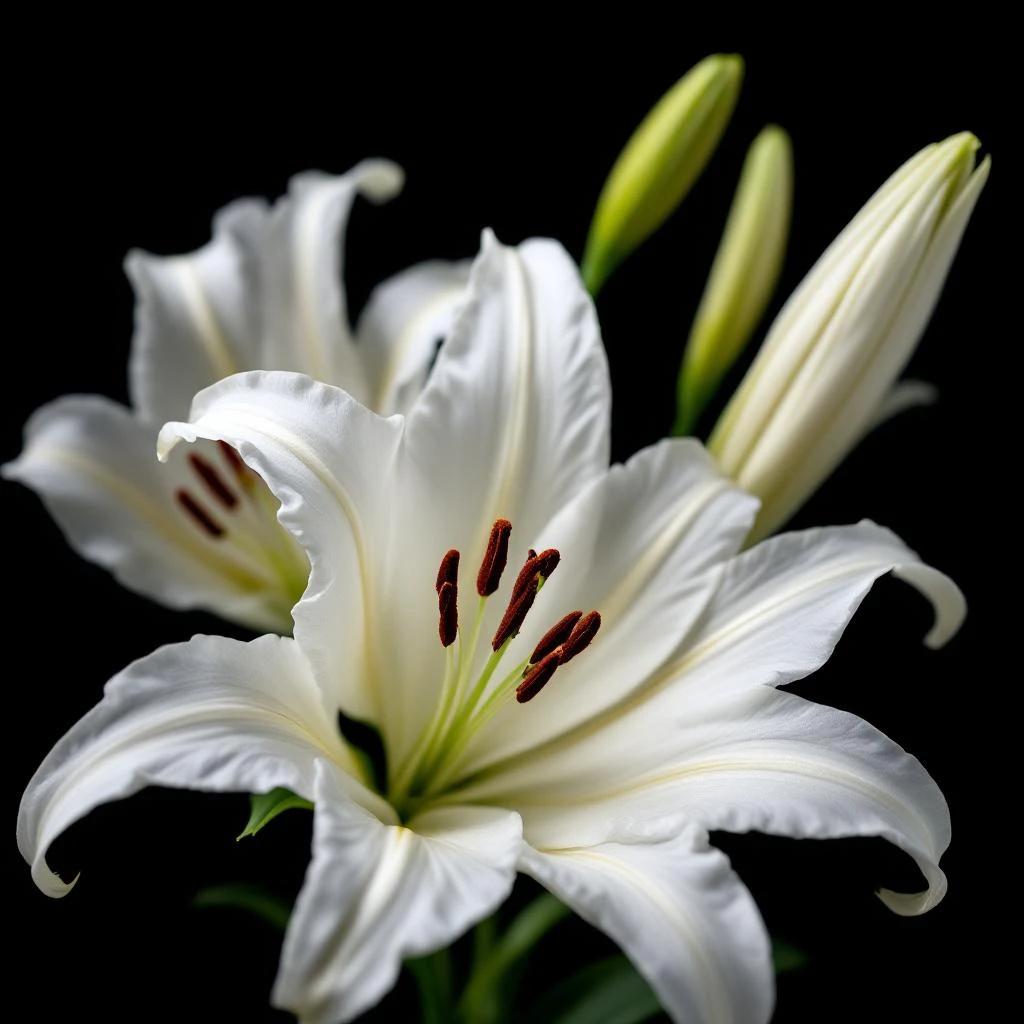

Origin
China
Egyptian priests used cassia in their sacred incense blends as early as 1500 BCE. They combined it with myrrh, lily, and other botanicals in complex recipes reserved for temples and royal courts. The Hebrew Bible mentions cassia among the sacred anointing oils described in Exodus, highlighting its spiritual significance in ancient religious practice.
Chinese texts document cassia cultivation and use in traditional medicine and perfumery from at least 200 BCE. Southeast Asian cultures valued the spice for centuries before Arab traders introduced it to Mediterranean civilizations along the incense routes. European demand grew significantly after Venetian merchants established regular trade with the East, where cassia became a luxury commodity prized for its medicinal and aromatic properties.
Traders used it in pomanders, scented waters, and early perfume compositions. The spice eventually inspired the warm, intensely spiced profile that defined the oriental fragrance family. Many classic oriental perfumes from the early 20th century featured cassia as a key ingredient, and perfumers continue to use it today for its distinctive warm, spiced character.
Wears it best
Fragrances featuring Cassia



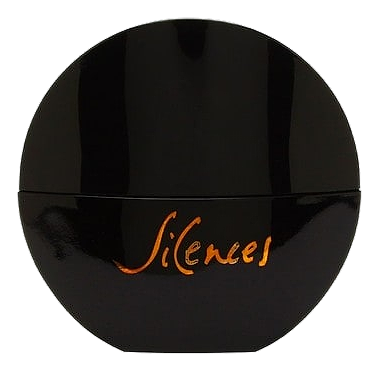

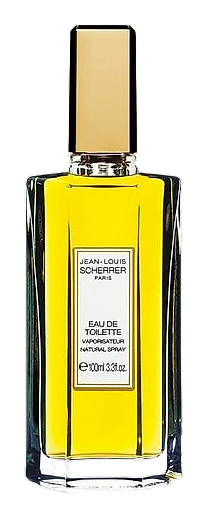
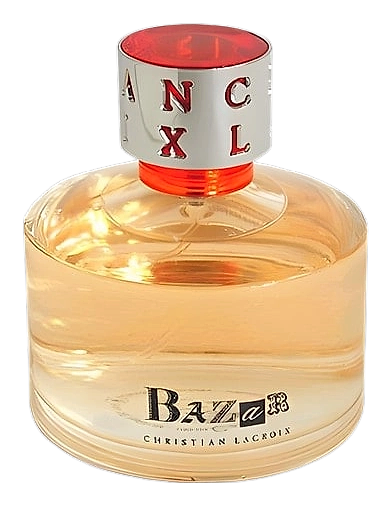
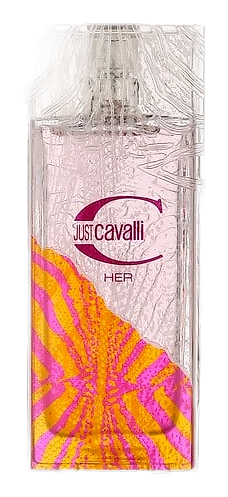
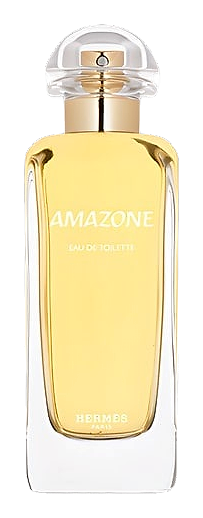

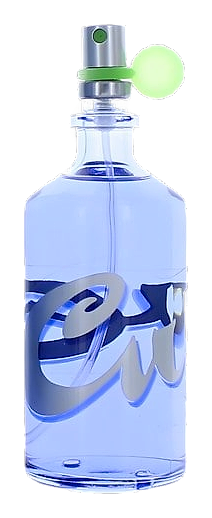
Brands
Brands known for Cassia
Good to know
Questions, answered
The essentials on Cassia in perfumery: how it smells, where it comes from, and how it behaves on skin.
What is cassia in perfumery?
Cassia is a species of cinnamon native to southern China, prized for its warm, spicy aroma. Its botanical name is Cinnamomum cassia, distinguishing it from true cinnamon (Cinnamomum verum). Perfumers use it in oriental fragrances for its bold, intense character that has graced creations for over two millennia.
How does cassia differ from regular cinnamon?
Cassia contains higher cinnamaldehyde levels (75-90% versus Ceylon's 50-60%), giving it a bolder, more intense spice. The botanical names differ: Cinnamomum cassia for cassia versus Cinnamomum verum for true cinnamon. Cassia also has a rougher texture and contains more coumarin.
Which fragrance families use cassia?
Cassia belongs to the warm spice family and pairs naturally with oriental ingredients like amber, vanilla, sandalwood, and clove. Perfumers often use it as a heart note in fragrances seeking warm, inviting depth and complexity, particularly in autumn and winter seasonal creations.
Where does cassia bark originate?
Cassia bark comes from southern China, primarily Guangxi and Guangdong provinces. These regions provide the warm, humid climate that Cinnamomum cassia trees need for optimal growth and bark quality, with a history of cultivation spanning over two thousand years.
How do producers extract cassia essential oil?
Steam distillation is the primary method for extracting cassia essential oil. Distillers place dried cassia bark in copper stills with water, apply heat, and collect the aromatic oils that rise with the steam. The resulting oil contains cinnamaldehyde as its primary aromatic compound.
What gives cassia its distinctive aroma?
Cinnamaldehyde makes up approximately 90% of cassia oil, providing the warm, spicy character. Minor compounds like eugenol and coumarin add complexity. The oil has a warm brown color and a distinctly warm, spicy, slightly sweet aroma.
Can cassia oil cause skin reactions?
Cassia oil can cause skin sensitization at high concentrations. Perfumers typically use it at low levels (0.1-0.5% in fragrance compounds) and recommend patch testing for sensitive individuals. Proper dilution reduces risk, and professional formulation guidelines govern its safe use.
In which notes does cassia appear in perfumery?
Cassia functions as both a heart and base note in perfumery. It provides warm, spiced depth to compositions and appears in classic oriental fragrances like Shalimar, Opium, and Coco Mademoiselle. The ingredient pairs well with amber, vanilla, and woody notes to create lasting oriental character.