
The Story
Why it exists.
The beginning
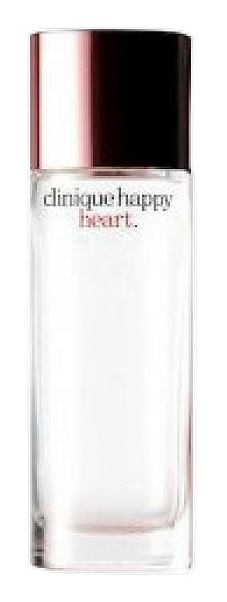
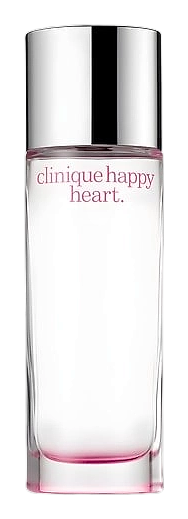
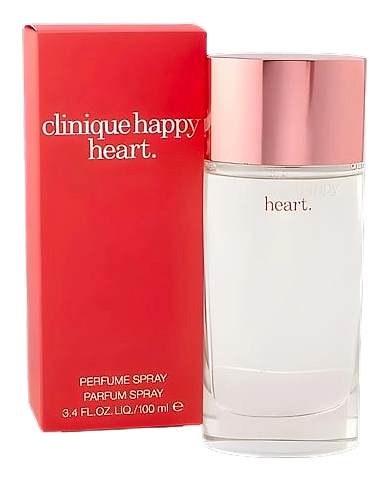
Happy Heart arrived in 2003, when the perfumers Christophe Laudamiel and Olivier Polge set out to capture something specific: the feeling of a morning that hasn't gone wrong yet. The name came first, apparently. Happy Heart. And then the question was how to make a fragrance that earned it. The answer lived in contrast. Bright citrus and cool cucumber at the opening, aquatic florals at the heart, warm blonde woods anchoring everything that came before. It wasn't trying to be complicated. It was trying to be true.
The water hyacinth at the heart is the quiet differentiator here. Not jasmine, not rose, not tuberose. Water hyacinth. An aquatic plant that most people have never consciously smelled, which means it registers as something fresh and unfamiliar without being challenging. Add carrot seed's green, slightly earthy quality, and you have a heart that reads as dewy and alive rather than sweet or floral. The combination is unusual enough to make the fragrance stand out in a crowded fresh-aquatic category, yet approachable enough to wear every day.
The evolution
The opening hits fast. Cucumber and mandarin orange arrive together, ozonic and bright, like the moment you crack open a window and the air hasn't warmed yet. Thirty minutes in, the water hyacinth takes over. It softens everything, makes the citrus feel less sharp, introduces a watery floral quality that keeps the top notes from disappearing entirely. The carrot seed shows up here too, a quiet green counterpoint that prevents the heart from going too sweet. Then the sandalwood arrives. It doesn't rush. It settles close to the skin, warm and intimate, and stays there for the remaining hours. The drydown is blonde woods and sandalwood, close enough to feel like a second skin, far enough to let someone standing next to you catch it only if they lean in. Moderate sillage, moderate projection. It fills an office. It does not fill a room.
Cultural impact
Happy Heart found its audience among people who wanted an everyday fragrance that didn't try too hard. The clean, optimistic character made it a popular choice for office wear and casual daytime use. The 2003 launch placed it in a moment when aquatic notes were becoming mainstream in women's perfumery, but the water hyacinth and carrot seed combination set it apart from the typical fresh-aquatic template. The moderate sillage meant it worked in professional settings without overwhelming a room.
The House
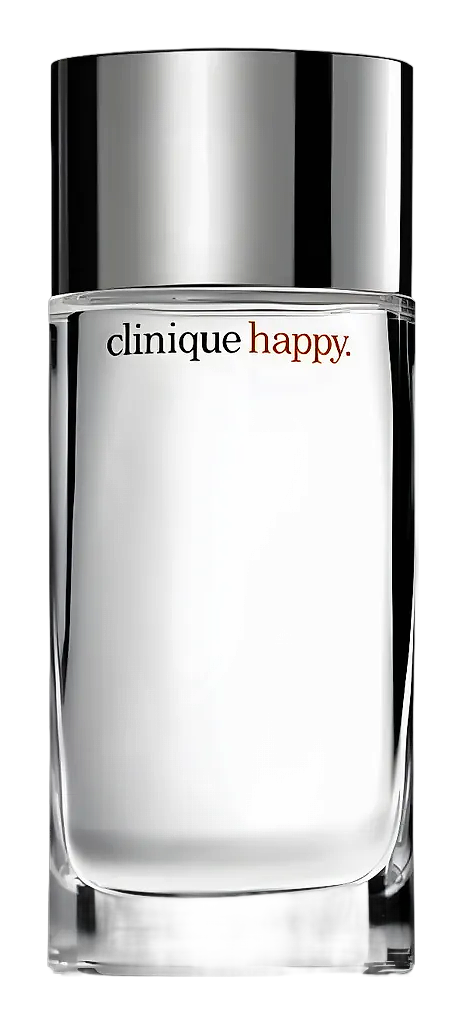
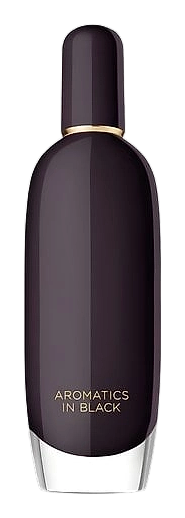
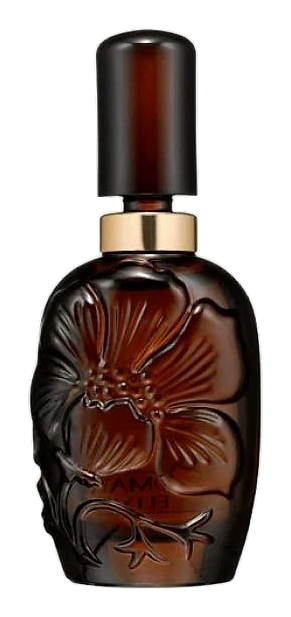
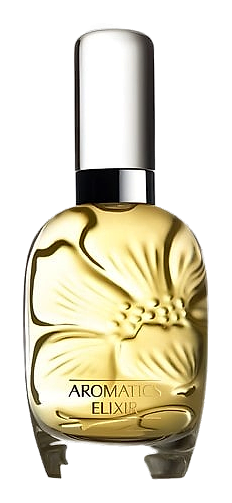
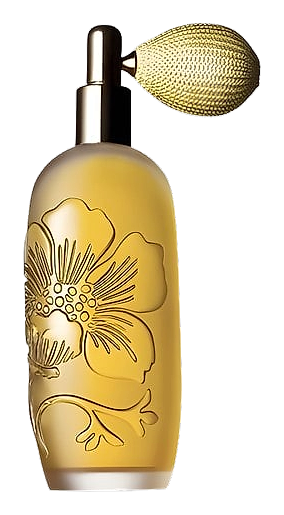
CliniqueClinique entered the fragrance world through the Estée Lauder Companies in 1968, bringing its dermatological expertise to perfume creation. Rather than positioning itself as a traditional perfumery house, Clinique applied its clinical background to fragrance development, emphasizing scientific rigor alongside sensory appeal. The brand's Aromatics Elixir, launched in 1975, became its signature scent and remains in production as one of the oldest continuously sold women's fragrances from a major cosmetics company. Clinique's fragrance portfolio spans multiple decades, with notable releases including Aromatics Elixir Premier (2017), the Perfumer's Reserve series (2011), and the Happy collection that began in 2002. The brand operates as a subsidiary of Estée Lauder Companies, combining pharmaceutical-inspired formulation principles with accessible luxury positioning.
The Creator
Christophe LaudamielChristophe’s signature technique blends rigorous molecular research with theatrical staging. He favors crisp citrus, marine accords, and bright aromatics, then anchors them with unconventional synthetics that add depth.