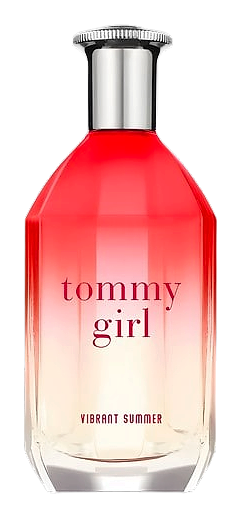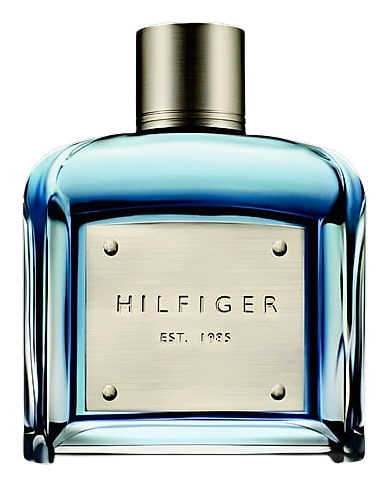

The Story
Why it exists.
The beginning
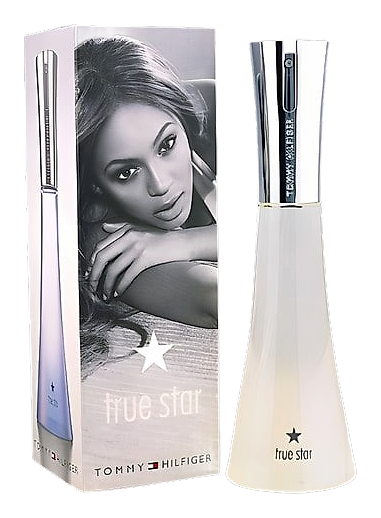
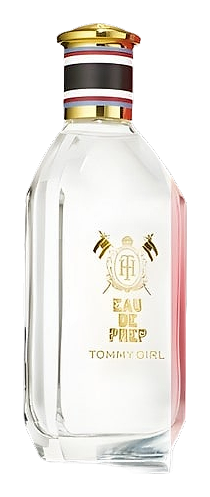
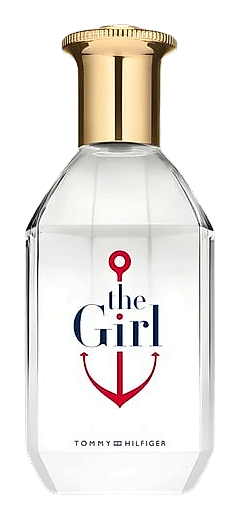
T Girl arrived in 2001 from perfumer Annie Buzantian, designed for women who showed up without needing their fragrance to make the case for them. The early 2000s had a particular energy, optimistic, digital-bridge, a moment when casual American style stopped being a fallback and became the point. This was the fragrance of that moment. Not polished to a shine. Not trying to impress. Just there, confidently, like a good pair of jeans and a shirt you didn't overthink. The name said girl, but the attitude said woman who knows how she wants to smell.
The note structure is where T Girl earns its reputation. Bergamot and mandarin orange open clean and sparkling, textbook American sportswear fragrance territory. The heart is where it gets interesting. Narcissus is not a common choice. It brings a green, slightly bitter edge that sits between garden fresh and laboratory synthetic. Paired with rose and lily, it creates a tension, natural and constructed, soft and sharp. The base of musk, warm woods, amber, and vetiver grounds everything in something approachable. The synthetic facets are not accidental. They are what makes it modern. What makes it specific to 2001. What makes people have opinions about it twenty-plus years later.
The evolution
The opening hits bright, bergamot and mandarin orange, clean, citrus-sparkling, the kind of first impression that reads as effortless. No posturing. About thirty minutes in, the Narcissus starts to emerge. That's where it shifts. The green, slightly bitter garden quality cuts through the citrus sweetness, creating a synthetic-natural tension that defines the heart. The rose and lily don't soften it as much as they complicate it, adding texture without hiding the edge. Two to three hours in, the drydown arrives. The green fades. The florals mellow into something creamier alongside the musk and warm woods. The vetiver keeps it from disappearing entirely. On fabric, it lingers longer than on skin, a quiet trace the next morning, softer than you'd expect.
Cultural impact
T Girl exists in the lineage of American sportswear fragrances, designed for everyday wear, not for occasions. It has its critics. The green, slightly synthetic Narcissus note creates strong opinions, which is itself a form of cultural footprint. A fragrance people feel nothing about disappears. A fragrance people argue about gets remembered.
The House
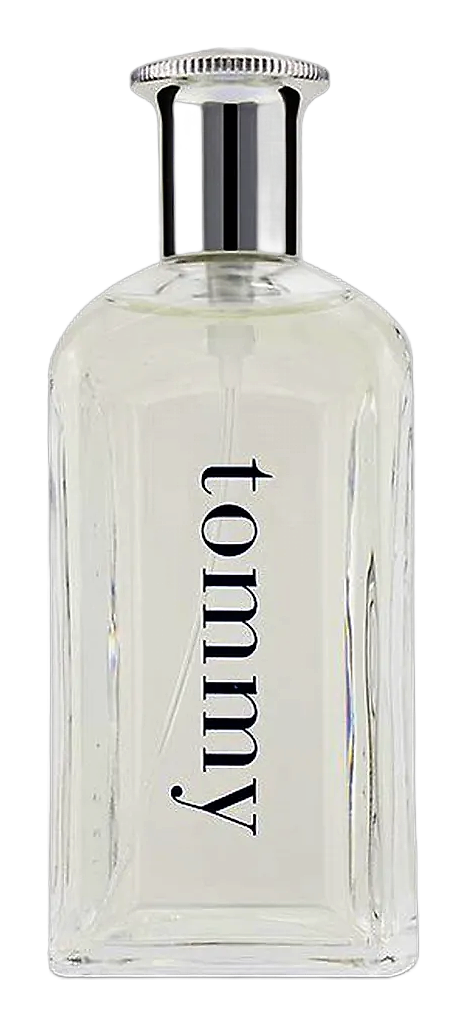
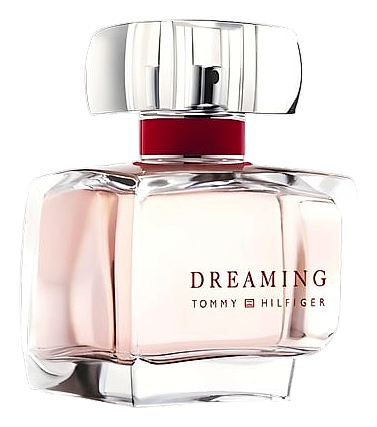
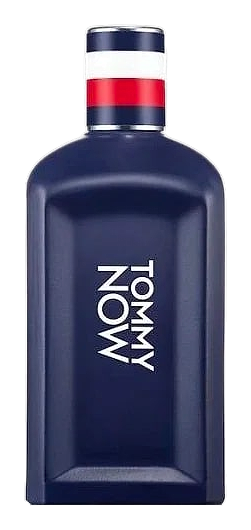
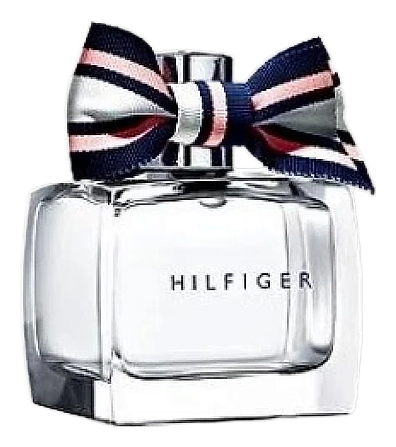
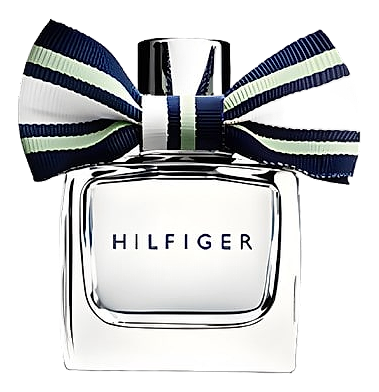
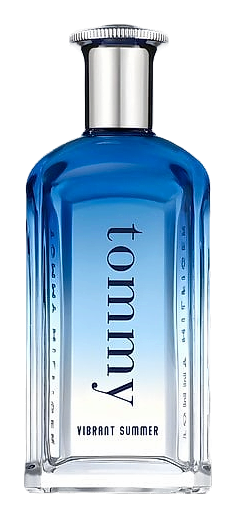
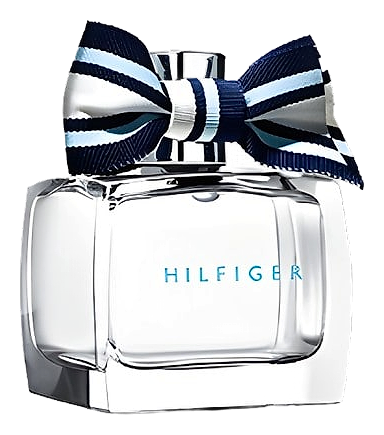
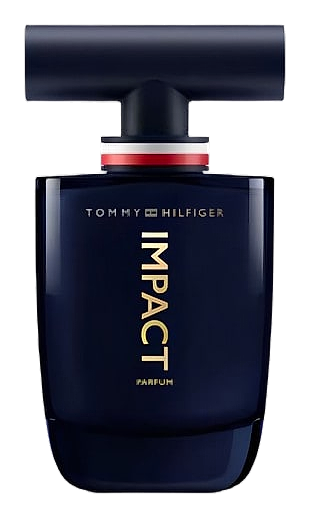
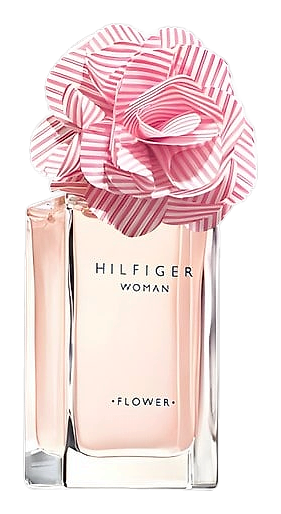
Tommy HilfigerTommy Hilfiger is an American fashion and lifestyle brand founded in New York City in 1985 by designer Thomas Jacob Hilfiger. The brand expanded into fragrances in the mid-1990s, debuting with Tommy for Men in 1995 and Tommy Girl in 1996. Both scents became pillars of the brand's beauty offerings and established the fragrance line's commercial trajectory. The company's merchandise is sold in department stores and through thousands of retail locations worldwide. With headquarters in Amsterdam, Tommy Hilfiger maintains its American design heritage while serving a global customer base. The fragrance portfolio spans multiple decades and includes seasonal summer releases such as Tommy Summer 2025 and Tommy Girl Summer 2025, along with lines like Impact Intense and Hilfiger Man Dark Midnight.
The Creator
Annie BuzantianAnnie favors a structural approach, building around a strong heart that anchors the perfume. She often chooses violet, heliotrope, and lilac to add a soft floral edge, then balances them with musk and warm woods for longevity.