
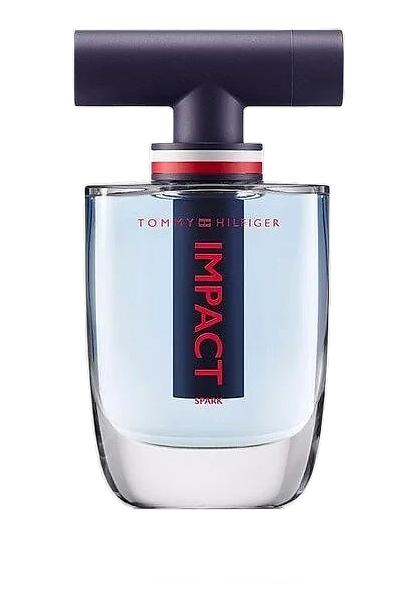

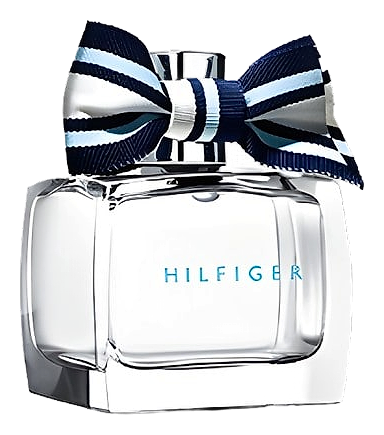
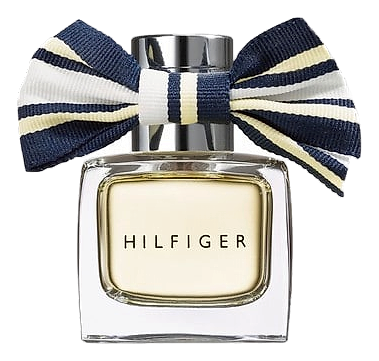
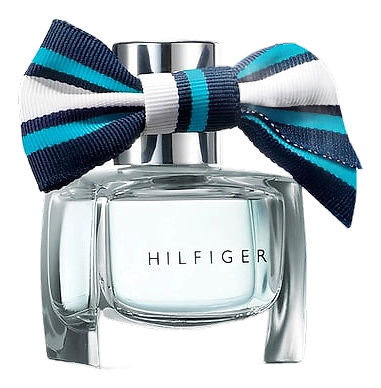




The Heritage
The Story of Tommy Hilfiger
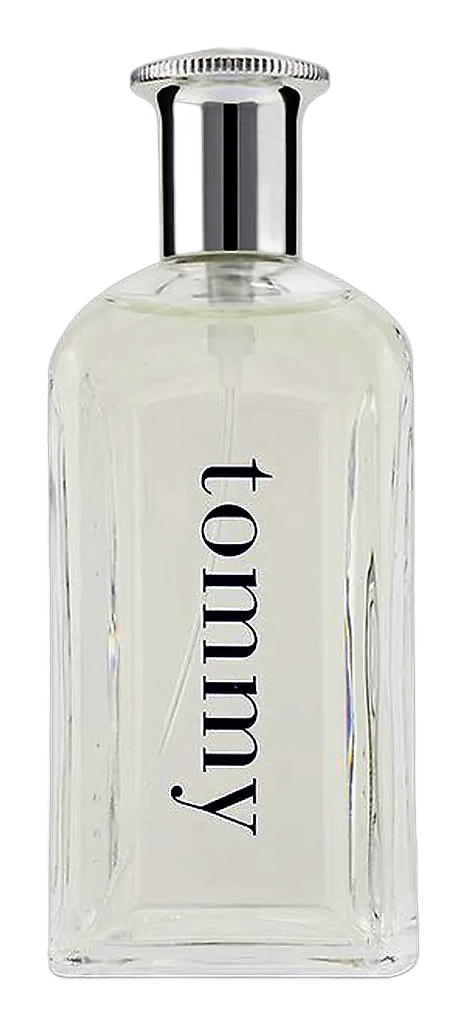
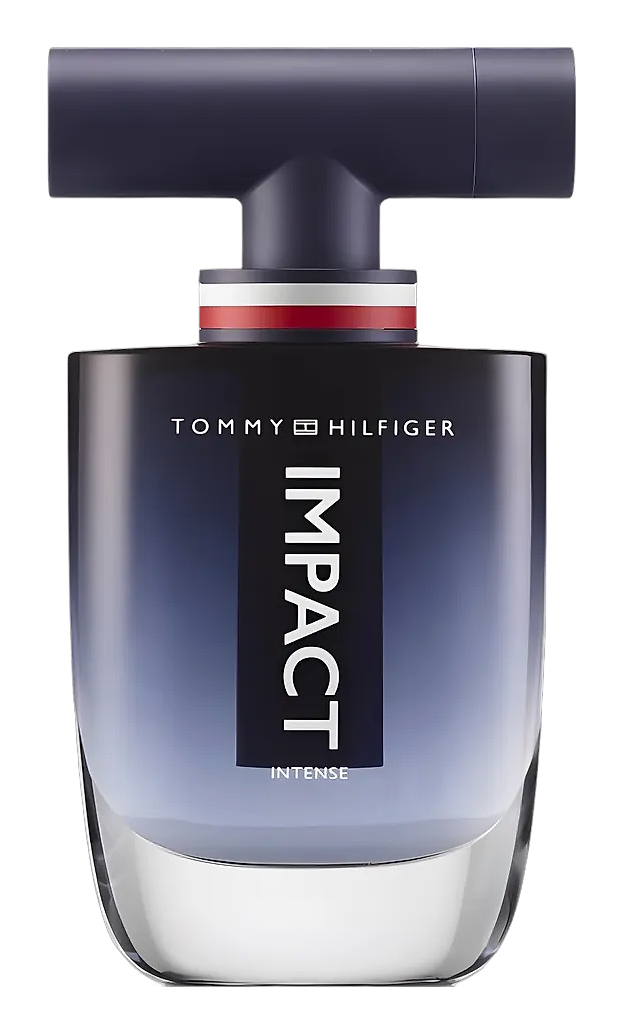
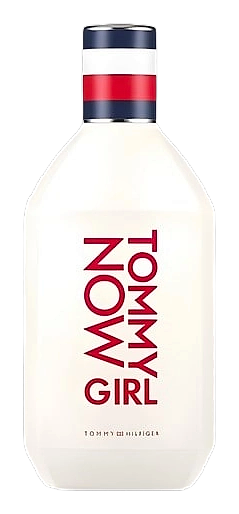
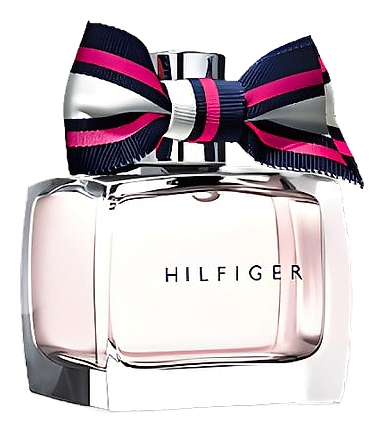
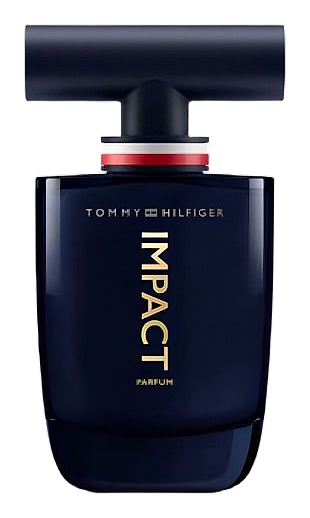
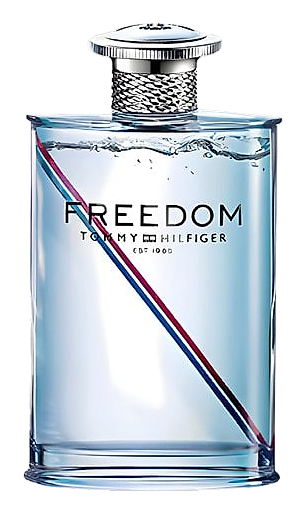
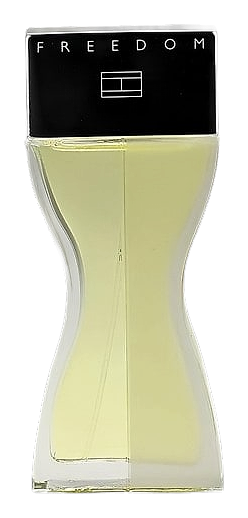
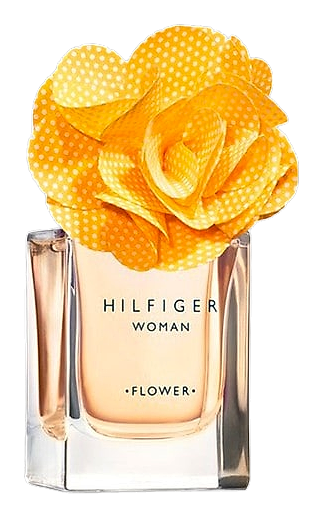
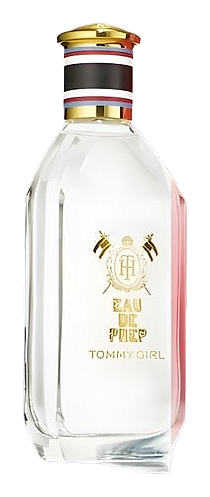
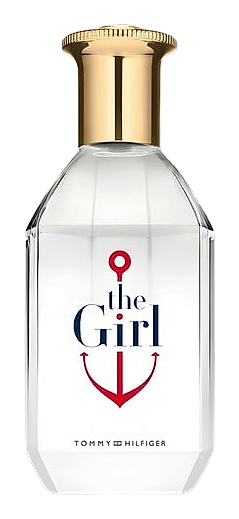
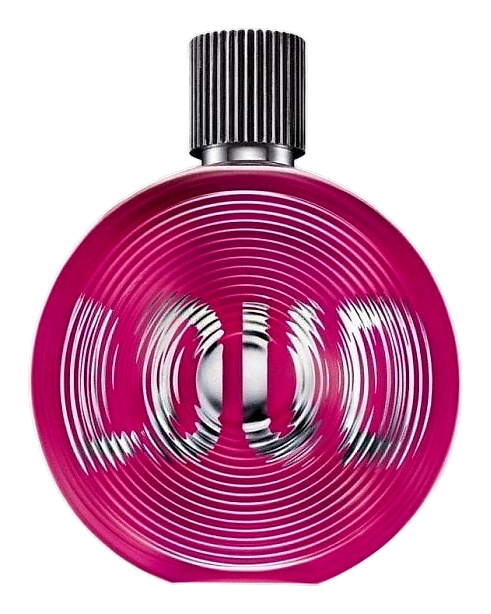
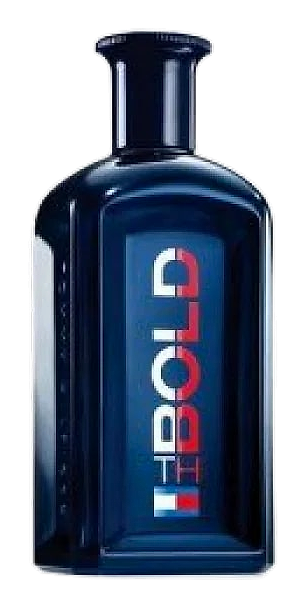
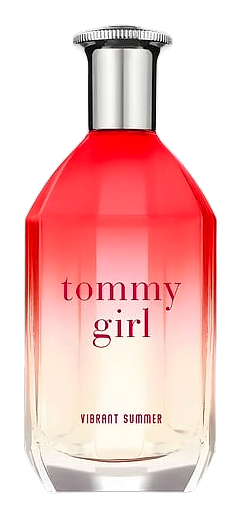
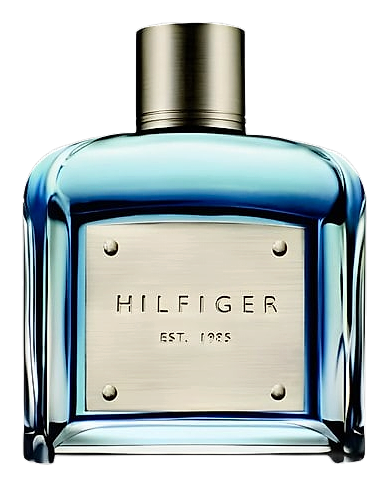
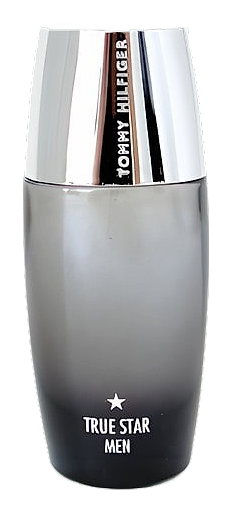
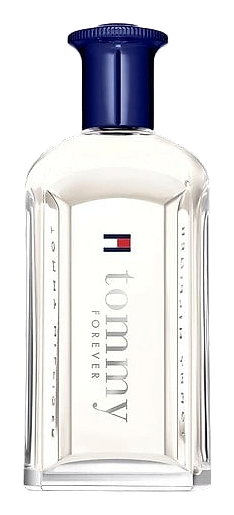
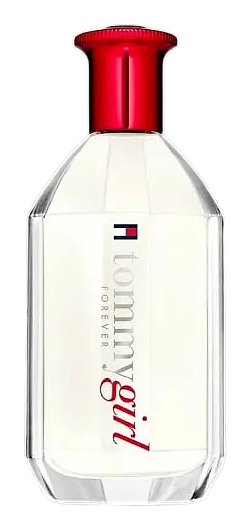
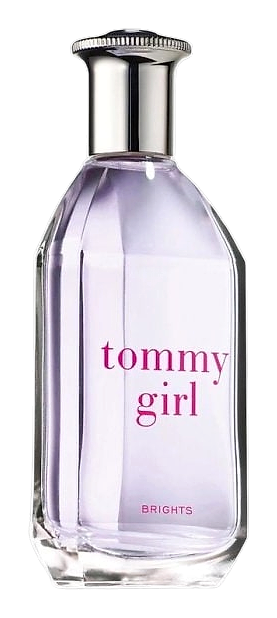
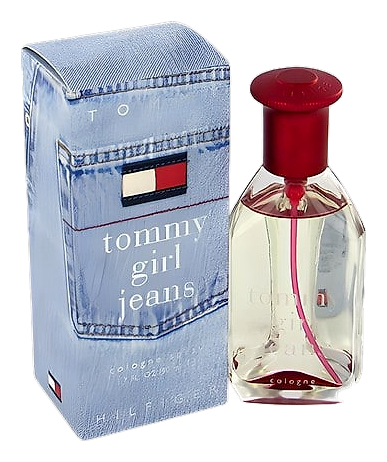
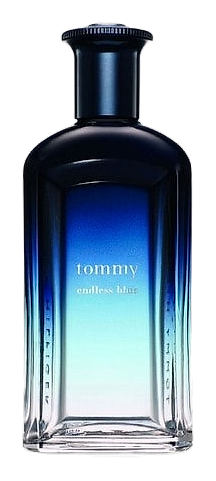
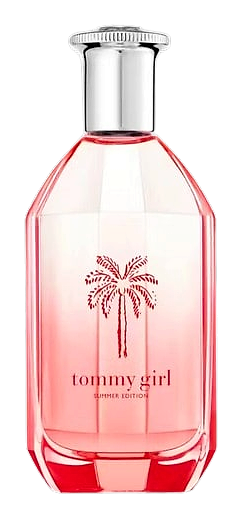
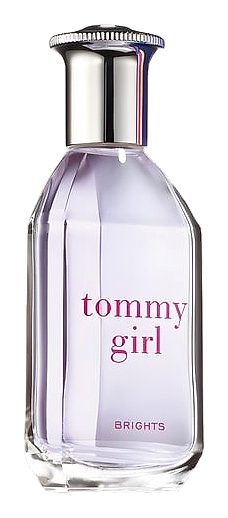
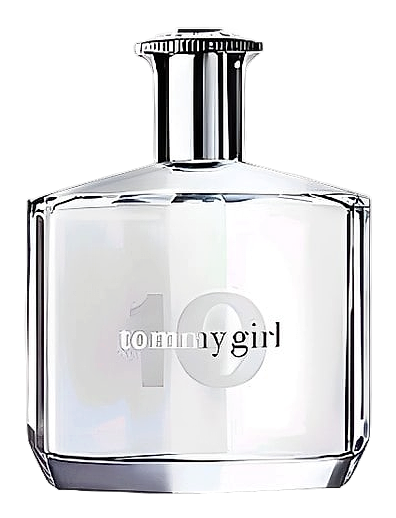
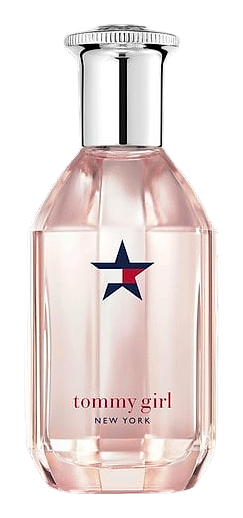
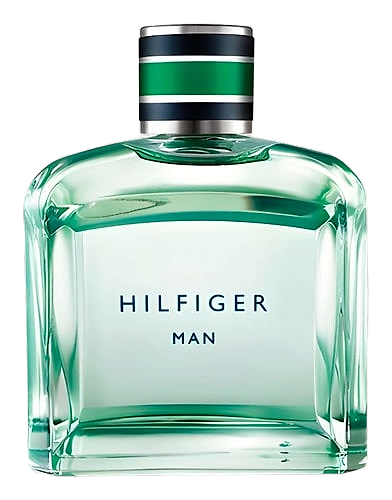
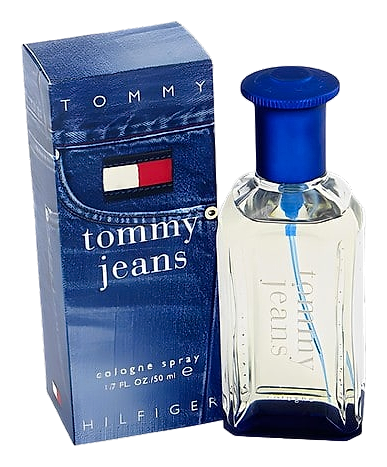
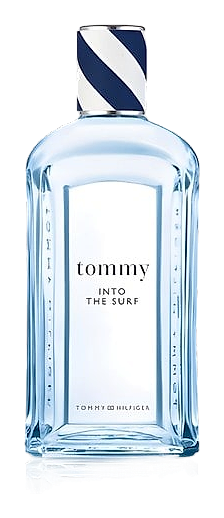
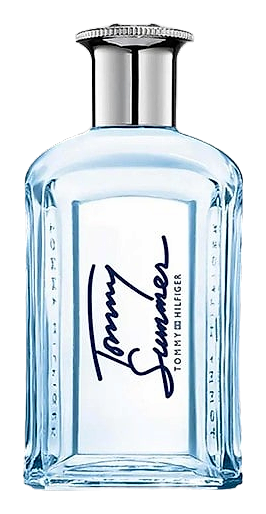
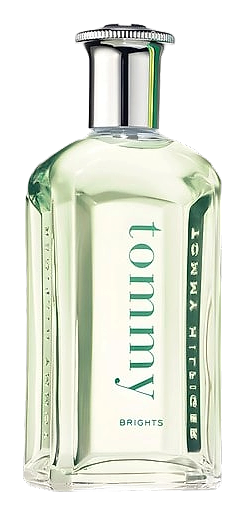
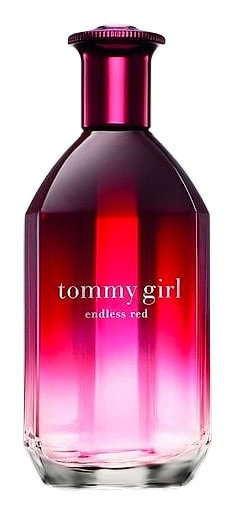
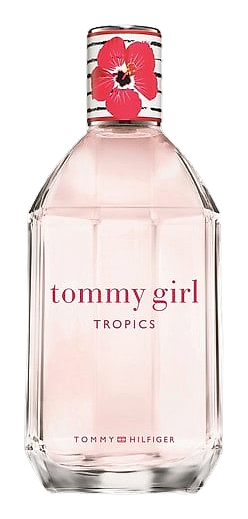
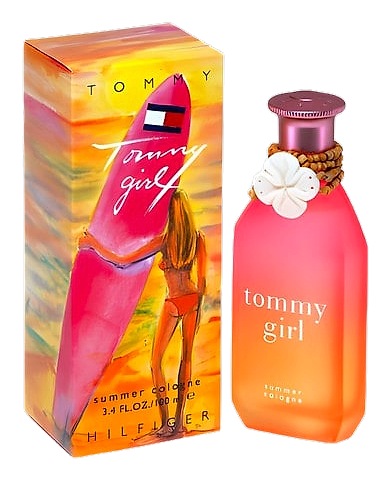
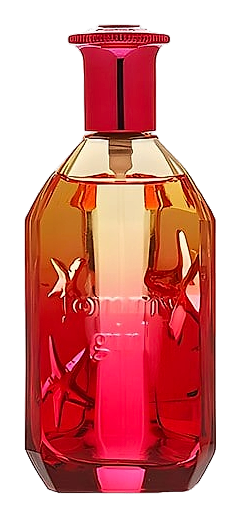
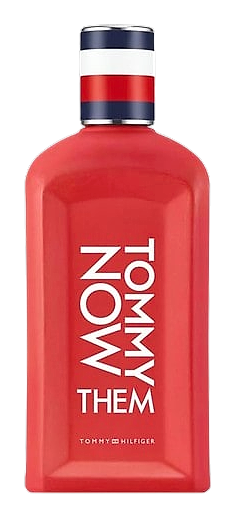
Tommy Hilfiger is an American fashion and lifestyle brand founded in New York City in 1985 by designer Thomas Jacob Hilfiger. The brand expanded into fragrances in the mid-1990s, debuting with Tommy for Men in 1995 and Tommy Girl in 1996. Both scents became pillars of the brand's beauty offerings and established the fragrance line's commercial trajectory. The company's merchandise is sold in department stores and through thousands of retail locations worldwide. With headquarters in Amsterdam, Tommy Hilfiger maintains its American design heritage while serving a global customer base. The fragrance portfolio spans multiple decades and includes seasonal summer releases such as Tommy Summer 2025 and Tommy Girl Summer 2025, along with lines like Impact Intense and Hilfiger Man Dark Midnight.
Heritage
Thomas Jacob Hilfiger was born in 1951 in New York State. In the 1970s, he established his first fashion business, People's Place, a retailer selling trend-forward clothing that reflected his emerging vision for accessible, contemporary American style. During this period, Hilfiger reportedly applied to several other design schools without acceptance, an experience that reportedly strengthened his resolve to succeed independently in fashion. In 1984, businessman Mohan Murjani approached Hilfiger with an offer to finance and launch an eponymous fashion brand. This partnership proved transformative. Rather than positioning Hilfiger as a young designer building slowly, Murjani backed him with significant capital and a strategy modeled after the great European fashion houses. In 1985, Tommy Hilfiger Inc. launched in New York City with its first signature collection. The brand grew rapidly throughout the late 1980s and 1990s, expanding from clothing into accessories, home goods, and fragrances. Tommy Hilfiger Europe BV was established with headquarters in Amsterdam, officially launching the brand's European operations and broadening international distribution. The company went public on the New York Stock Exchange in 1992. In 1995, Tommy Hilfiger entered the fragrance market with Tommy for Men. Tommy Girl followed in 1996 as its female companion. Both scents achieved notable commercial success and laid the foundation for an extensive fragrance portfolio. The brand's fragrance licensing partnerships enabled rapid expansion into the beauty category. The collections have continued to grow with seasonal variations, limited editions, and new flankers that keep the line fresh across decades.
Craftsmanship
Tommy Hilfiger fragrances are developed through collaborations with established fragrance houses, leveraging the expertise of professional perfumers and industry-standard quality processes. The brand's scent compositions typically feature well-balanced combinations of citrus, floral, and woody notes, creating profiles that appeal to mainstream preferences without feeling generic. Quality control measures ensure consistency across production batches. The brand maintains standards for ingredient quality and formulation stability, meaning signature scents retain their recognizable character whether purchased today or years from now. This consistency matters for a brand with fragrances spanning multiple decades. Seasonal and limited-edition releases receive fresh formulations that align with current fashion collections while maintaining continuity with established scent signatures. The summer fragrance line, for example, often emphasizes lighter, fresher interpretations compared to core permanent collection offerings. The production infrastructure supporting Tommy Hilfiger fragrances draws on industry resources and manufacturing capabilities appropriate for a global brand. Ingredient sourcing follows established fragrance industry supply chains, with attention to quality and consistency rather than extreme rarity. The emphasis on broad wearability means formulations prioritize balance and versatility over unusual or polarizing elements. The brand's fragrance portfolio reflects thoughtful curation across price points and occasions, from everyday wear scents to more concentrated expressions. This tiered approach allows customers to explore the brand's olfactory identity at various intensity levels and budget considerations.
Design Language
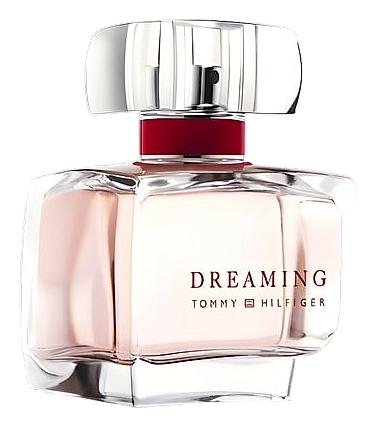
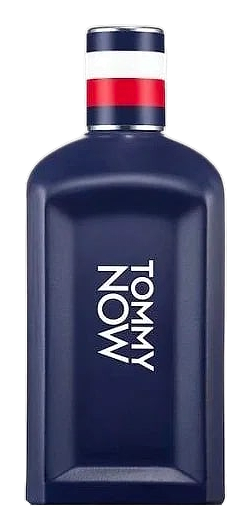
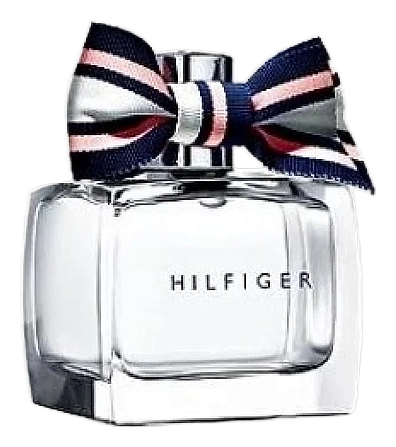
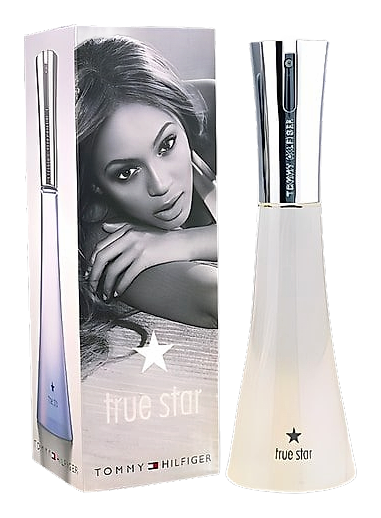
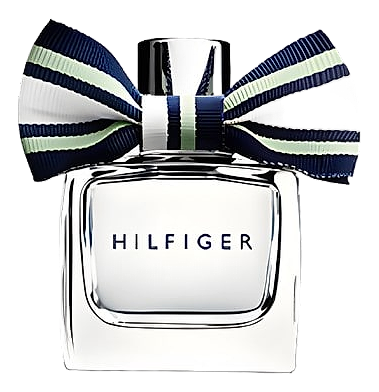
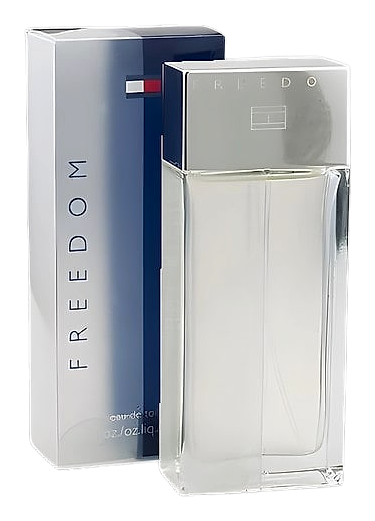
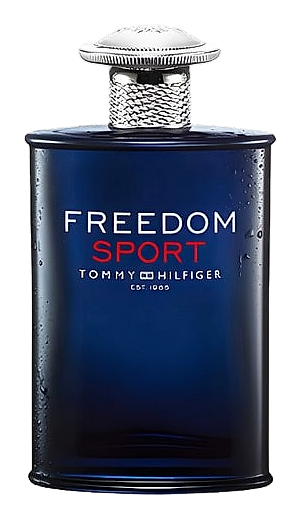
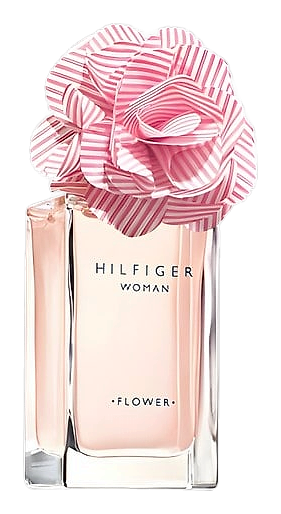
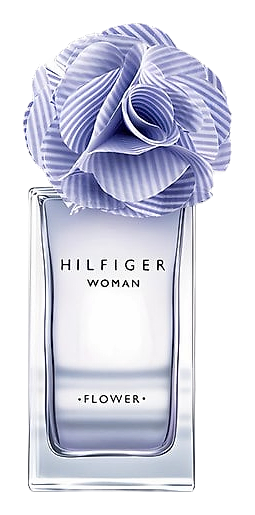
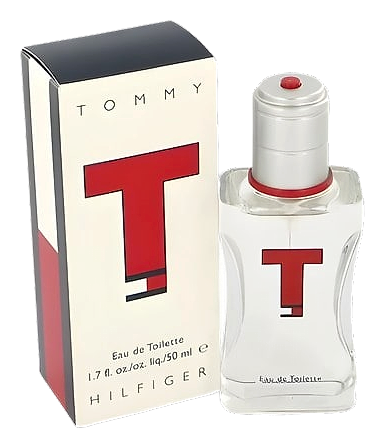
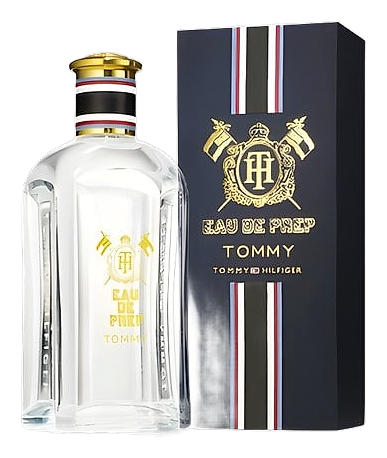
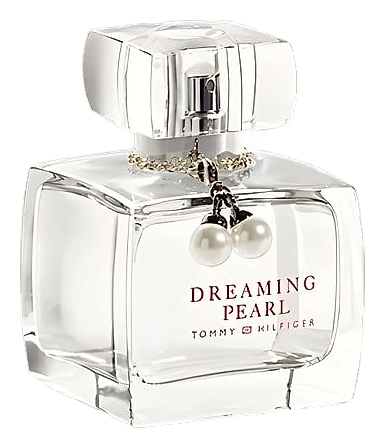
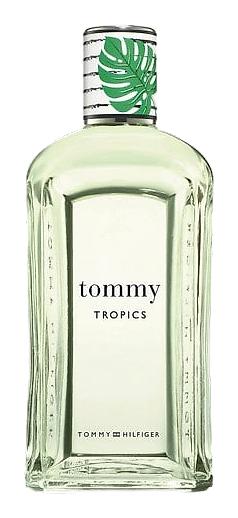
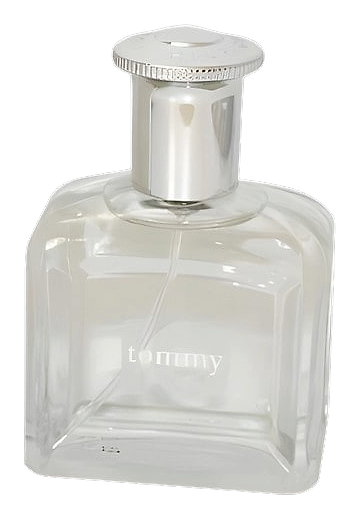
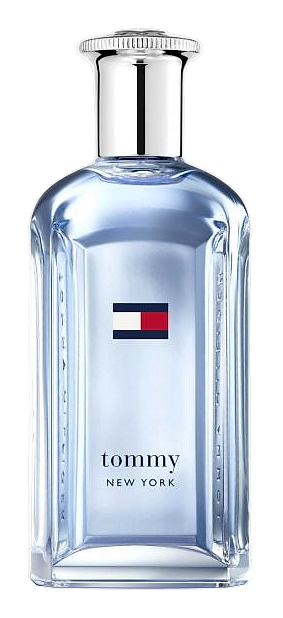
The visual presentation of Tommy Hilfiger fragrances draws directly from the brand's established fashion identity. The iconic red, white, and blue flag logo appears consistently across packaging and bottles, creating immediate recognition. This tri-color palette references American heritage while functioning as a sophisticated brand signature. Fragrance bottles typically feature clean, geometric forms with straightforward silhouettes. Rectangular shapes and bold typography communicate the brand's menswear-inspired design sensibility. The emphasis falls on clarity and directness rather than decorative excess or elaborate bottle architecture. Seasonal variations receive thoughtful design updates while maintaining core visual language. Summer fragrances might incorporate brighter color accents or updated graphics, yet the fundamental aesthetic vocabulary remains consistent. This approach ensures new releases feel cohesive with existing offerings. Marketing campaigns feature imagery aligned with the broader fashion brand's positioning. The advertising aesthetic emphasizes confident, relaxed style with American settings and sensibilities. Models and scenarios project accessible luxury without ostentation. Retail presentation reinforces the positioning between accessible and premium. Fragrances appear prominently in department stores alongside fashion collections, benefiting from the brand's established retail presence and customer recognition. The overall visual system communicates reliable, enduring American style across all touchpoints.
Philosophy
The Tommy Hilfiger approach to fashion and fragrance reflects a vision of American style that feels approachable, confident, and enduring. Rather than pursuing avant-garde experimentation, the brand emphasizes clean silhouettes, quality materials, and a relaxed sophistication that works across occasions and generations. This aesthetic draws from classic American sportswear traditions reinterpreted through a contemporary lens. In perfumery, this philosophy translates to fragrances that prioritize wearability and broad appeal over challenging compositions. The brand creates scents designed for everyday moments rather than special occasions alone. The balance between accessibility and quality remains central to how Tommy Hilfiger approaches its fragrance development. The connection between fashion and fragrance runs through the brand's entire identity. Fragrance releases often align with seasonal fashion collections, reinforcing an integrated lifestyle vision. This coherence means customers recognize a consistent sensibility whether they encounter the clothing, accessories, or scents. The brand has maintained its core positioning since the 1980s, offering consumers a reliable American aesthetic across categories. Rather than reinventing itself with each season, Tommy Hilfiger builds on established foundations while introducing timely variations. This consistency has helped the brand retain customer loyalty across decades while attracting new audiences who connect with its enduring vision of classic American cool.

Key Milestones
1970s
Tommy Hilfiger operates People's Place, his first fashion business, in New York State
1984
Businessman Mohan Murjani approaches Hilfiger to finance and launch an eponymous fashion brand
1985
Tommy Hilfiger Inc. is founded in New York City with its first signature collection
1992
Tommy Hilfiger goes public on the New York Stock Exchange
1995
Tommy for Men fragrance launches, marking the brand's entry into the beauty category
1996
Tommy Girl fragrance launches as the complementary women's scent
At a Glance
Brand profile snapshot
Origin
United States
Founded
1985
Heritage
41
Years active
Collection
3
Fragrances released
Avg Rating
3.8
Community sentiment
Release Rhythm


