
The Story
Why it exists.
The beginning
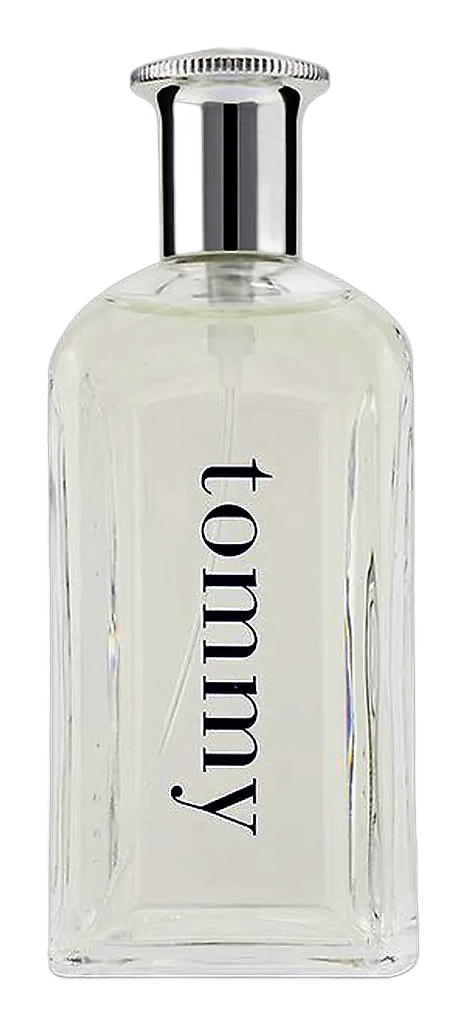
In 1995, Tommy Hilfiger brought its American sportswear sensibility to fragrance. The brief was simple: translate the brand's identity into something you could wear. Alberto Morillas, the perfumer behind countless modern classics, got it immediately. No showmanship. No heavy woods or dense florals. Just the confident, unpretentious energy of someone who earned their place without needing to announce it. Tommy became the founding fragrance of the entire line, winning Fragrance of the Year at the 1996 FiFi Awards. It established the template: clean, approachable, and built to last beyond trends.
What makes the composition work is its restraint. Morillas built from citrus and mint, materials that announce themselves loudly, then disappear cleanly, and anchored them to something unusual at the base: cotton flower and cactus. Neither heavy nor animalic, these notes create a drydown that reads as skin-warm and clean rather than perfumed. The green apple and cranberry in the heart keep it from going sharp, adding a tart sweetness that broadens its appeal without diluting it. It's a composition designed to be liked by most, offend no one, and leave a good impression without asking for attention in return.
The evolution
The opening is immediate, grapefruit, bergamot, and mint arrive together in a burst that reads crisp and bright. It doesn't tease. The top notes declare themselves for the first 5-10 minutes, mint lending a herbal edge that keeps the citrus from going sweet. Then the heart opens. Green apple and cranberry arrive with a tart fruitiness, and the rose, present but understated, keeps things from tipping into gourmand territory. By the second hour, the drydown takes over. Cotton flower and cactus create that clean, airy, almost skin-like finish. The amber sits quietly underneath, adding just enough warmth to keep it from going cold. What lingers is a soft, clean trail, the kind that makes people lean in without knowing why.
Cultural impact
Tommy arrived in 1995 as the founding fragrance of a fashion brand that had already redefined American sportswear. It won Fragrance of the Year at the 1996 FiFi Awards, establishing Tommy Hilfiger as a serious player in prestige fragrance. Decades later, it remains one of the most approachable men's fragrances in its category, not because it was designed to be safe, but because it was designed to be real. The kind of scent that works on someone heading to a meeting just as easily as someone heading out on a Saturday. That broad appeal is the point, not the compromise.