The Story
Why it exists.
The beginning
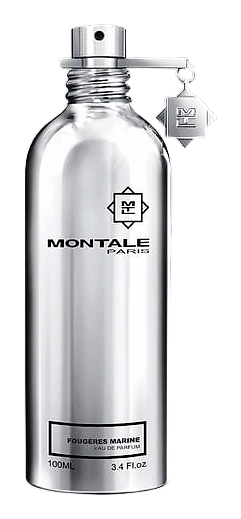
Montale built its reputation on Eastern opulence, oud, rose, amber. When Pierre Montale turned his attention to the Western market in 2007, he chose a different kind of statement. Fougères Marines took the classic fougère structure and introduced it to the sea. Lavender, geranium, oakmoss, the traditional aromatic bones, met sea water and cool musk. It was Montale translated into a more familiar language: Mediterranean coast, coastal cliffs, the green ferns that grow at the water's edge. Less oud, more coastal. Less declaration, more dialogue. The house that doesn't whisper found a new register.
The fougère genre has been built on lavender, oakmoss, and coumarin since the 1880s. Montale's contribution was to inject it with marine minerality, sea water as a structural element, not just a top-note gesture. The result is a fougère that smells like coastal air rather than forest floor. The lavender opens sharp and herbal, the sea water adds a saline clarity, and the oakmoss and patchouli provide the earthy counterweight. It's the smell of standing on Mediterranean cliffs, green, salty, and sun-warmed. The 2007 launch came at a moment when aquatic fragrances were everywhere, but most smelled like shower gel.
The evolution
The opening hits bright and herbal. Lavender dominates, but the sea water is immediately present, a saline note that cuts through the green and keeps everything sharp. It doesn't smell like a beach tourist attraction. It smells like standing on rocks above the tide. The geranium arrives within minutes, minty and green, amplifying the herbal quality. The oakmoss begins its slow build, adding damp earth beneath the herbs. By the second hour, the composition has shifted. The sea water retreats to the background, and the lavender-oakmoss axis takes over, cooler, drier, more atmospheric. The patchouli emerges as the drydown settles, grounding the whole thing in warm earth. The musk extends everything, keeping it skin-close and intimate rather than projecting loudly. Six to eight hours later, the oakmoss and patchouli linger, a quiet, mossy trail that stays close to the skin. It's not a Montale sillage monster. It's a fougère that happens to smell like the sea.
Cultural impact
Fougères Marines occupies an unusual position in Montale's catalog, a house known for bold, opulent compositions offering a fragrance in a cooler, more traditional register. It found an audience among those who wanted Montale's precision but couldn't wear the heavier oud and rose compositions. The marine-fougère combination has enduring appeal: it smells like a specific place, Mediterranean cliffs, green ferns at the water's edge, rather than a concept. Wearers who appreciate it tend to return to it as a reliable, all-day option for warmer months.