The Story
Why it exists.
The beginning
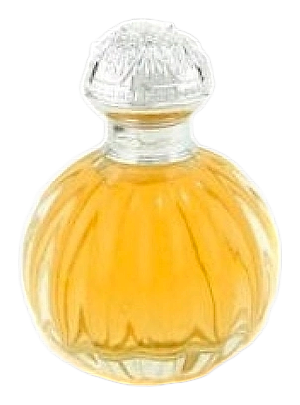
Royal Doulton, founded in 1815 in London, is celebrated for fine bone china and refined home accessories. In 1998 the brand extended its design legacy into fragrance, creating Doulton as a scent that echoes its porcelain heritage. Perfumer Patricia Bilodeau was tasked with translating the brand's elegant aesthetic into liquid form, beginning with a fruit-laden opening that captures the crispness of freshly glazed china.
Patricia Bilodeau selected the opening fruit notes to echo the visual crispness of Royal Doulton china, choosing a palette that feels both appetizing and refined. The floral heart bridges the gap between the bright opening and the deeper base, with white florals providing elegance rather than drama. The sandalwood, musk, amber, and patchouli drydown ensures the fragrance endures, creating a cohesive journey from brightness to warmth.
The evolution
The fragrance opens with a burst of fruit: pear and plum bring crispness while peach and melon add velvety sweetness, creating an immediate, juicy impression. Within the first hour the floral heart emerges, and lily of the valley becomes the lead, supported by lily and a trace of narcissus, giving the composition a refined, green quality. The drydown then settles into sandalwood and amber, with musk and patchouli completing the arc, producing a warm, Intimate finish that remains close to the skin.
Cultural impact
Though discontinued, Doulton has become a cult favorite among collectors who appreciate its porcelain‑inspired elegance. Wearers often cite its ability to evoke a refined tea‑time atmosphere, making it a nostalgic choice for fans of heritage British design. Its balanced fruit‑floral‑woody profile places it alongside late‑90s classics, securing its place in niche fragrance circles as a quiet, sophisticated statement.