The Story
Why it exists.
The beginning
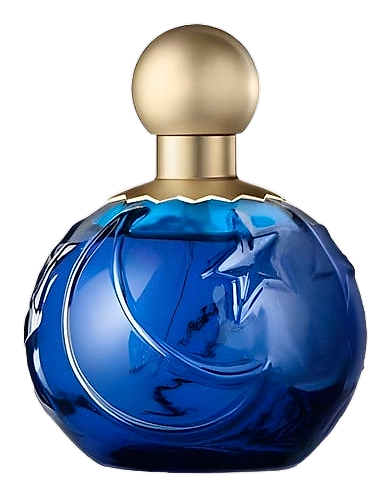
In 1994, Sophia Grojsman composed Sun Moon Stars. The name came from something celestial and elemental, sun, moon, stars. The bottle reflected that: midnight-blue glass etched with the same symbols, a gold cap that caught light like a small moon. The fragrance opens with a bright, citrusy sparkle that gives way to a rich floral heart where rose and jasmine intertwine with a soft, powdery warmth that feels both intimate and expansive. As it settles on the skin, the scent develops a creamy, slightly sweet base that lingers with quiet elegance. It was distributed first by Elizabeth Arden, then later under Coty Prestige, and has quietly persisted ever since.
What makes this composition unusual is its structural honesty. The opening doesn't tease or hint, it arrives with full fruity warmth, peach and pineapple doing exactly what they're supposed to do. The transition to the heart is seamless, the heliotrope and jasmine forming a powdery floral bridge that feels inevitable rather than constructed. There's also the wet paper dustiness that Lagerfeld's love of high-quality paper introduced into the formula, a subtle tactile quality that gives the scent an unexpected texture.
The evolution
The opening is immediate: peach and pineapple hit bright and clean, with bergamot lifting the freesia just enough to keep it from going flat. Within twenty minutes, the fruitiness recedes and the floral heart takes over, jasmine and heliotrope creating that signature powdery warmth, with carnation adding a faint spice that keeps things interesting. The drydown begins around the two-hour mark, sandalwood and vanilla settling into a warm, skin-close embrace that lasts another six to eight hours on most. On fabric, it lingers even longer. The amber emerges slowly, never loud, just a gradual warmth that becomes the whole story.
Cultural impact
Sun Moon Stars has quietly persisted since 1994. This particular execution carries a warmth and honesty that keeps it relevant. The powdery floral heart, soft rose and gentle jasmine wrapped in a creamy, slightly sweet base, creates an intimate impression that feels both timeless and distinctly of its moment. As the fragrance develops on the skin, the initial brightness softens into a lingering warmth that reveals new facets hour by hour, making each wearing feel like a quiet rediscovery.