Heritage
A house, in its own words
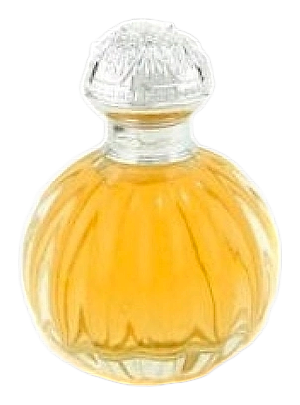
John Doulton invested his life savings of £100 in a small London pottery operation in 1815. The business, originally called Jones, Watts and Doulton, produced utilitarian stoneware for the growing city. By 1854 the firm incorporated as Doulton & Co., expanding into decorative pieces that attracted middle‑class buyers. In 1877 Doulton purchased the Lambeth works, a site that later housed the iconic Bunnykins range. The company earned a Royal Warrant in 1886, confirming its status as a supplier to the British royal household. Throughout the early 20th century Doulton introduced bone china patterns that combined traditional English motifs with Art Deco influences, cementing its place in both domestic and export markets. After a series of mergers, Waterford Wedgwood acquired Royal Doulton in 2005, integrating the brand into a broader portfolio of luxury tableware. The acquisition preserved the Doulton name while providing new distribution channels worldwide. In 1998 the brand launched a perfume called Doulton, a brief foray into fragrance that mirrored its ceramic aesthetic. The scent was marketed alongside the company’s home accessories and was discontinued after a limited run, leaving remaining bottles as collectible items. Royal Doulton continues to produce porcelain under the original name, and its historic archives remain a reference point for contemporary designers seeking a blend of heritage and modernity. Royal Doulton treats design as a dialogue between function and beauty. The company believes that everyday objects should inspire a quiet sense of pleasure, whether a teacup rests on a saucer or a fragrance lingers in a room. Its creative vision emphasizes timeless patterns, careful proportion, and a restrained colour palette that reflects English garden motifs. When the brand entered perfumery, it applied the same principles: the scent was intended to evoke the soft, powdery feel of fine china and the subtle aroma of a freshly set table. Royal Doulton values durability, so it selects ingredients that age gracefully, mirroring the way its porcelain develops a patina over decades. The brand also supports responsible sourcing, favouring suppliers that meet environmental standards and traceability requirements. By aligning scent with its broader design language, Royal Doulton seeks to create a cohesive sensory experience that extends the tactile comfort of its ceramics into the realm of aroma.