
The Story
Why it exists.
The beginning
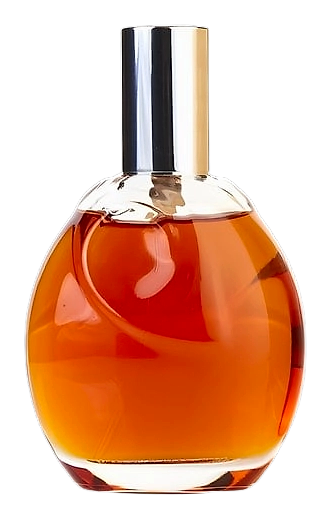
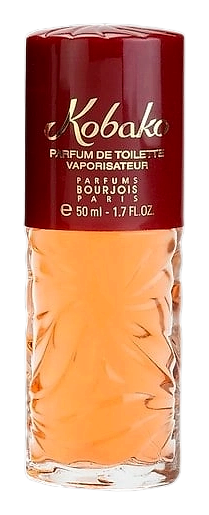
Kobako arrived in 1936, named for the Japanese word for a small precious box, a container worth opening. Ernest Beaux, already known for his work with Chanel, designed it for Bourjois during a period when the house was pouring most of its research and development budget into new perfumes. The timing placed it squarely in the golden age of aldehydic florals, when every major French house was trying to capture that particular kind of shimmer. What set Kobako apart was its willingness to let the animalic notes breathe rather than bury them beneath soapy florals. It was a composition that trusted its wearer to handle the heat.
The aldehyde-civet-musket triangle is what makes this work. Aldehydes give the opening that metallic brightness, almost like light catching the surface of a mirror. But beneath that shimmer, civet provides an animalic warmth that modern perfumery often sanitizes out of existence. It's not aggressive, it's present. The combination creates a tension between the powdery cleanliness of aldehydes and the raw heat of civet that gives Kobako its particular electricity. White florals float above this foundation without trying to domesticate it.
The evolution
The aldehydes arrive first, bright, sharp, almost bracing. Then the florals crowd in: jasmine, gardenia, magnolia, all talking at once. For about thirty minutes, it's a riot. The civet doesn't hide. It builds underneath, patient. By hour two, the florals begin to thin, and what's left is the civet-musket warmth settling against the skin like a second layer. By hour four, you're wearing ambergris and skin. The drydown isn't quiet, it's intimate. Close enough to catch when someone leans in. Lasts eight to ten hours on most skin, longer on fabric.
Cultural impact
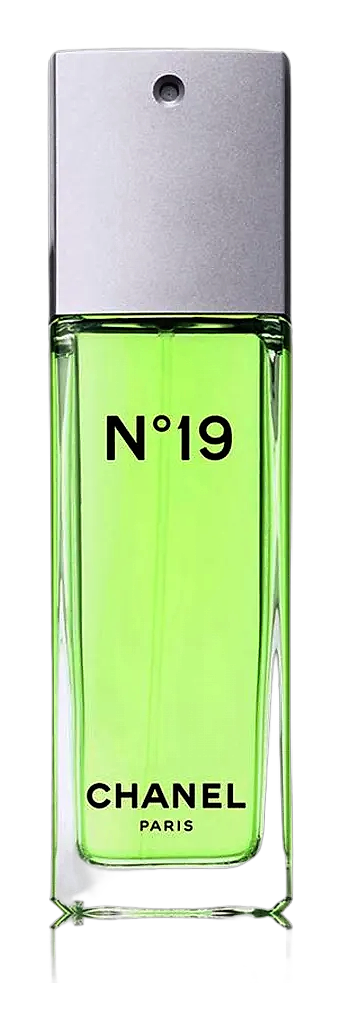
Kobako sits in a curious position, discontinued but not forgotten, vintage but not dusty. Wearers often compare it to Chanel No. 5, which makes sense given Beaux's history with that house, but Kobako has its own identity: warmer, spicier, less afraid of its own animalic notes. It's the kind of fragrance that people seek out when they've exhausted the obvious classics and want something with the same era's ambition but a different voice.