
The Story
Why it exists.
The beginning
The cedar stands for eternity in perfumery, ancient, unyielding, the kind of material that anchors a composition without needing to announce itself. Chopard's Malaki line has made a practice of this: Oud Malaki in 2012, Patchouli de Sumatra in 2022, and now Cedar Malaki in 2023, designed by Alberto Morillas. The brief was simple on paper: build a fragrance around cedar that doesn't rely on the note being loud. What Morillas delivered instead is a study in contrast, aromatic herbs at the opening, cedar at the heart, and a base that arrives warm and resinous, hours later, the thing you'll smell on your sleeve the next morning.
What makes this composition unusual is the restraint at its center. Cedar Malaki doesn't lead with cedar, it arrives sideways, after the grapefruit and lavender and artemisia have cleared a path. The result is cedar that reads as warm rather than sharp, resinous rather than pencil-shaving linear. The base is where Cypriol Oil, also called Nagarmotha, earns its place: dark, smoky, almost leathery in its final hour, which makes the tonka bean sweetness feel earned rather than obligatory. This isn't a cedar fragrance that shouts. It's one that knows when to lean in.
The evolution
The opening is all cool air and green herbs, cypress and Nootka cypress with grapefruit lifting it, lavender and artemisia adding a faintly bitter, aromatic edge that feels like standing inside a cedar grove at dawn, when the temperature hasn't yet warmed the resin. Projection is strong in the first hour. Then the cedar arrives at the heart, and it doesn't tiptoe. It takes up space. Atlas cedar, Lebanon cedar, Virginia cedar, the pyramid lists three, and on skin the effect is singular: warm, woody, almost sweet in the way good cedar furniture smells in a closed room. The drydown is where Cypriol Oil and patchouli shift the register toward earth and smoke. Labdanum adds a resinous honeyed quality. Tonka bean smooths everything into a warm, close drydown that lasts well past eight hours and lingers on fabric the next day, the faint, sweet-woody ghost of something that was, an hour ago, very much present.
Cultural impact
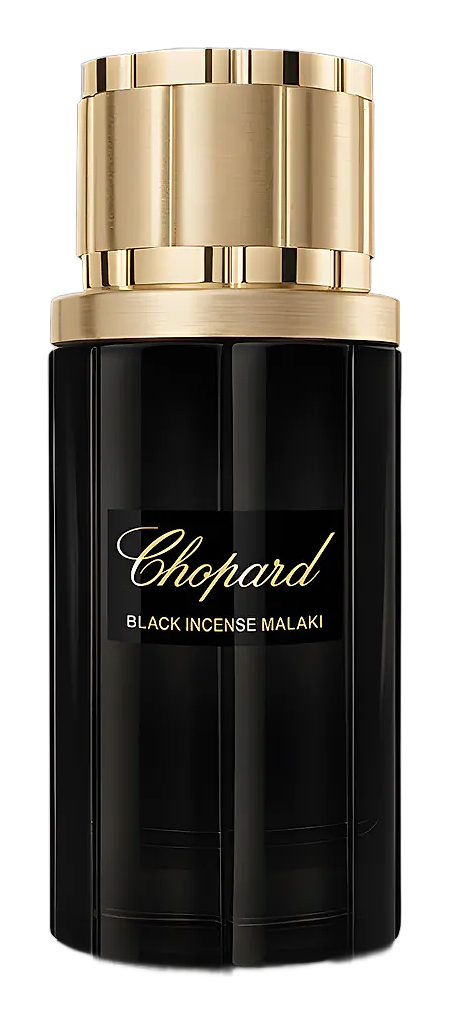
Cedar Malaki enters a Malaki line that already has devoted followers. Oud Malaki (2012) and Black Incense Malaki established the house signature, warm, resinous, slightly animalic bases with a premium feel. Cedar Malaki doesn't reinvent the formula so much as redirect it. The cool aromatic opening sets it apart from its siblings, and the cedar heart is what the name promises without the overwhelming pencil-shaving linear cedar note some expect. It's become the entry point for the collection, the one people reach for when they want the Malaki warmth without committing to oud or incense. Worn well into evening and cold-weather months, it occupies a comfortable middle ground: present enough to be noticed, warm enough to be wanted back.