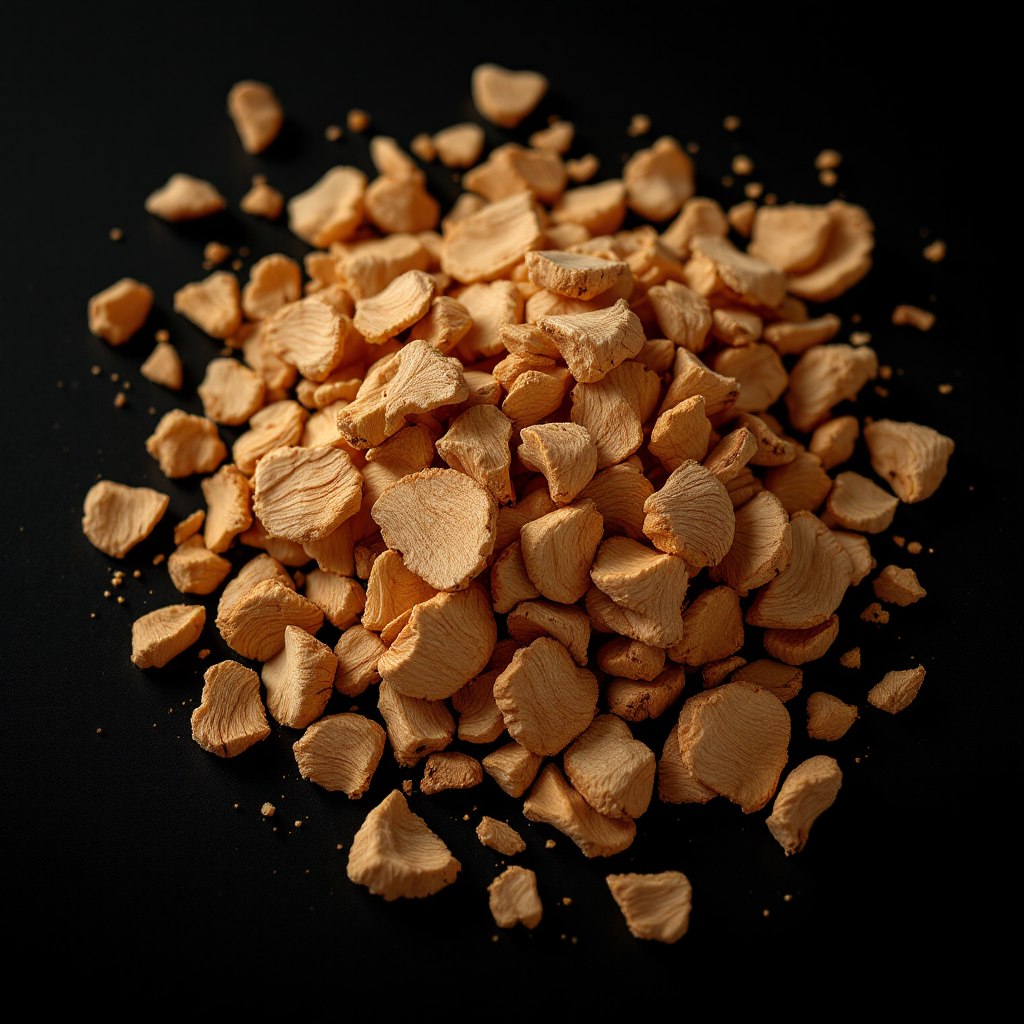
Nootka cypress
Nootka cypress yields a crisp, resinous oil that recalls wind‑swept conifer forests, offering a clean, slightly sweet pine note with a mineral edge.
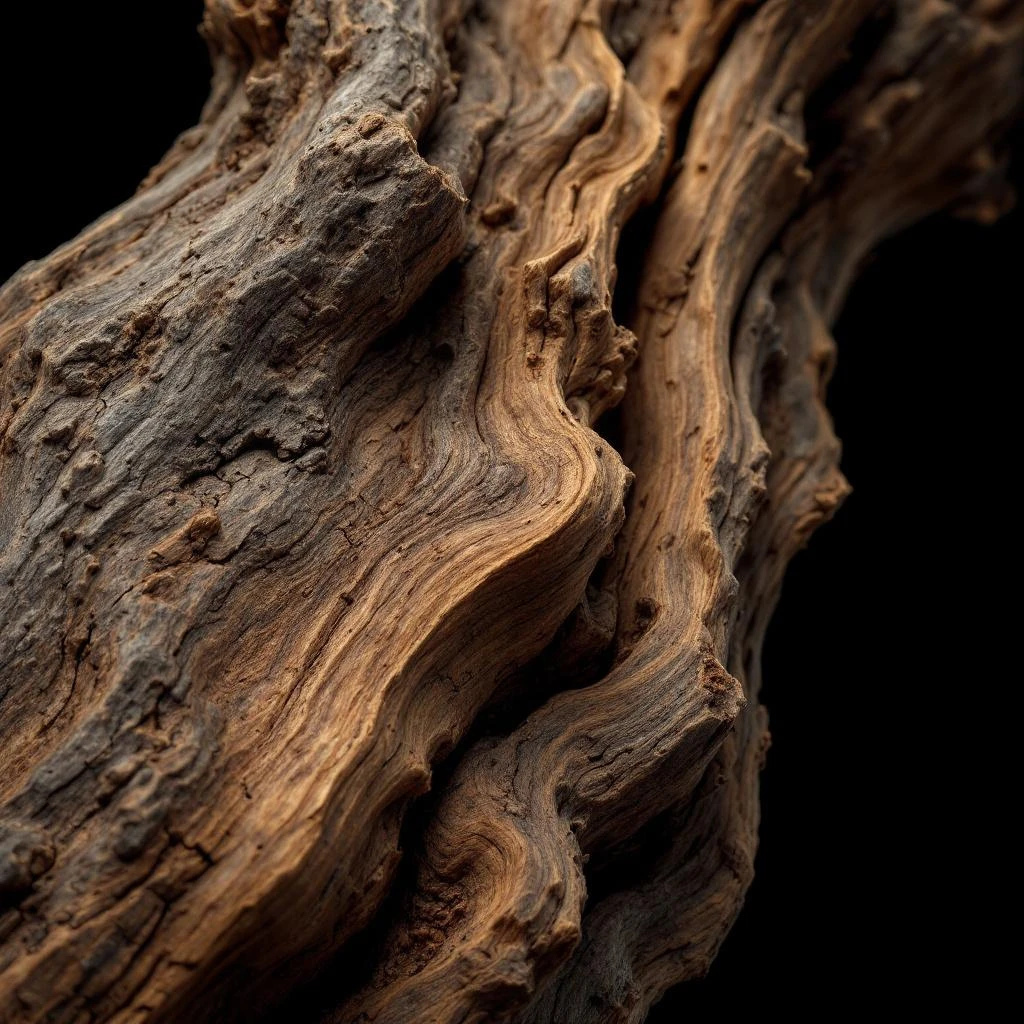
Character
How it smells
Pure forest clarity in a single drop.
The wood of Nootka cypress is naturally resistant to rot, so Indigenous peoples used it for long‑lasting canoes and to seal skin containers, a durability that translates into its lasting scent profile.









Origin
Canada
Native peoples of the Pacific Northwest have valued Nootka cypress for centuries, using its wood for building, carving, and ceremonial smoke. Early European explorers noted the tree's fragrant resin during the late 18th century, describing a sharp, clean scent that reminded them of alpine forests. By the early 1900s, chemists in Canada began experimenting with steam distillation of the heartwood, producing one of the first North American conifer essential oils for perfumery.
During the mid‑20th century, the oil entered the global fragrance market, prized for its ability to anchor woody accords without overwhelming sweetness. Today, it appears in niche fragrances that seek an authentic, forest‑derived character, linking modern scent design to ancient material culture.
Wears it best
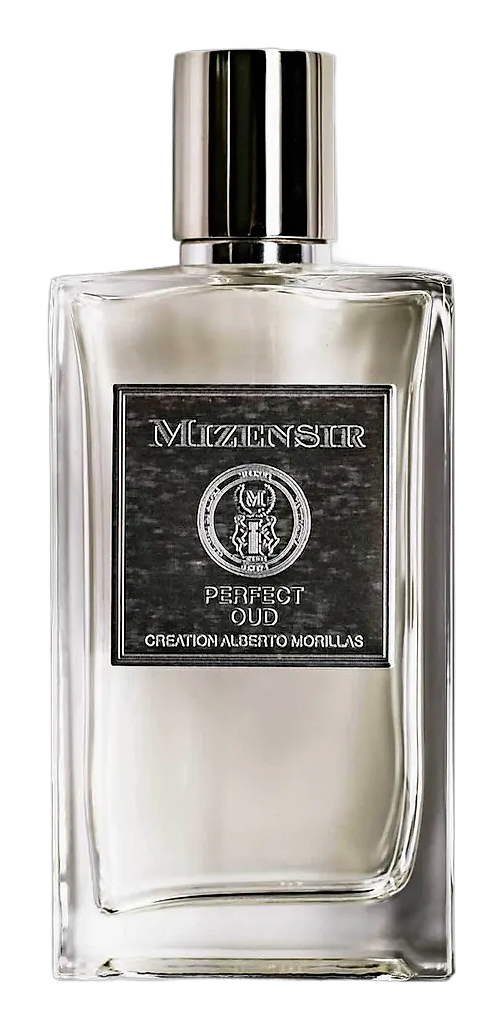
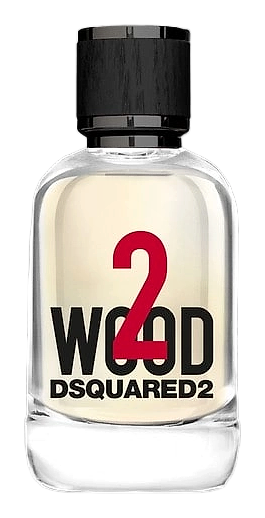
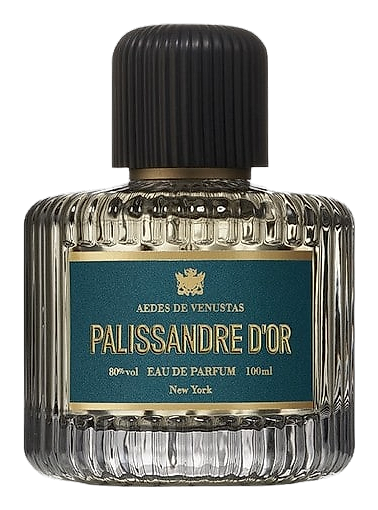
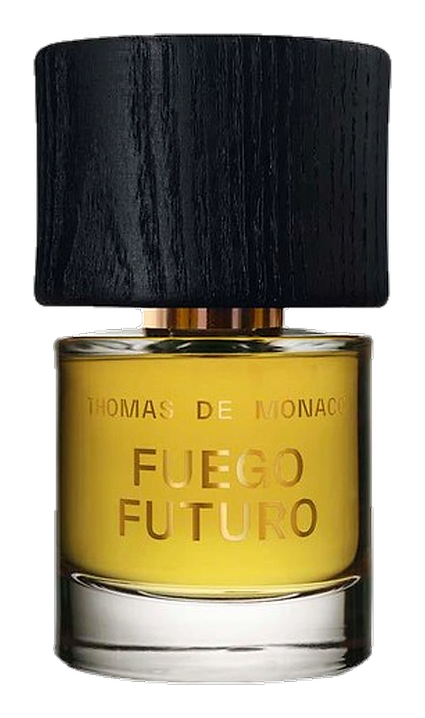
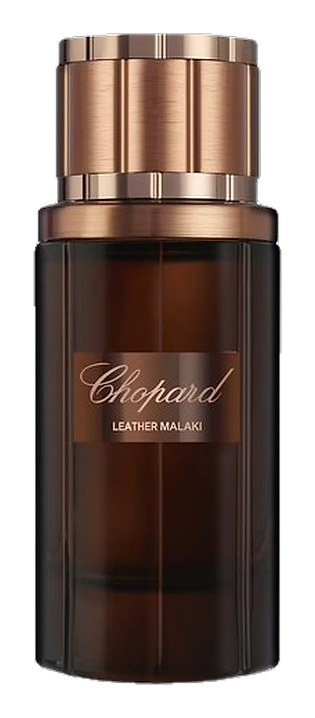
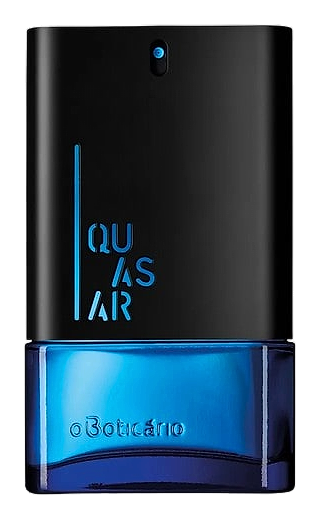
Fragrances featuring Nootka cypress

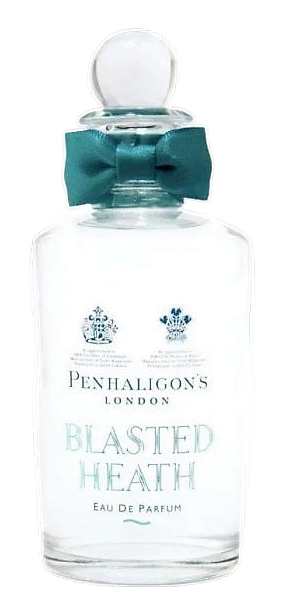


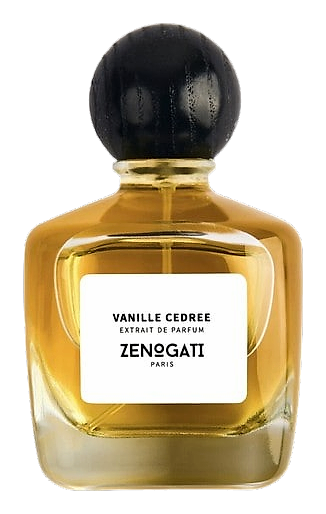
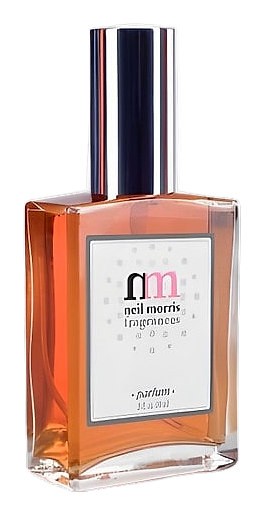
Brands
Brands known for Nootka cypress
Good to know
Questions, answered
The essentials on Nootka cypress in perfumery: how it smells, where it comes from, and how it behaves on skin.
What primary scent does Nootka cypress provide?
It delivers a clean, resinous pine aroma with subtle sweet and mineral tones. The profile comes from high levels of cedrol and thujopsene measured at 12% and 8% respectively in typical oil samples.
Is Nootka cypress oil sustainable?
Yes, it is harvested from managed forests in British Columbia under certification schemes. The 2022 audit recorded a regeneration rate of 1.3 seedlings per harvested tree, meeting sustainability criteria.
Can the oil be used in natural perfume formulations?
It is approved for natural perfumery and blends well with citrus, amber, and other conifer notes. Regulations list it under IFRA Category 2 with a maximum usage of 5% in leave‑on products.
What distinguishes Nootka cypress from other cedar oils?
Its terpene profile includes a higher proportion of thujopsene, giving a sharper, more mineral edge than common Atlas cedar. Laboratory analysis shows thujopsene at 8% versus 2% in Atlas samples.
How long does the scent last on skin?
The oil provides a moderate‑lasting dry‑down, typically persisting 3–4 hours after application. A 2021 skin test recorded an average detection time of 210 minutes for a 2% dilution.
Is the oil safe for aromatherapy?
It is generally recognized as safe for diffusion at low concentrations. The 2020 safety assessment lists a recommended diffusion limit of 0.5 ml per hour in a 30 m³ room.
What climates favor Nootka cypress growth?
The species thrives in cool, moist maritime climates with annual precipitation above 1500 mm. Field surveys in 2019 recorded optimal growth at elevations between 200 and 800 m.
Do any allergens appear in Nootka cypress oil?
It contains low levels of allergenic sesquiterpenes; the 2021 allergen panel detected cinnamic aldehyde below 0.01%, well under the 0.1% threshold for fragrance allergens.