
The Story
Why it exists.
The beginning
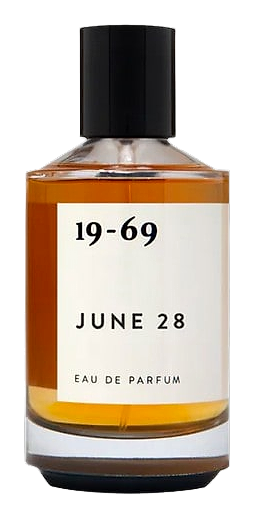
June 28, 1969. The Stonewall Inn, a Greenwich Village bar marked by society as unholy and frequented by drag queens and outcasts, became the site of an uprising that reshaped modern history. Some call it the first pride. Others call it a riot. 19-69 named this fragrance for that date, a deliberate collision of counter-cultural memory and olfactory provocation. Launched in 2023, the composition refuses the polite register of mainstream perfume. It opens on saffron and black pepper, two spices built for confrontation, then drops into cumin and Indonesian patchouli leaf, materials that smell like skin and earth in equal measure. The base is where the house commits: castoreum for its animalic warmth, papyrus and cade oil for dry woody smoke, myrrh absolute to bind the whole thing into something resinous and unresolved. Every choice points back to a night that refused to be quiet.
Indonesian patchouli leaf is the structural anchor here, and its selection is deliberate. Where darker patchouli reads syrupy and sweet, the Indonesian variant carries a drier, greener profile, almost herbal, almost medicinal. It lets the cumin breathe without collapsing into a generic spicy oriental. The cumin itself arrives with a husky warmth, more crushed seed than cooked dish, and it sits against the patchouli like two old collaborators trading quiet lines.
The evolution
The first ten minutes are all attack. Saffron's metallic warmth and black pepper's clean sting hit simultaneously, a one-two that announces something is happening on your neck. By the thirty-minute mark, the cumin unfurls, and the composition stops being spicy and starts being human. Sweat, warmth, the smell of a leather booth at last call. Indonesian patchouli deepens this further, turning the animalic register from suggestion into statement. Around the two-hour mark, the smoke arrives. Cade oil's juniper tar burns slow through the papyrus, and the whole composition shifts from body to atmosphere. The myrrh settles underneath, holding everything together with a resinous sweetness that reads almost holy. By hour six, the castoreum has done its work, leaving a warm skin-like trace that stays close and intimate. This is a fragrance that asks for a full evening and rewards one.
Cultural impact
June 28 carries a weight that sets it apart from the brand's lighter releases. It's heavier, smokier, and closer to art-house niche than to anything you'd reach for in a boardroom. The naming, tied to the Stonewall uprising, positions the fragrance as a marker of cultural memory rather than a simple accessory, and that framing shows up in how people talk about wearing it. On skin, it opens with that cumin and patchouli tension described earlier, dense and slightly confrontational, before the cade smoke rolls through and softens the edges into something closer to a smoldering ember.