The Story
Why it exists.
The beginning
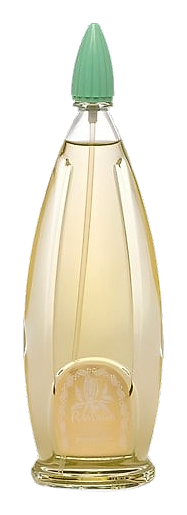
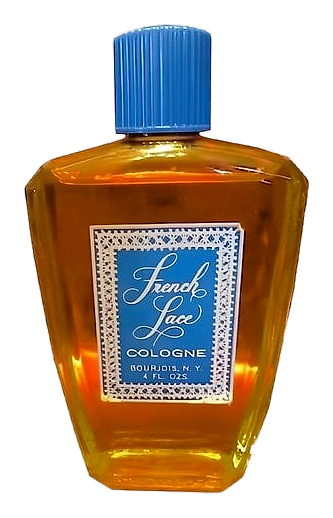
Constantin Weriguine composed French Lace in 1952. He answered with aldehydes, the shiny, abstract sparkle tuned warm and deliberate, a way of building shimmer into a floral without letting it dominate. The name says it all. Lace is the texture: sheer, openwork, a little knowing. French because the refinement was never in question. There's an old instinct in French perfumery that a great aldehydic composition should reveal its architecture slowly, never flashing the construction at you. French Lace lives by that rule. You catch a glint of the metallic top notes, then the florals gather underneath like embroidery holding the whole piece together.
What makes French Lace worth slowing down for is the contradiction at its center. Aldehydes, which are basically metallic starlight in a bottle, sit right next to neroli and mint, green, cold, awake. Then civet anchors the whole thing, warm and animalic, a note that insists on presence over prettiness. Weriguine didn't sanitize that tension. The metallic top notes and the musky base are supposed to coexist without one softening the other too much. The result smells like a glove left on a chair, present, personal, faintly transgressive.
The evolution
The first ten minutes are bright. Aldehydes fizz like champagne poured over cold mint, and neroli cuts through with green authority. It reads almost sharp, the way a silk scarf might crackle if you pulled it across dry skin. There's a powdered edge to the opening too, soft enough to round the metallic glint but firm enough that you feel the architecture underneath. Around the thirty-minute mark the jasmine wakes up, and the composition gets its waist. Carnation arrives warm and slightly peppery, rose threads through underneath, and the aldehydes stop sparkling and start glowing. That's the shift, from bright to lit, from something that catches your attention to something that holds it. The drydown is where this fragrance earns its name.
Cultural impact
French Lace arrived in 1952, a vintage year for any fragrance house paying attention to where postwar French perfumery was headed. It belongs to a moment when aldehydic florals were reaching for a new kind of closeness, compositions that prized wearability over the grand sillage of an earlier decade. The shift was subtle but real: aldehydes used to announce themselves across a room, then they started whispering instead, and French Lace is one of the cleanest expressions of that turn. It smells like a wardrobe of its era, refined, considered, built on the kind of florals that reward attention without demanding it.
The House
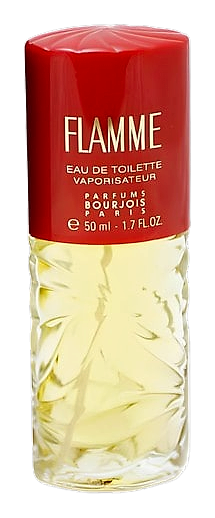
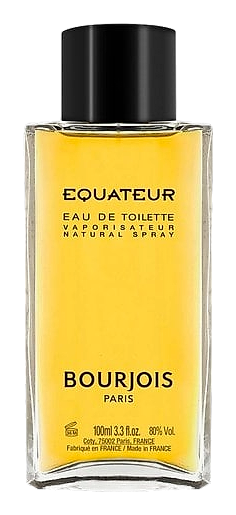
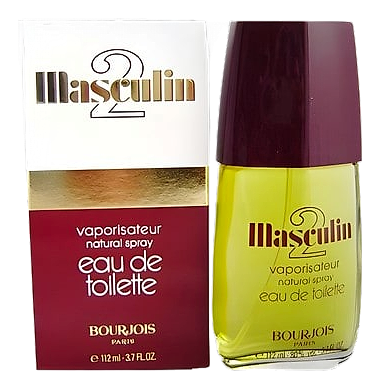
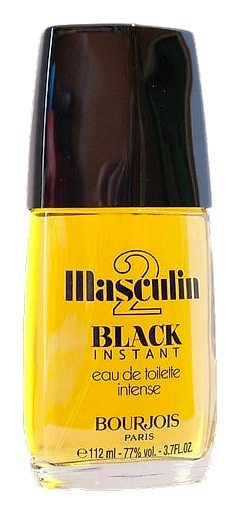
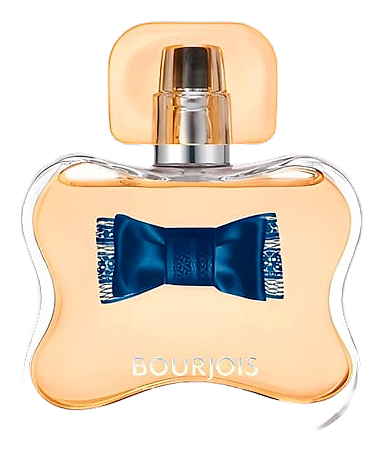
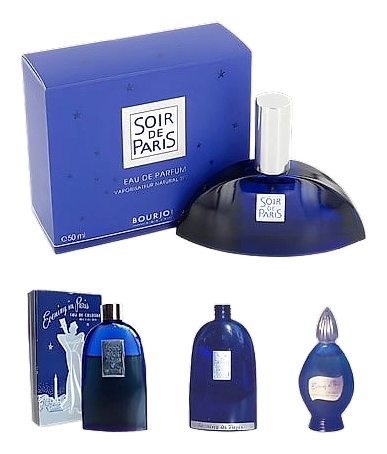
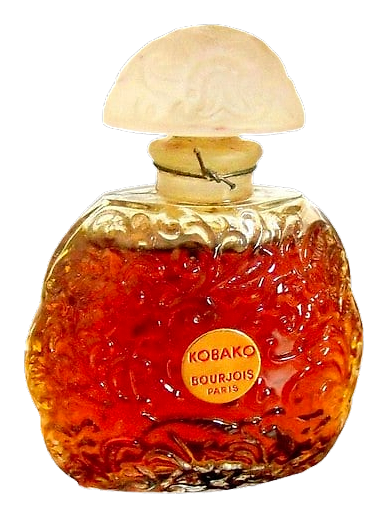
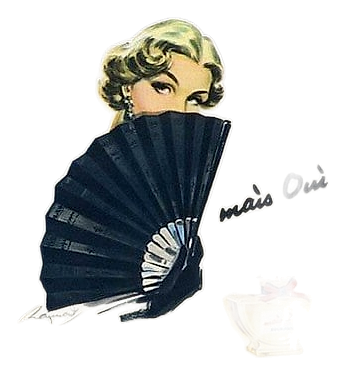
BourjoisBourjois began as a modest Parisian toiletry shop in the mid‑19th century and grew into a household name for colourful cosmetics and approachable fragrance. The brand blends French theatrical flair with everyday wearability, offering scents that feel both playful and rooted in tradition. Over more than a century, Bourjois has kept a focus on accessible luxury, delivering perfume that invites a wider audience to experience the craft of French perfumery without the pretence of exclusive pricing. Its catalogue includes iconic launches such as Mais Oui (1938) and the masculine line that started in the early 1970s, each reflecting a balance of heritage and contemporary taste.
The Creator
Constantin WeriguineHis style reflects classical French perfumery at its most disciplined. Weriguine possessed an acute sensitivity to natural materials, favoring structured compositions built on balance and restraint.