
The Story
Why it exists.
The beginning
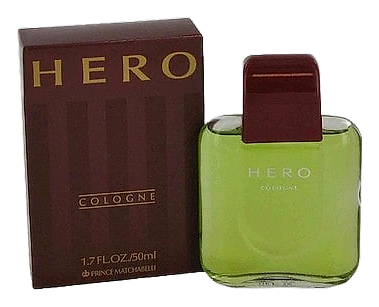
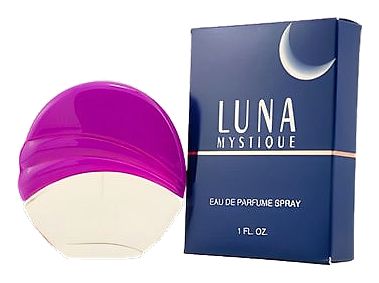
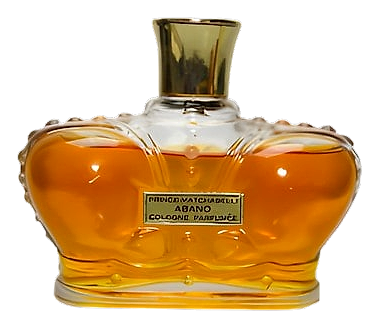
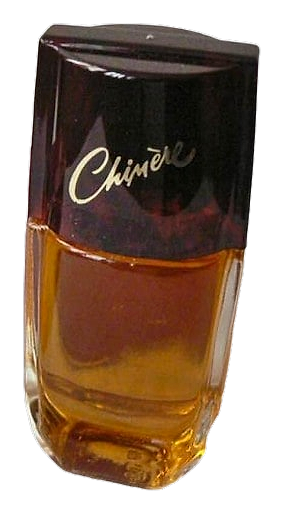
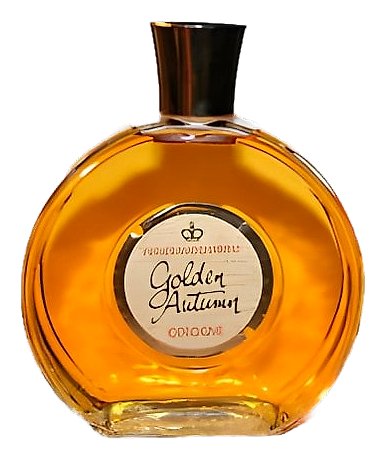
Golden Autumn arrived in 1959 from Prince Matchabelli, a house with a long track record in affordable American perfumery. Golden Autumn does what the best autumn fragrances manage: it bottles a specific sensory moment. Cold light. Dry leaves turning underfoot. The particular warmth of skin under a wool coat when the temperature drops just enough to make you pull your collar tighter. The composition leans into that Northeastern fall feeling, the part of the year when the air changes and your wardrobe follows. It's a scent built around atmosphere, around the visual and tactile details of October and November, around the shift from green to gold to rust. The aldehydes give it that crisp, almost frost-like opening. The mossy heart carries the forest floor into the midseason.
The composition leans on a classical structure: aldehydes up top to create that soapy, sparkling cold-air effect, then a mossy-woody heart anchored by oakmoss, and a warm amber-musk drydown that does the heavy lifting once the sparkle fades. That range suggests a composition built with care, with layers that reveal themselves in sequence rather than all at once. The carnation-rose-jasmine heart adds a red-flower richness under the moss, which is what gives Golden Autumn its particular warmth. It's not a pure forest-floor coldness, not the damp decay of late autumn leaves.
The evolution
The first five minutes are almost aggressive. Aldehydes hit like hairspray left out in October air, bright and sharp enough to make you blink. That intensity softens within ten minutes as the floral heart surfaces: red carnation, a thread of rose, jasmine tucked underneath, all sitting on a bed of oakmoss that arrives early and never really leaves. By the thirty-minute mark the aldehydes have receded and the moss has taken over, joined by woody notes and a warm amber that gives the composition its base. The drydown is where Golden Autumn lives longest. Amber, musk, and a slightly animal warmth stay close to skin for hours, releasing traces of the mossy accord in soft waves. On fabric, the woody base can linger into the next day. On skin, expect a full afternoon of presence that gradually retreats to a quiet, skin-warm finish by evening.
Cultural impact
Golden Autumn is the kind of fragrance that lives in memory more than in current collections. It was widely available for decades, the bottle sitting on vanities across North America through the 1960s and 1970s, until it quietly disappeared from most shelves. Today it survives almost entirely in the vintage market, where old bottles change hands among collectors and fans of mid-century aldehyde compositions seek out the real thing.