
The Story
Why it exists.
The beginning
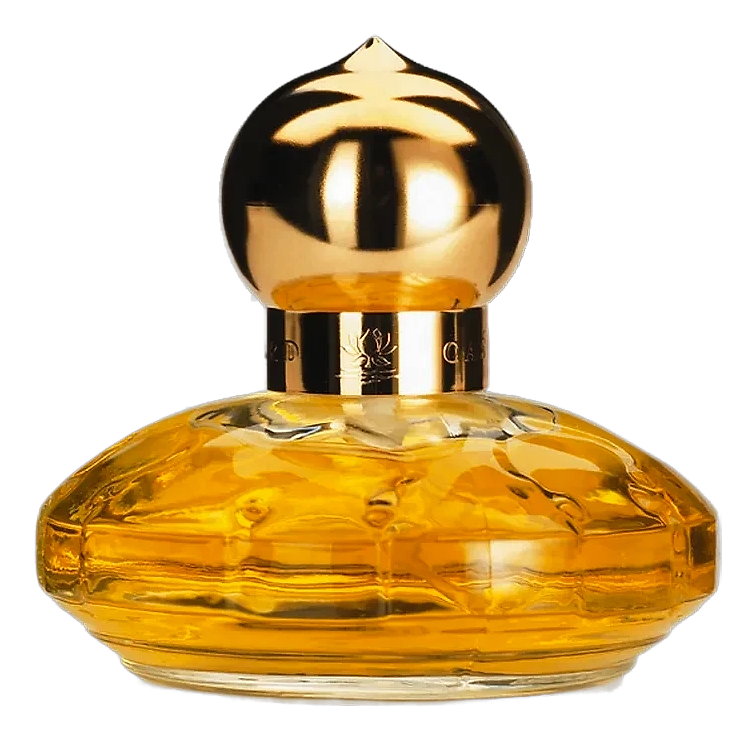
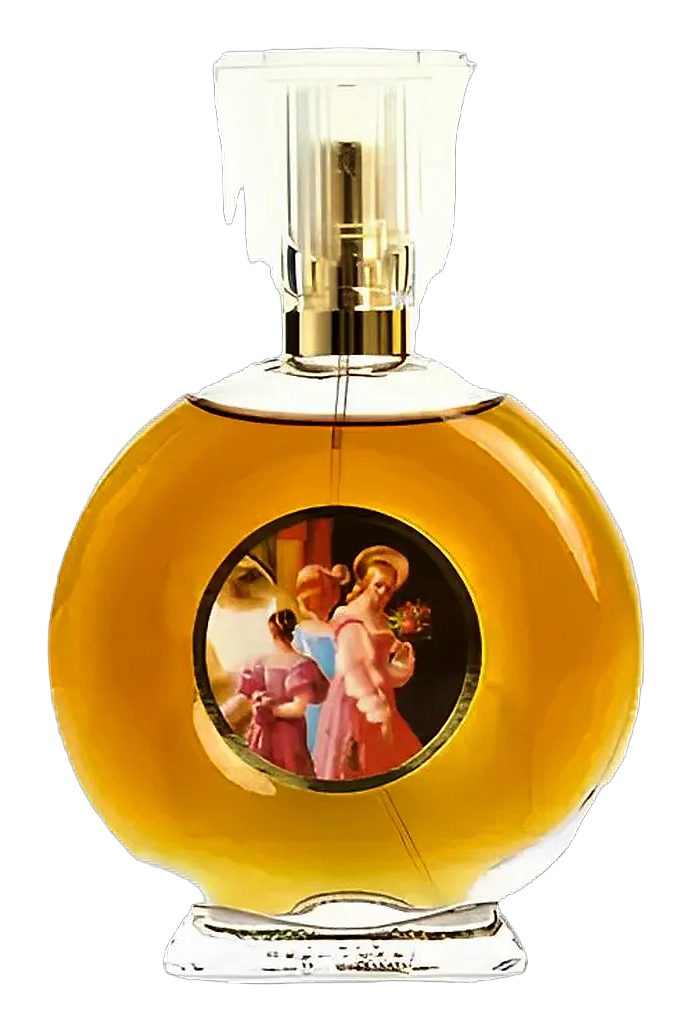
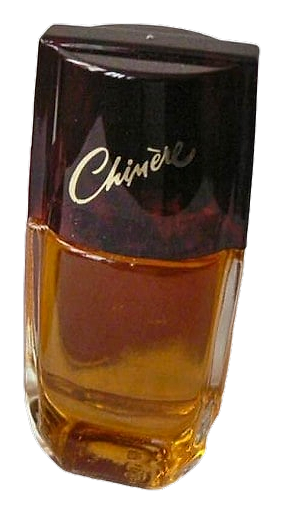
Prince Matchabelli built its name on accessible elegance, refinement without the velvet rope. By 1980, the house had spent decades proving that good taste wasn't exclusive. Chimère continued that mission with a signature twist: a fragrance named after a mythological creature, something impossible made real. The house let the name do the work. A chimère isn't meant to exist. Neither was a $10 chypre this good. But it did, and the Fifi Award for Woman's Fragrance of the Year, Broad Appeal, said so that same year. The brief was clear: make something beautiful enough to win, approachable enough to actually wear.
The structure is built on contrast that shouldn't work. Aldehydes open with a crisp, almost detergent-like brightness, the scent of clean linen, of something pristine. Beneath that, patchouli anchors everything in earth. Not polite green patchouli, either. Dark, animal, warm. The florals, rose, jasmine, gardenia, lily of the valley, don't compete with it. They orbit. The aldehydes make you trust the fragrance. The patchouli makes you remember it. That's the whole trick. The spice notes (likely cinnamon and cardamom given the era and structure) add a subtle warmth that sits between the bright top and the deep base, a bridge that keeps the whole composition from splitting apart.
The evolution
Aldehydes arrive first. Not aggressive, insistent. They sell the elegance, but they're also the tease. Forty minutes in, the florals start to show: impressionistic, soft, more suggestion than statement. The patchouli doesn't wait. It pushes through like something that refused to be buried. The florals don't disappear, they coexist, hovering above the earth instead of above the air. The spices add quiet heat beneath the petals. The drydown is where Chimère earns its name. Patchouli dominates now, voluptuous and faded at once. On skin, it lasts well past the point of thinking about it. On fabric, it lingers overnight, the kind of presence that greets you in the morning like a guest who overstayed on purpose.
Cultural impact
Chimère won the Fifi Award for Woman's Fragrance of the Year in Broad Appeal in 1980, the category's most democratic prize. That tells you who it was made for: not collectors, not experts, not the fragrance-obsessed. The person who wanted to smell good and maybe win something doing it. For those encountering chypre structure for the first time, this was the gateway. For those who wore it then, it summons something specific, the scent of a decade that dressed up but still wanted to be touched.