









Heritage
A house, in its own words
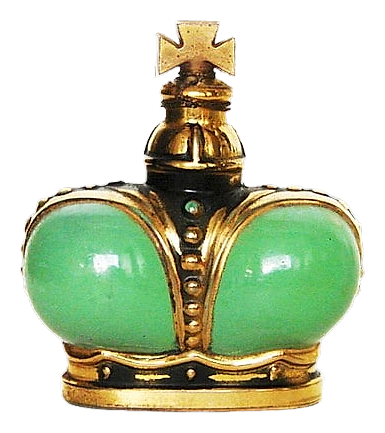
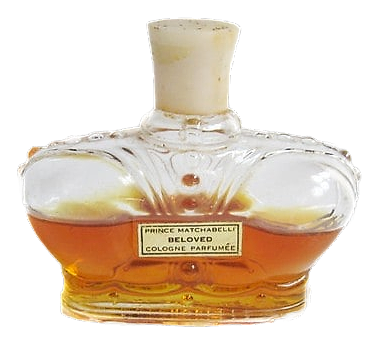
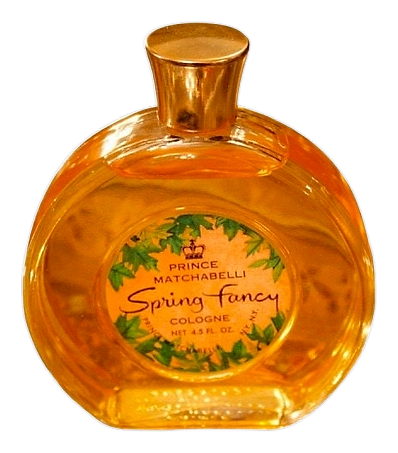
Georges V. Matchabelli arrived in the United States after the Russian Revolution, bringing with him a deep knowledge of Eastern European fragrance traditions. In 1926 he and Norina Gilli founded the Prince Matchabelli Perfume Company in Manhattan, borrowing $4,000 to rent a modest workshop. Their early business model centered on private blending: clients described a favorite memory or scent, and the couple created a one‑of‑a‑kind perfume for the individual. By the late 1920s the house introduced its first commercial fragrances, including Ave Maria, a floral‑spicy composition that reflected the couple’s Catholic heritage, and a light citrus blend called Potpourri that captured the optimism of the Roaring Twenties. The brand’s growth attracted the attention of entrepreneur Saul Ganz, who purchased the company in 1936 for $250,000. Ganz installed his son Paul H. Ganz as president, and the younger Ganz expanded distribution through department stores while preserving the original crown motif on every bottle. Under the Ganz leadership the house launched Georgian Carnation in 1937, a tribute to the founder’s homeland, and later added Vervé Mist of Spring (1960) and Prophecy (1962), fragrances that appealed to the post‑war consumer looking for fresh, modern aromas. In 1987 an Anglo‑Dutch conglomerate acquired Prince Matchabelli, integrating the brand into a larger portfolio of fragrance houses. The new owners invested in modern production facilities while keeping the original formulas intact. Throughout the 1990s and 2000s the house refreshed its line with contemporary scents such as Unruly (1997) and Cachet Noir (1983), each released in the signature crown‑capped bottle. Today Prince Matchabelli remains a family‑origin story that has survived nearly a century of market shifts, retaining the personal touch that defined its earliest days. Prince Matchabelli approaches perfumery as a dialogue between memory and material. The founders believed that a scent should echo a specific moment, so the house encourages customers to think of a place, a feeling, or a loved one when selecting a fragrance. This philosophy translates into a portfolio that balances classic structures with subtle modern twists. The brand values accessibility; it aims to offer a sense of refinement without demanding a collector’s budget. Sustainability entered the conversation in the 2010s, prompting the house to prioritize responsibly sourced raw materials and to reduce packaging waste where possible. By keeping the creative process transparent and inviting, Prince Matchabelli positions itself as a bridge between the intimate craft of early 20th‑century ateliers and the expectations of today’s fragrance enthusiast.